


On a fateful day in Cape Town, South Africa, Archbishop Desmond Tutu, a stalwart advocate for human rights, was arrested alongside 100 fellow clergymen for participating in a five-day anti-apartheid demonstration. This daring act of defiance would go on to become a watershed moment in the struggle against the oppressive regime.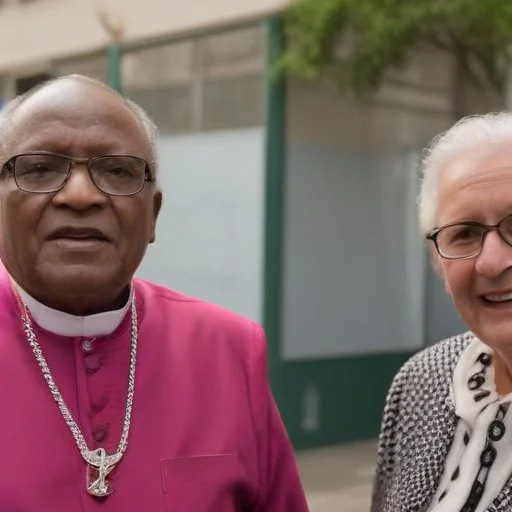
In the late 1970s, South Africa was mired in the depths of apartheid, a system of institutionalized racial segregation and discrimination. The apartheid regime, led by the ruling National Party, had established a draconian set of laws and regulations aimed at maintaining white dominance over the country's majority black population.
Drawing inspiration from Mahatma Gandhi's philosophy of non-violent resistance, Archbishop Tutu emerged as a key figure in the anti-apartheid movement, leveraging his moral authority to rally opposition against the regime.
From August 29 to September 2, 1982, Archbishop Tutu, along with over 100 clergymen, embarked on a peaceful demonstration against apartheid in Cape Town. The protest, which drew support from diverse faith communities, aimed to highlight the injustices and brutality of the apartheid regime.
The clergy's collective action was a testament to the power of faith-based activism, as they collectively stood against the oppressive system, refusing to be silenced or intimidated.
On the fifth day of the protest, authorities cracked down on the demonstration, arresting Archbishop Tutu and his fellow clergymen. The group was detained at Pollsmoor Prison, where they faced harsh conditions and treatment.
The arrests sparked widespread international condemnation, with human rights organizations and religious leaders from around the world denouncing the regime's actions.
The arrests of Archbishop Tutu and the clergymen galvanized international pressure on the apartheid regime, culminating in increased sanctions and diplomatic isolation.
The incident also elevated Archbishop Tutu's profile as a global human rights leader, paving the way for his eventual receipt of the Nobel Peace Prize in 1984.
The anti-apartheid movement, led in part by Archbishop Tutu, inspired a new wave of social and cultural activism in South Africa. The demonstration and subsequent arrests sparked a surge in creative expression, as artists, musicians, and writers used their work to convey messages of defiance and hope.
"If you are neutral in situations of injustice, you have chosen the side of the oppressor." - Archbishop Desmond Tutu
This famous quote, often attributed to Archbishop Tutu, encapsulates the spirit of resistance and moral courage that defined his leadership during the anti-apartheid era.
In his memoir, The Rainbow People of God, Archbishop Tutu recalled the events leading up to his arrest, describing the sense of solidarity and purpose that united the clergymen during the protest.
These personal accounts offer a unique window into the experiences of those who risked everything to challenge the apartheid regime.
The arrests of Archbishop Tutu and the clergymen marked a turning point in the anti-apartheid movement, setting the stage for increased international pressure and eventual reforms.
The incident also foreshadowed the eventual collapse of the apartheid regime, as the world began to turn its attention to the injustices perpetrated by the South African government.
In recognition of his tireless advocacy for human rights and racial equality, Archbishop Tutu was awarded the Nobel Peace Prize in 1984.
This prestigious honor solidified his status as a global symbol of moral leadership and courage in the face of oppression.
Archbishop Tutu's work during the anti-apartheid era inspired a new generation of social justice advocates and human rights defenders.
His leadership and activism have had a lasting impact on education, as his legacy continues to inspire curricula and pedagogical approaches focused on social justice and human rights.
Historiographical Perspectives
Historians have long debated the impact of the anti-apartheid movement on the eventual collapse of the apartheid regime. While some argue that internal opposition was the primary driver of change, others contend that international pressure, sparked by incidents like Archbishop Tutu's arrest, played a crucial role. This nuanced understanding of the historical context highlights the complexities of the struggle against apartheid.
Furthermore, the event has been framed within the broader narrative of non-violent resistance, drawing parallels with the Civil Rights Movement in the United States. This comparative approach has shed light on the transnational nature of social justice movements and the power of moral leadership in challenging oppressive regimes.

Cultural Impact Studies
The anti-apartheid movement, led in part by Archbishop Tutu, had a profound impact on South African culture. The era saw a surge in creative expression, as artists, musicians, and writers used their work to convey messages of defiance and hope. This cultural renaissance helped to galvanize opposition to the apartheid regime and provided a platform for marginalized voices to be heard.
The iconic song "Something Inside So Strong," written by Labi Siffre in response to Archbishop Tutu's arrest, became an anthem for the anti-apartheid movement, symbolizing the power of cultural expression in the face of oppression.
Political Analyses
The apartheid regime's response to the clergy's protest, including the arrests, marked a turning point in the government's approach to dissent. The event highlighted the regime's increasing reliance on repression and violence to maintain control, which ultimately contributed to its international isolation and eventual collapse.
In the aftermath of the arrests, the regime faced intense international pressure, including condemnation from the United Nations and economic sanctions. This diplomatic fallout eroded the apartheid government's legitimacy and paved the way for future reforms.

Character Profiles
Beyond his role as a leading figure in the anti-apartheid movement, Archbishop Tutu's personal characteristics and traits have been instrumental in shaping his legacy. His unwavering commitment to non-violent resistance, rooted in his Christian faith, has inspired generations of social justice advocates.
Tutu's leadership style, marked by his emphasis on humility, compassion, and inclusivity, has been credited with fostering a sense of unity among diverse anti-apartheid groups, ultimately contributing to the movement's success.
Geopolitical Context
The apartheid regime's brutal suppression of dissent, exemplified by the arrests of Archbishop Tutu and the clergymen, was rooted in its geopolitical context. The Cold War era created an environment in which Western powers, fearful of communist expansion, were hesitant to condemn the apartheid regime's human rights abuses.
However, the international outcry surrounding the arrests helped shift the global discourse, leading to increased pressure on Western governments to take a firmer stance against apartheid. This geopolitical shift ultimately contributed to the regime's isolation and collapse.