


The Cassinga Massacre, a brutal assault on a SWAPO (South West Africa Peoples Organisation) base in southern Angola, will forever be etched in the annals of history as one of the most devastating attacks on civilian populations. On that fateful day, May 4, 1978, the South African Defence Force (SADF) launched a surprise air raid, catching the Namibian independence fighters off guard and leaving around 600 people dead, mostly innocent civilians, including women and children.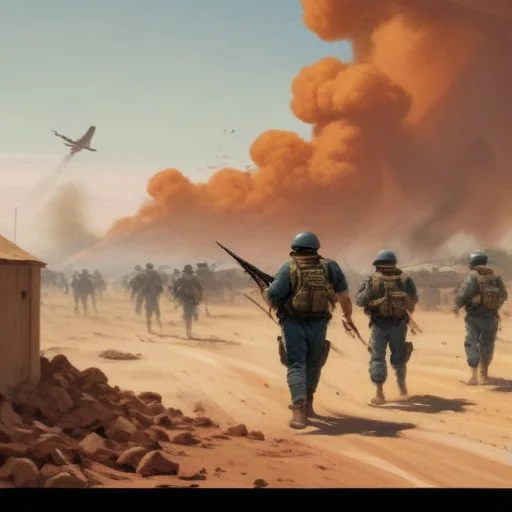
The Cassinga Massacre was a pivotal event in the Namibian War of Independence, a conflict that began in the 1960s as the people of Namibia sought to break free from South African rule. SWAPO, led by Sam Nujoma, was at the forefront of the liberation movement, fighting for independence and self-determination. The organisation had established bases in Angola, a country that had only recently gained its own independence from Portugal, and was receiving support from the Angolan government.
The SADF, determined to crush the Namibian independence movement, launched a surprise air raid on the Cassinga base, using bombers and helicopters to attack the unsuspecting population. The assault was swift and merciless, with the SADF targeting not only SWAPO fighters but also civilians, including women and children. The attack was carried out with reckless disregard for human life, leaving a trail of destruction and death in its wake.
The Cassinga Massacre was a turning point in the Namibian War of Independence, galvanising international support for the liberation movement and increasing pressure on the South African government to negotiate a peaceful resolution. The attack also led to a significant escalation of the conflict, with both sides suffering heavy losses in the years that followed.
The Cassinga Massacre had a profound impact on the cultural and social fabric of Namibia, leaving deep scars that would take years to heal. The attack was a stark reminder of the brutality and ruthlessness of the apartheid regime, and it strengthened the resolve of the Namibian people to fight for their freedom and independence.
"The Cassinga Massacre was a brutal and cowardly attack on innocent civilians, and it will be remembered as one of the darkest days in the history of our struggle for independence." - Sam Nujoma
One survivor of the Cassinga Massacre, a young girl named Julia, recounted the horror of that day: "I was playing outside with my friends when the planes came. We didn't know what was happening at first, but then the bombs started falling. I saw people running, screaming, and dying all around me. I was so scared, I didn't know what to do."
The Cassinga Massacre played a significant role in shaping the course of events in southern Africa, galvanising international support for the anti-apartheid movement and paving the way for Namibia's eventual independence. The attack also led to a reappraisal of the South African government's policies, setting in motion a chain of events that would ultimately lead to the dismantling of apartheid.
The Cassinga Massacre bears striking similarities to other brutal attacks on civilian populations, such as the Sharpeville Massacre in 1960 and the Soweto Uprising in 1976. These events, all perpetrated by the apartheid regime, share a common thread of cruelty and disregard for human life.
The Cassinga Massacre serves as a powerful reminder of the human spirit's capacity for resilience and courage in the face of adversity. The story of the Namibian people's struggle for independence, despite overwhelming odds, is a testament to the power of determination and collective action.
The Cassinga Massacre will forever be remembered as a brutal and devastating attack on innocent civilians. Today, the site of the massacre is a memorial to the victims, a poignant reminder of the human cost of conflict and the importance of striving for peace and justice.
Sam Nujoma, the leader of SWAPO, was a key figure in the Namibian War of Independence. Born in 1929, Nujoma grew up in a era of colonialism and apartheid. He was inspired by the ideals of freedom and self-determination, and at a young age, he became involved in the liberation movement.
Nujoma's leadership played a crucial role in the struggle against South African rule. He was a strong advocate for international intervention and condemnations of the apartheid regime. Through his leadership, SWAPO gained international recognition and support, paving the way for Namibia's eventual independence.
The Cassinga Massacre shares striking similarities with other brutal attacks on civilian populations, such as the Sharpeville Massacre and the Soweto Uprising. These events, all perpetrated by the apartheid regime, demonstrate a pattern of disregard for human life and a willingness to use violence to maintain power.
However, the Cassinga Massacre stands out for its sheer scale and brutality. The attack was carried out with military precision, with bombers and helicopters targeting not only SWAPO fighters but also innocent civilians. The massacre was a turning point in the conflict, galvanizing international support for the liberation movement and increasing pressure on the South African government to negotiate a peaceful resolution.
The Cassinga Massacre had a profound impact on the cultural and social fabric of Namibia. The attack was a stark reminder of the brutality and ruthlessness of the apartheid regime, and it strengthened the resolve of the Namibian people to fight for their freedom and independence.
The massacre also had a profound impact on the arts and literature of Namibia. The event inspired numerous songs, poems, and artworks, which served as a form of resistance and defiance in the face of oppression. Today, the Cassinga Massacre is remembered as a symbol of the Namibian people's struggle for freedom and self-determination.
The Cassinga Massacre took place in a era of heightened Cold War tensions and rivalry between the United States and the Soviet Union. The conflict in Namibia was seen as a proxy war between the two superpowers, with the United States supporting the apartheid regime and the Soviet Union backing the liberation movement.
The massacre was also influenced by the regional politics of southern Africa. The Angolan government, which had recently gained independence from Portugal, was seen as a key ally of the Namibian liberation movement. The SADF's attack on the SWAPO base in Angola was seen as a violation of Angolan sovereignty, and it led to increased tensions between the two countries.
The Cassinga Massacre is an important event in African and world history, and it offers numerous opportunities for teaching and learning. The event can be used to explore themes such as colonialism, apartheid, and resistance, as well as the human cost of conflict and the importance of human rights.
Teachers can use a variety of approaches to teach the Cassinga Massacre, including primary source analysis, oral histories, and multimedia presentations. By incorporating multiple perspectives and approaches, teachers can help students gain a deeper understanding of this complex and multifaceted event.