


The state funeral of John F. Kennedy, the 35th President of the United States, is an event etched in the collective memory of Americans and the world. It was a somber ceremony that marked the end of an era, as the nation came together to bid farewell to a leader who had captivated the hearts of many.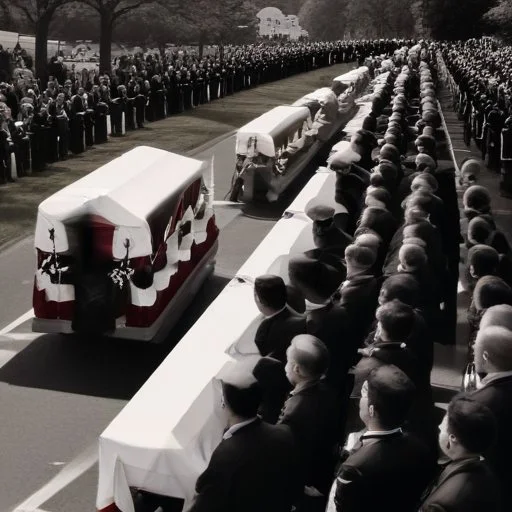
In the aftermath of Kennedy's assassination on November 22, 1963, the country was plunged into a state of shock and grief. As the nation struggled to come to terms with the loss of its leader, the spotlight turned to the funeral arrangements. The ceremony would be a reflection of Kennedy's life and legacy, and would involve some of the most powerful and influential figures of the time.
The Requiem Mass at the Cathedral of St. Matthew the Apostle was a poignant and solemn ceremony, attended by over 1,000 mourners. The service was led by Cardinal Cushing, who delivered a heartfelt eulogy that captured the essence of Kennedy's life and legacy. The cathedral's majestic interior, adorned with flags and flowers, provided a fitting backdrop for the occasion.
After the Requiem Mass, the funeral procession made its way to Arlington National Cemetery, where Kennedy was laid to rest. The gravesite, surrounded by the rolling hills and verdant trees of the cemetery, was chosen by Jacqueline Kennedy herself. The ceremony was marked by a 21-gun salute, a bugler playing "Taps," and the presentation of the American flag to the First Lady.
The state funeral of John F. Kennedy was a watershed moment in American history, marking the end of an era and the beginning of a new chapter. The ceremony brought the nation together, even if only briefly, and served as a reminder of the power of unity and grief. It also set a new standard for state funerals, with its emphasis on pomp, ceremony, and respect for the fallen leader.
"Let every nation know, whether it wishes us well or ill, that we shall pay any price, bear any burden, meet any hardship, support any friend, oppose any foe, to assure the survival and the success of liberty." - John F. Kennedy
As the nation bid farewell to its beloved leader, the words of John F. Kennedy himself served as a poignant reminder of his legacy and the ideals he embodied. The state funeral was a fitting tribute to a man who had inspired a generation, and would continue to do so for generations to come.
The planning and execution of the state funeral were a remarkable display of precision and coordination. The process involved a meticulous attention to detail, with every aspect of the ceremony carefully choreographed to ensure a dignified farewell to the fallen president. The Kennedy family, led by Jacqueline, played a crucial role in shaping the funeral arrangements, which were heavily influenced by Catholic tradition and ritual.
The Requiem Mass, held at the Cathedral of St. Matthew the Apostle, was a poignant and solemn ceremony that reflected the gravity of the occasion. The eulogy delivered by Cardinal Cushing was a masterful tribute to Kennedy's life and legacy, and the music, drawn from the rich traditions of Catholic liturgy, added to the emotional intensity of the occasion.
The funeral procession, which wound its way from the cathedral to Arlington National Cemetery, was a spectacle that drew in millions of Americans, many of whom lined the streets to pay their respects to the fallen president. The procession was marked by a sense of reverence and solemnity, with the sounds of muffled drums and the rustle of marching feet providing a haunting accompaniment to the occasion.

Jacqueline Kennedy's role in planning the state funeral was a testament to her strength and character in the face of unimaginable grief. Her attention to detail, from the selection of the coffin to the choice of music and flowers, ensured that the ceremony was a fitting tribute to her husband's life and legacy.
Robert Kennedy's involvement in the funeral arrangements was marked by a sense of duty and loyalty to his brother's memory. As Attorney General, he played a key role in coordinating the logistical and security aspects of the ceremony, working closely with the military and law enforcement agencies to ensure a seamless and dignified farewell.
Cardinal Richard Cushing's eulogy at the Requiem Mass was a heartfelt and eloquent tribute to Kennedy's life and legacy. As a close friend and confidant of the Kennedy family, he brought a deep understanding of the president's values and ideals to his words, which resonated deeply with the mourners gathered at the cathedral.
The state funeral of John F. Kennedy marked a watershed moment in American cultural history, capturing the nation's attention and imagination in a way that few events have before or since.
The funeral procession, with its somber majesty and precision, was a spectacle that drew in millions of Americans, many of whom were glued to their television sets as the ceremony unfolded. The event marked a moment of collective grief and introspection, as the nation came together to bid farewell to a leader who had embodied the hopes and aspirations of a generation.
The cultural impact of the state funeral extended far beyond the immediate aftermath of the event, influencing the way Americans think about death, grief, and remembrance. The ceremony's emphasis on dignity, respect, and pomp has set a new standard for state funerals, and its influence can be seen in the way we mourn and remember our leaders to this day.
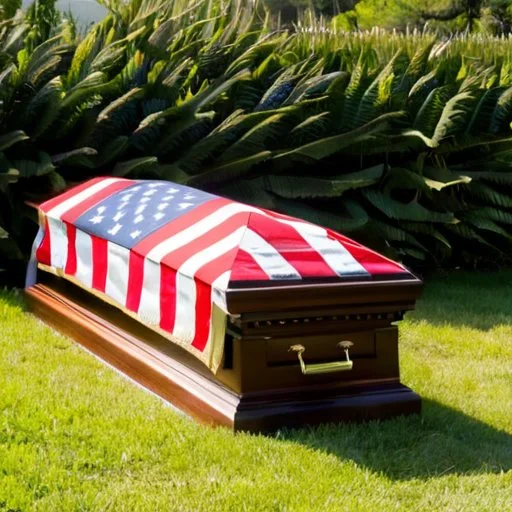
The state funeral of John F. Kennedy was a masterclass in political choreography, with every aspect of the ceremony carefully calibrated to reinforce the ideals and values of the fallen president.
The ceremony's emphasis on Catholic ritual and tradition was a deliberate choice, reflecting Kennedy's own faith and the cultural heritage of the Irish-American community. The involvement of Catholic dignitaries and clergy, including Cardinal Cushing, added to the sense of authenticity and reverence that pervaded the occasion.
The funeral procession, with its slow march through the streets of Washington, D.C., was a powerful symbol of the transfer of power and the continuity of government. The presence of foreign leaders and dignitaries, including Charles de Gaulle and Harold Wilson, added to the sense of international solidarity and respect that marked the occasion.
The state funeral of John F. Kennedy took place against a backdrop of global uncertainty and instability, with the Cold War casting a long shadow over international relations.
The ceremony was closely watched by world leaders, who saw it as an opportunity to pay their respects to a fallen leader and to reinforce their own nations' ties with the United States. The presence of Soviet officials, including Ambassador Anatoly Dobrynin, was a notable gesture of goodwill and cooperation in the midst of a fraught and competitive global landscape.
The funeral procession, with its slow march through the streets of Washington, D.C., was a powerful symbol of American strength and resilience in the face of adversity. The event marked a moment of international solidarity and respect, as nations from around the world came together to mourn the loss of a leader who had embodied the ideals of democracy and freedom.