


In his first State of the Union address, President George W. Bush took a bold stance, introducing a phrase that would echo through the annals of history: the Axis of Evil. This ominous label was bestowed upon three nations – Iraq, Iran, and North Korea – accused of sponsoring terror and threatening global stability.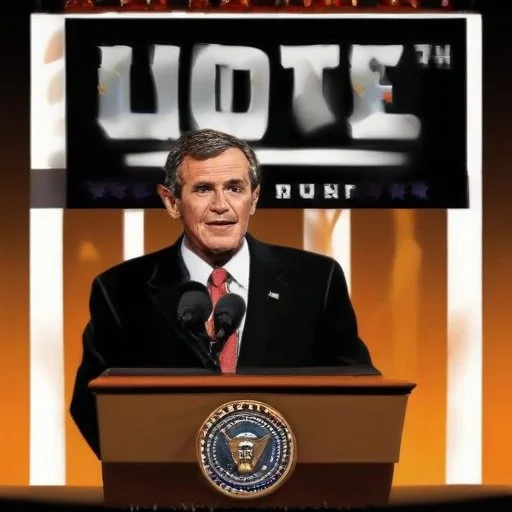
The year was 2002, and the world was still reeling from the devastating 9/11 attacks. The United States was grappling with the specter of terrorism, and President Bush was determined to take a firm stance against nations that supported or enabled such acts. The Axis of Evil moniker was meant to signal a new era of American foreign policy, one that would prioritize security and vigilance.
The three nations that comprised the Axis of Evil were:
The months and years that followed the Axis of Evil speech were marked by increased tensions and confrontations between the United States and the three named nations:
The Axis of Evil label had far-reaching consequences, influencing American foreign policy, global diplomacy, and the trajectory of international relations:
The Axis of Evil label seeped into popular culture, with the phrase becoming a symbol of American unilateralism and hawkishness:
The Axis of Evil label was met with widespread controversy, with many arguing it was an overly simplistic and provocative characterization of complex nations:
The Axis of Evil label continues to influence American foreign policy and global relations, serving as a cautionary tale about the dangers of inflammatory rhetoric:
In the years that followed, President Bush would reflect on the Axis of Evil speech, acknowledging its impact on his presidency and the course of American history:
"I knew it would be a provocative phrase, but I believed it was necessary to confront the evil that threatened our nation and our way of life."
– George W. Bush, Decision Points, 2010
Did you know:
The Axis of Evil label may have been provocative, but it marked a turning point in American foreign policy, underscoring the country's commitment to confronting terror and promoting global stability. As we reflect on this pivotal moment in history, we are reminded of the power of words to shape our perceptions and influence our actions.
David Frum, a Canadian-American journalist and former speechwriter for President George W. Bush, is credited with coining the phrase "Axis of Evil." Frum, a vocal critic of Islamism and a proponent of American unilateralism, was instrumental in shaping the Bush administration's foreign policy rhetoric.
Frum's work on the Axis of Evil speech was a culmination of his long-standing advocacy for a more assertive American foreign policy. His influence can be seen in the speech's emphasis on American exceptionalism and the need for decisive action against rogue states.

The invasion of Iraq in 2003 was not the beginning of the United States' involvement in the region. In fact, the US had been involved in Iraq since the 1950s, with the CIA supporting various coups and regime changes.
The 1990s saw a significant escalation of tensions, with the Gulf War marking a turning point in US-Iraq relations. The subsequent sanctions and no-fly zones imposed on Iraq only added to the Country's isolation and economic hardship.
The Axis of Evil label and the subsequent military campaigns in Afghanistan and Iraq had a significant impact on the global economy. The War on Terror, estimated to have cost over $6 trillion, has been a major burden on the US economy.
The instability in the region also led to a spike in oil prices, further exacerbating the economic downturn. The sanctions imposed on Iran and North Korea have also had significant economic consequences, with both countries facing severe economic hardship.

The Axis of Evil label has had a lasting impact on popular culture, with the phrase becoming a symbol of American unilateralism and hawkishness. From Eminem's lyrics to television shows and films, the phrase has been referenced and parodied countless times.
The phrase has also been used in academic and literary circles, with many arguing it is a simplistic and inaccurate characterization of complex geopolitical issues.
The Axis of Evil speech marked a significant shift in American foreign policy, with a greater emphasis placed on unilateral action and preemption. The speech also marked a turning point in the Bush administration's relations with its allies, particularly in Europe.
The controversy surrounding the speech and the subsequent military campaigns has led to a reevaluation of the role of the United States in global affairs, with many arguing for a more multilateral approach to international relations.