


The morning of September 29, 2008, will forever be etched in the memories of investors, economists, and policymakers as the day the stock market came crashing down. In a stunning turn of events, the United States House of Representatives rejected the Emergency Economic Stabilization Act (EESA), sending the Dow Jones Industrial Average plummeting a record 778 points, wiping out a staggering 1.2 trillion dollars in value.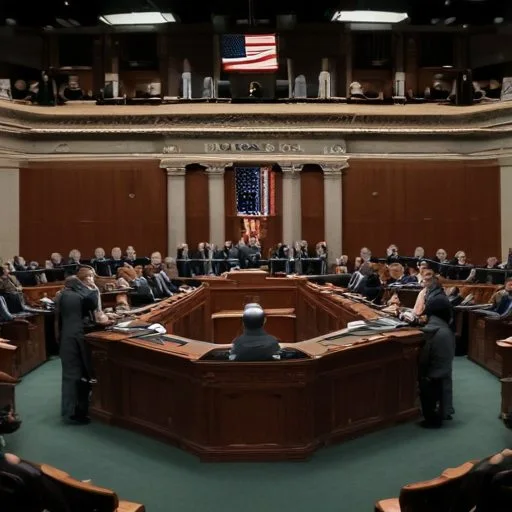
The failure of the EESA vote sparked a wave of uncertainty, casting a dark shadow over the entire financial system. As lawmakers scrambled to regroup and find a solution, economists warned of catastrophic consequences, painting a dire picture of recession, unemployment, and widespread economic pain.
In the weeks leading up to the vote, the United States was grappling with the effects of a severe credit crisis. The collapse of Lehman Brothers, a Wall Street giant, had sent shockwaves through the global economy, and policymakers were scrambling to find a solution. Treasury Secretary Henry Paulson and Federal Reserve Chairman Ben Bernanke had crafted the EESA, a 700 billion dollar bailout package designed to stabilize the financial system.
Here's a brief timeline of the events leading up to the vote and its aftermath:
The failure of the EESA vote marked a devastating turning point in the Great Recession. The subsequent passage of the revised bailout package did little to stem the tide of economic uncertainty, and the United States was plunged into the worst recession since the Great Depression.
The failure of the EESA vote had far-reaching cultural and social impacts. The event marked a turning point in the public's perception of the financial system, with many questioning the actions of policymakers and the role of Wall Street in the crisis.
"We're not going to let the economy fail, but we're going to let it get bad enough to make people realize that we need to take action." - Henry Paulson, Treasury Secretary
"The worst is yet to come. This is not a normal recession. This is a crisis." - Nouriel Roubini, Economist
The week leading up to the EESA vote was marked by intense negotiations between lawmakers, policymakers, and industry leaders. Behind-the-scenes discussions revealed deep-seated concerns about the bailout package, with many lawmakers feeling that it did not address the root causes of the crisis. Meanwhile, Wall Street executives were lobbying fiercely for a deal, warning of catastrophic consequences if the bill failed to pass.
In the days preceding the vote, protests erupted outside the Capitol Building, with activists and ordinary citizens expressing outrage over the perceived bailout of Wall Street at the expense of Main Street. The atmosphere was tense, with lawmakers caught in the middle of a brewing storm.

Nouriel Roubini, a professor of economics at New York University, was one of the earliest and most vocal critics of the financial system. Dubbed "Dr. Doom" by the media, Roubini had been predicting a housing bubble burst and subsequent financial crisis since 2006. His warnings fell on deaf ears, but he continued to sound the alarm, urging policymakers to take drastic action to prevent a complete meltdown of the system.
Roubini's contrarian views and Cassandra-like warnings earned him both admiration and scorn. While some saw him as a visionary, others dismissed him as a perpetual doom-monger. However, his warnings proved prophetic, and his reputation as a prescient economist was cemented in the aftermath of the crisis.
The failure of the EESA vote marked a pivotal moment in American cultural history. The event sparked widespread outrage and disillusionment, with many Americans questioning the very fabric of the financial system. The subsequent occupation of Zuccotti Park in New York City, which became the epicenter of the Occupy Wall Street movement, was a direct response to the perceived injustice of the bailout.
The crisis also led to a renewed focus on economic inequality and the widening wealth gap in the United States. The phrase "We are the 99%" became a rallying cry for the movement, symbolizing the struggle against an economic system perceived as rigged against the majority of Americans.
The EESA vote's rejection led to an immediate and drastic impact on the global economy. Stock markets around the world plummeted, wiping out trillions of dollars in value. The credit crisis deepened, making it increasingly difficult for businesses and individuals to access capital. The unemployment rate began to climb, reaching historic highs in the months that followed.
The failure of the EESA vote also led to a significant increase in foreclosures, as homeowners struggled to make mortgage payments. The automotive industry, heavily reliant on consumer credit, was particularly hard hit, with General Motors and Chrysler teetering on the brink of bankruptcy.
The EESA vote's failure was a devastating blow to the Bush administration, which had staked its reputation on the passage of the bailout package. The White House was caught off guard by the ferocity of opposition from both sides of the aisle, and the vote's defeat was seen as a significant embarrassment.
The crisis also had significant implications for the upcoming presidential election, with both Barack Obama and John McCain forced to respond to the crisis in their campaigns. The crisis became a central issue in the election, with Obama ultimately victory being seen as a repudiation of the Bush administration's handling of the economy.