


On a fateful autumn evening in 1998, Swissair Flight 111 etched its name in the darkest chapters of aviation history, leaving an indelible mark on the lives of those who lost loved ones and the world at large. This ill-fated journey, which claimed the lives of all 229 people on board, would go down as one of the deadliest air disasters in recent history, a grim reminder of the unforgiving nature of the skies.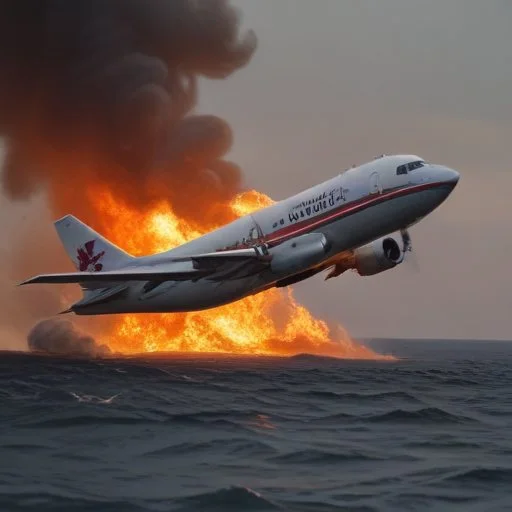
The McDonnell Douglas MD-11 aircraft, registered as HB-IWF, took off from John F. Kennedy International Airport in New York, bound for Geneva, Switzerland, on September 2, 1998. The flight, which had begun like any other, would soon turn into a catastrophic sequence of events that would shake the very foundations of the aviation industry.
The news of the tragedy sent shockwaves around the world, leaving families, friends, and entire communities reeling in grief. The recovery efforts were a logistical nightmare, with responders facing treacherous sea conditions and rugged terrain to retrieve the remains of the victims.
The subsequent investigation, led by the Transportation Safety Board of Canada, revealed a combination of factors that contributed to the disaster, including inadequate safety protocols, human error, and design flaws. The incident led to significant changes in aviation safety regulations, ensuring that such a tragedy would never occur again.
A poignant memorial, designed by renowned artist Reinhard Klessner, stands at Peggys Cove, a testament to the lives lost that fateful night. The victims, from 14 different countries, are remembered through personal memorials, scholarships, and charitable initiatives, keeping their memory alive.
The Swissair Flight 111 disaster serves as a poignant reminder of the importance of safety, accountability, and human fallibility. As the aviation industry continues to push the boundaries of innovation, this tragic event remains an important lesson in humility, a stark reminder of the unforgiving power of the skies.
The history of Swissair Flight 111 is intertwined with the rise of commercial aviation in the post-war era. In the 1950s and 1960s, Swissair, Switzerland's national airline, expanded its routes and fleet to meet the growing demand for air travel. The airline's reputation for safety and reliability earned it the nickname "The Flying Bank."
In the 1980s and 1990s, Swissair continued to modernize its fleet, introducing wide-body aircraft like the McDonnell Douglas MD-11. The MD-11, with its advanced avionics and fuel-efficient engines, was considered one of the safest and most reliable aircraft of its time. However, as the airline industry grew, so did concerns about safety and the risks of complacency.
Complacency and Regulatory OversightIn the years leading up to the Swissair Flight 111 disaster, there were warning signs of complacency and regulatory oversight failures. In 1997, the Federal Aviation Administration (FAA) had identified several safety concerns with the MD-11, including issues with its electrical system and fuel pumps. However, these concerns were not adequately addressed, and the aircraft was allowed to continue flying.

Captain Urs Zimmermann, a seasoned pilot with over 10,000 hours of flying experience, was at the controls of Swissair Flight 111 on that fateful night. Born in 1944 in Switzerland, Zimmermann joined Swissair in 1969 and worked his way up the ranks to become a captain. He was known for his calm and professional demeanor, and his extensive experience flying the MD-11.
First Officer Stephan Loew, born in 1964, was Zimmermann's co-pilot on Flight 111. Loew had joined Swissair in 1991 and had over 3,000 hours of flying experience. He was well-respected by his colleagues for his attention to detail and his ability to remain calm under pressure.
The Human FactorIn the aftermath of the disaster, investigators would point to a combination of human error and inadequate safety protocols as contributing factors. While Captain Zimmermann and First Officer Loew were experienced pilots, they were not immune to the limitations of human perception and judgment.
The Swissair Flight 111 disaster shares similarities with other aviation accidents, highlighting the importance of learning from past mistakes. One notable example is the 1988 crash of Aloha Airlines Flight 243, which also involved an MD-11 aircraft.
In both cases, a combination of factors contributed to the disaster, including inadequate safety protocols, design flaws, and human error. The similarities between the two accidents underscore the need for constant vigilance and improvement in aviation safety.
Comparison with Other DisastersOther notable aviation disasters, such as the 1996 crash of ValuJet Flight 592 and the 1999 crash of EgyptAir Flight 990, also share common threads with Swissair Flight 111. In each case, a complex interplay of factors led to the tragic outcome, highlighting the importance of a comprehensive approach to aviation safety.

The Swissair Flight 111 disaster had a profound impact on popular culture, influencing the way people thought about air travel and safety. In the years following the disaster, numerous books, documentaries, and films were produced, ensuring that the lessons learned from the tragedy were not forgotten.
In addition to its impact on popular culture, the disaster also influenced the way airlines and regulatory agencies approached safety. The incident led to a renewed focus on safety protocols, and airlines began to prioritize passenger safety above all else.
The Cultural LegacyToday, the Swissair Flight 111 disaster is remembered as a turning point in aviation history, a tragedy that led to significant improvements in safety protocols and regulations. The incident serves as a poignant reminder of the importance of humility and accountability in the face of tragedy.
The economic impact of the Swissair Flight 111 disaster was significant, with estimates suggesting that the incident cost the airline industry over $1 billion in damages and lost revenue.
In addition to the immediate financial losses, the disaster also had long-term implications for the airline industry, leading to increased safety protocols and regulations that added to operating costs.
Economic ConsequencesThe Swissair Flight 111 disaster also had far-reaching economic consequences for the families of the victims, who were left to pick up the pieces and rebuild their lives. In the aftermath of the tragedy, many families faced significant financial burdens, including medical expenses, funeral costs, and lost income.