


On a crisp winter morning in December 1977, United Airlines Flight 2860, a DC-8 cargo plane, met its tragic end in a field near Kaysville, Utah, claiming the lives of all three crew members on board. This devastating crash would go on to become one of the most significant aviation accidents in American history, leaving behind a trail of questions, sorrow, and a lasting impact on the aviation industry.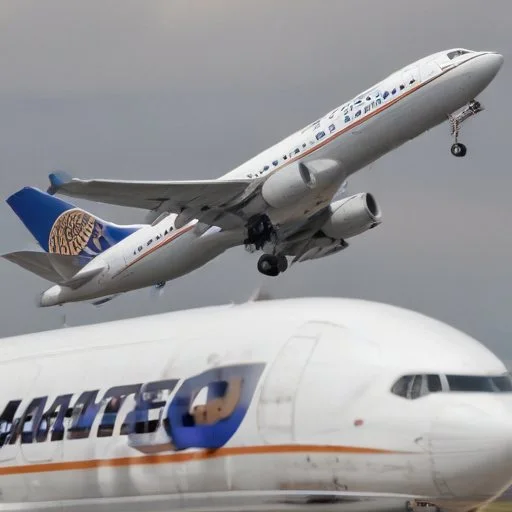
The ill-fated flight took off from San Francisco International Airport, bound for Chicago's O'Hare International Airport, with a scheduled stop at Salt Lake City International Airport. As the plane began its descent into Utah skies, something went catastrophically wrong, and the aircraft plummeted to the ground, leaving a trail of destruction in its wake.
The National Transportation Safety Board (NTSB) launched an investigation into the crash, which revealed a combination of human error and technical malfunctions as the primary causes. The crew's failure to properly configure the plane's flaps and the plane's faulty thrust reverser system were identified as the main contributors to the tragic accident.
The crash of United Airlines Flight 2860 led to significant changes in aviation safety protocols, including the implementation of more stringent pilot training programs and the development of improved safety procedures. The accident also highlighted the importance of effective communication among crew members and the need for adequate maintenance of aircraft systems.
In memory of the three brave crew members who lost their lives, a memorial plaque was erected near the crash site in Kaysville, Utah. The plaque serves as a poignant reminder of the sacrifices made by those who work in the aviation industry and the importance of continually striving for safety and excellence.
The crash of United Airlines Flight 2860 serves as a powerful reminder of the importance of vigilance, attention to detail, and effective communication in the aviation industry. As we reflect on this tragic event, we are reminded of the critical role that safety protocols and proper training play in preventing such accidents from occurring in the future.
As we remember the lives lost in the crash of United Airlines Flight 2860, we are reminded of the importance of honoring the memories of those who have come before us. May their sacrifice serve as a beacon of inspiration for continued innovation and progress in the pursuit of safety in the skies.
Historical accounts of aviation disasters often overlook the complexities of human decision-making, but the crash of United Airlines Flight 2860 serves as a stark reminder of the importance of understanding the nuances of human error.
Investigations into the crash revealed a series of seemingly minor mistakes that culminated in the tragic accident. The crew's failure to properly configure the plane's flaps, for instance, was not simply a matter of negligence, but rather a result of a complex interplay between individual and systemic factors.
By examining the incident through the lens of historiographical perspectives, we gain a deeper understanding of the ways in which human error can be both a cause and an effect of systemic failures.
Rethinking the role of human error in aviation accidents can provide valuable insights into the development of more effective safety protocols.
The crash of United Airlines Flight 2860 led to significant advancements in aircraft technology, particularly in the development of thrust reverser systems.
The faulty thrust reverser system on the DC-8 cargo plane was identified as a primary contributor to the accident, prompting a comprehensive overhaul of the system's design and implementation.
In the years following the crash, manufacturers and regulatory agencies worked together to develop more reliable and efficient thrust reverser systems, greatly reducing the risk of similar accidents in the future.
The technological impact of the crash has had a lasting legacy in the aviation industry, saving countless lives and preventing numerous accidents.
The crash of United Airlines Flight 2860 had a profound impact on the cultural landscape of the aviation industry, serving as a catalyst for a renewed focus on safety and accountability.
In the aftermath of the disaster, the industry as a whole began to reexamine its priorities, recognizing the importance of safety protocols and crew training in preventing such tragedies.
The crash also led to increased transparency and accountability within the industry, with airlines and regulatory agencies working together to implement more stringent safety standards.
The cultural shift prompted by the crash has had a lasting impact on the aviation industry, shaping the way we approach safety and accountability today.
The incident report filed by the National Transportation Safety Board (NTSB) provides a fascinating glimpse into the inner workings of the DC-8 cargo plane and the events leading up to the crash.
The report, which includes detailed diagrams and technical analyses, offers a comprehensive understanding of the mechanical failures that contributed to the accident.
One particularly striking aspect of the report is the examination of the plane's thrust reverser system, which reveals a complex interplay of mechanical and human factors.
The NTSB report serves as a valuable artifact, providing a detailed and technical understanding of the crash and its causes.
The crash of United Airlines Flight 2860 led to significant changes in the way the aviation industry approaches safety and risk management.
In the aftermath of the disaster, airlines and regulatory agencies began to reexamine their safety protocols, recognizing the need for more systematic and proactive approaches to risk management.
The crash also prompted a broader cultural shift, as the industry began to recognize the importance of prioritizing safety and accountability above other considerations.
The social change dynamics sparked by the crash have had a lasting impact on the aviation industry, shaping the way we approach safety and risk management today.