


On a fateful night in January 2020, the United Kingdom's 47-year membership in the European Union came to an end, marking a historic milestone in the annals of modern politics. This seismic shift, sparked by the 2016 Brexit referendum, saw the UK become the first member state to bid adieu to the EU, charting a new course for itself in global trade, diplomacy, and beyond.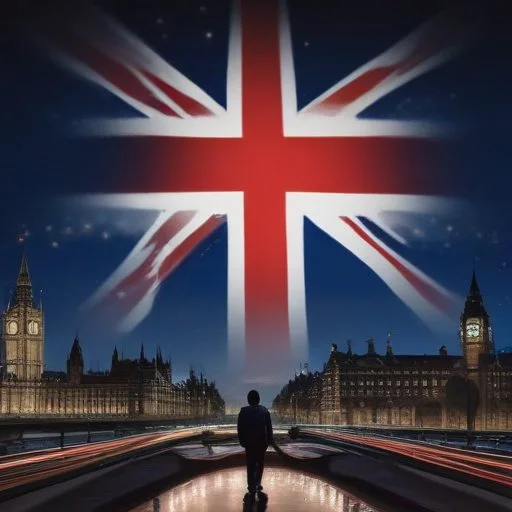
The United Kingdom's journey with the European Union began in 1973, when it joined the European Economic Community (EEC), the precursor to the EU. Over the decades, the UK played a significant role in shaping the EU's policies and institutions, while also maintaining its sovereignty and distinct identity. However, the relationship was not without its tensions and debates, culminating in the 2016 referendum that would change the course of history.
The Brexit referendum, held on June 23, 2016, saw a narrow majority of UK voters (51.9% to 48.1%) opt to leave the EU. The outcome triggered a complex and often contentious process of negotiations between the UK government and the EU, led by Prime Minister Theresa May and her successor, Boris Johnson. After multiple delays andFalse starts, the UK and EU finally agreed on a withdrawal agreement, paving the way for the UK's departure on January 31, 2020.
As the clock struck 11 pm in London and midnight in Brussels, the UK officially ceased to be an EU member state. While Brexiteers celebrated the dawn of a new era, Remainers lamented the loss of a shared European identity. The atmosphere was tense, with emotions running high on both sides of the debate.
The Brexit debate and its aftermath have had a profound impact on UK society, exposing deep-seated divisions and sparking passionate debates about identity, sovereignty, and the role of the UK in the world. As the dust settles, the UK must now navigate its new place in the world, forging a new national identity and redefining its relationships with its European neighbors and global partners.
The Brexit process has been marked by controversy, acrimony, and disagreement, both within the UK and between the UK and the EU. The outcome has been hailed as a triumph by some and lamented as a disaster by others, with opinions sharply divided across party lines, generations, and social classes.
As the UK embarks on this new chapter, one thing is clear: the consequences of this historic event will continue to unfold, shaping the country's future and redefining its place in the world.
Nigel Farage, the leader of the UK Independence Party (UKIP), was a driving force behind the Brexit movement. A charismatic and controversial figure, Farage's anti-EU rhetoric and folksy charm resonated with many Britons disillusioned with the EU. Throughout the referendum campaign, Farage's message of "taking back control" and restoring British sovereignty struck a chord with voters.
Farage's influence extended beyond the UKIP, as his message helped shape the broader Brexit narrative. His ability to connect with working-class voters, often overlooked by mainstream politicians, contributed significantly to the Leave campaign's success.
Love him or loathe him, Nigel Farage played a pivotal role in shaping the course of British history, earning him both praise and criticism from around the world.

The Brexit debate has had a profound impact on British culture, exposing deep-seated divisions and sparking passionate debates about identity, nationhood, and belonging. The referendum result has led to a surge in patriotic fervor, with many Britons embracing a renewed sense of national pride.
Conversely, Remainers have expressed feelings of loss and disconnection from their European heritage. The Brexit debate has also highlighted the complexities of British identity, with many questioning what it means to be British in the 21st century.
As the UK navigates its new role in the world, Brexit has sparked a cultural reevaluation, with artists, writers, and musicians exploring themes of identity, community, and belonging in the post-Brexit era.
The economic implications of Brexit are far-reaching and complex. The UK's departure from the EU has triggered a significant shift in the country's economic trajectory, with both positive and negative consequences.
On one hand, the UK has gained control over its trade policies, allowing it to forge new agreements with non-EU countries. This has opened up opportunities for increased trade and investment, particularly with countries like the United States and Australia.
On the other hand, the loss of access to the EU's single market has led to concerns about reduced economic growth, increased costs for businesses, and potential job losses.
The full extent of Brexit's economic impact remains to be seen, but one thing is clear: the UK's economic landscape has been forever changed.
The Brexit referendum result has had a profound impact on British politics, leading to a significant shift in the country's political landscape. The Conservative Party, once the champion of European integration, has become increasingly divided over the EU question.
The Labour Party, initially hesitant to adopt a clear stance on Brexit, has struggled to reconcile its Remain-voting membership with its Leave-voting constituents.
The Brexit debate has also led to the rise of new political forces, such as the Brexit Party, which has capitalized on the anti-EU sentiment sweeping the nation.
As the UK navigates its new relationship with the EU, the political implications of Brexit will continue to shape the country's future.
The UK's departure from the EU has sent shockwaves around the world, with significant implications for global politics and trade. The Brexit vote has been seen as a rejection of the liberal international order and a rise in nationalist sentiment.
The EU, once a beacon of unity and cooperation, has been weakened by the UK's exit, paving the way for other member states to question their own membership.
The global response to Brexit has been varied, with countries like the United States and Australia welcoming the UK's newfound independence, while others, like Germany and France, have expressed concerns about the EU's future.
As the world grapples with the consequences of Brexit, one thing is clear: the UK's decision has become a pivotal moment in modern global politics.