


The United Nations deadline for Iraq to withdraw its forces from occupied Kuwait expired, marking a critical turning point in the Gulf War. This significant event paved the way for the launch of Operation Desert Storm, a massive military operation aimed at liberating Kuwait and restoring regional stability.
In August 1990, Iraq, led by Saddam Hussein, launched a surprise invasion of neighboring Kuwait, claiming it as its 19th province. The international community condemned the act, and the United Nations Security Council demanded Iraq's immediate withdrawal. The deadline for withdrawal was set for January 15, 1991, setting the stage for a potential military conflict.
At the forefront of the crisis were key figures, including:
The days leading up to the deadline were marked by intense diplomatic efforts and military preparations:
The expiration of the deadline and the subsequent launch of Operation Desert Storm led to:
The Gulf War and Operation Desert Storm had far-reaching cultural and social implications:
Throughout the crisis, several quotes stood out, including:
The expiration of the United Nations deadline and the subsequent launch of Operation Desert Storm has had a lasting impact on global politics and international relations:
In conclusion, the expiration of the United Nations deadline for Iraqi withdrawal from Kuwait marked a pivotal moment in modern history, paving the way for Operation Desert Storm and shaping the course of international relations for years to come.
Tariq Aziz was a veteran Iraqi diplomat who served as the country's Foreign Minister during the Gulf War. A Christian by faith, Aziz was a skilled negotiator who navigated the complexities of international politics with ease. Despite his efforts to negotiate a peaceful resolution, Aziz ultimately failed to persuade Saddam Hussein to withdraw from Kuwait.
Aziz's diplomatic efforts were often marked by a tone of defiance, as he publicly refused to back down from Iraq's claim on Kuwait. However, behind closed doors, he was known to be more pragmatic, engaging in intense negotiations with the United States and the United Nations.
Throughout the crisis, Aziz's role was marked by a sense of ambiguity, with some viewing him as a puppet of Saddam Hussein, while others saw him as a moderate who genuinely sought to avoid war.
The Gulf War marked a significant turning point in the history of journalism, as CNN's 24-hour coverage set a new standard for war reporting. For the first time, audiences around the world were able to witness the conflict unfold in real-time, as CNN's correspondents reported live from the front lines.
The CNN effect, as it came to be known, had a profound impact on the way news was consumed and reported. The network's use of satellite technology and embedded reporters allowed for unprecedented access to the conflict zone, revolutionizing the way journalists covered war.
The Gulf War also marked a shift in the role of the media in shaping public opinion, as CNN's coverage helped to build support for the war effort among the American public.
The Gulf War marked a watershed moment in the history of American foreign policy, as the United States emerged as the leader of an international coalition against Iraq. The crisis presented a unique opportunity for the United States to assert its leadership on the world stage, and President George H.W. Bush seized it with aplomb.
The Bush administration's handling of the crisis was marked by a careful balancing act, as the United States navigated the complexities of coalition politics while also ensuring the protection of American interests. The success of the Gulf War campaign cemented the United States' position as the dominant military power of the post-Cold War era.
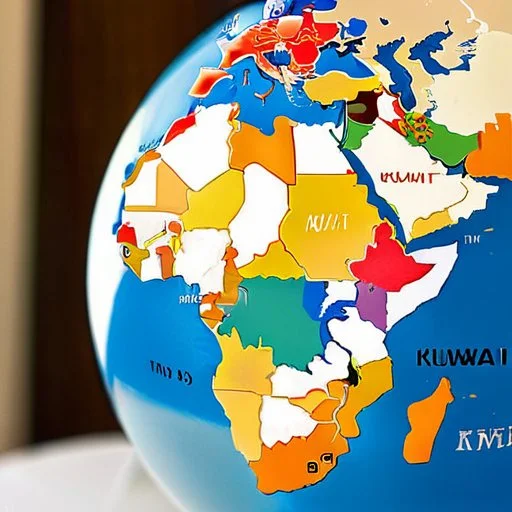
The Gulf War took place against the backdrop of a rapidly changing geopolitical landscape. The collapse of the Soviet Union had created a power vacuum in the Middle East, which Saddam Hussein sought to fill by invading Kuwait.
The war also marked a significant shift in the regional balance of power, as the United States emerged as the dominant player in the Middle East. The Gulf War set a precedent for future humanitarian interventions, as the United States demonstrated its willingness to use military force to protect its interests and maintain regional stability.
The Gulf War had a profound impact on the global economy, with the cost of the conflict estimated to be in excess of $60 billion. The war disrupted oil production in Kuwait and Iraq, leading to a spike in global oil prices and a subsequent recession in many countries.
The war also had a significant impact on the economies of the Arab states, as many countries incurred massive expenses in supporting the war effort. The Gulf War highlighted the importance of economic sanctions as a tool of diplomacy, as the international community imposed strict sanctions on Iraq in the aftermath of the conflict.