


On July 20, 2015, the United States and Cuba marked a historic turning point, reestablishing full diplomatic relations after over five decades of tension and animosity. This milestone event saw the reopening of embassies in Havana and Washington D.C., signaling a new era of cooperation and mutual understanding between the two nations.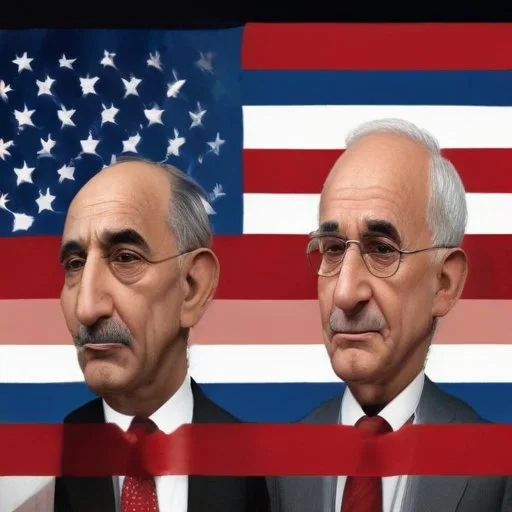
The tumultuous history between the US and Cuba dates back to the 1959 Cuban Revolution, which led to a communist government under Fidel Castro. The subsequent nationalization of American assets, the failed Bay of Pigs invasion, and the Cuban Missile Crisis pushed the two nations to the brink of war, culminating in a diplomatic freeze that lasted for over 50 years.
In 2013, secret talks facilitated by Pope Francis and Canada paved the way for a gradual thawing of relations. The release of American contractor Alan Gross, imprisoned in Cuba since 2009, and the swapping of three Cuban spies for a Cuban who had been imprisoned for spying in the US marked significant breakthroughs in the negotiations.
The reestablishment of diplomatic relations has far-reaching implications for both nations. The easing of travel and trade restrictions has opened up new opportunities for cultural exchange, economic collaboration, and people-to-people diplomacy. The removal of Cuba from the US list of state sponsors of terrorism has also cleared the way for increased economic engagement.
The resumption of diplomatic relations has sparked a surge in cultural exchange between the two nations. American artists, musicians, and athletes have flocked to Cuba, while Cuban performers and artists have toured the US. The influx of American tourists has also brought new economic opportunities and exposure to modern American culture, particularly among Cuba's youth.
The renewed relations have not been without controversy. Human rights groups have expressed concerns about the Cuban government's track record on human rights, while some US politicians have criticized the easing of restrictions as a concession to a repressive regime. Nevertheless, the majority of Cubans and Americans have welcomed the new era of cooperation and mutual understanding.
For many Cubans and Americans, the resumption of diplomatic relations represents a beacon of hope and a chance to reconnect with long-lost family and friends. For others, it symbolizes the power of diplomacy and the possibility of change. As Pope Francis noted during his 2015 visit to Cuba, "The Pontiff encourages all parties to persevere, patient and with determination, in the efforts to build bridges, preferring the way of dialogue and cooperation."
In recognition of their efforts to normalize relations, President Barack Obama and Cuban President Raúl Castro were awarded the 2016 Liberty Medal, an annual award honoring individuals who have demonstrated leadership in the pursuit of freedom.
The restoration of US-Cuba diplomatic relations sets a precedent for future diplomatic breakthroughs and cooperative agreements. As global politics continue to evolve, the US-Cuba thaw serves as a powerful reminder of the transformative power of diplomacy and cooperation.
The resumption of diplomatic relations between the United States and Cuba marks a historic milestone in global politics, promising a brighter future of cooperation, mutual understanding, and cultural exchange between two nations once divided by ideology and politics.
In the aftermath of the 1959 Cuban Revolution, the relationship between the US and Cuba began to deteriorate rapidly. Fidel Castro's communist government nationalized American assets, leading to a trade embargo and diplomatic freeze. The failed Bay of Pigs invasion in 1961, authorized by President John F. Kennedy, further strained relations.
In response to the perceived threat of communism, the US imposed sanctions and trade restrictions, which Cuba reciprocated with its own trade embargo. The subsequent Cuban Missile Crisis in 1962 brought the world to the brink of nuclear war, solidifying the diplomatic freeze that would last for decades.

Raúl Castro, Fidel's brother, played a crucial role in Cuba's transition towards normalization. As President of Cuba, he implemented gradual economic reforms, increasing private enterprise and decentralizing state control. Castro's pragmatic approach paved the way for secret talks with the US and ultimately, the reestablishment of diplomatic relations.
Castro's commitment to reform was evident in his willingness to engage in dialogue with the US, despite criticism from hardline communist factions. His leadership facilitated the release of American contractor Alan Gross, a key milestone in the thawing of relations.
The resumption of diplomatic relations has had a profound impact on Cuban culture. The influx of American tourists has brought new economic opportunities, but also exposed Cubans to modern American culture. The popularity of American music, particularly hip-hop and R&B, has led to a resurgence of creative expression in Cuba.
Cuban artists, such as jazz pianist Roberto Fonseca, have collaborated with American musicians, fostering a new era of cultural exchange. The restored relations have also enabled the development of cultural institutions, including the American Museum of Cuba, which showcases the shared cultural heritage of both nations.

The reestablishment of diplomatic relations has opened up new economic opportunities for both nations. The easing of travel and trade restrictions has led to an increase in American tourism, injecting much-needed revenue into Cuba's economy.
The US Chamber of Commerce estimates that normalization could generate upwards of $4.3 billion in annual economic benefits for the US and Cuba. The increased trade and investment have also created new opportunities for Cuban entrepreneurs, particularly in the private sector.
The normalization of US-Cuba relations marks a significant shift in the regional geopolitical landscape. The thawing of relations has weakened the influence of Soviet-era alliances and created opportunities for new partnerships.
The rapprochement has also been seen as a strategic move by the US to counterbalance the growing influence of other regional powers, such as China and Russia. As Cuba continues to reform and engage with the global community, its strategic importance in the region is likely to grow.