


In a landmark decision, the United States removed its 18-year-old economic sanctions on Libya, marking a significant shift in the country's relations with the international community. This pivotal move was in response to Libya's unprecedented cooperation in dismantling its weapons of mass destruction programs, signifying a major turnaround in the nation's stance on global affairs.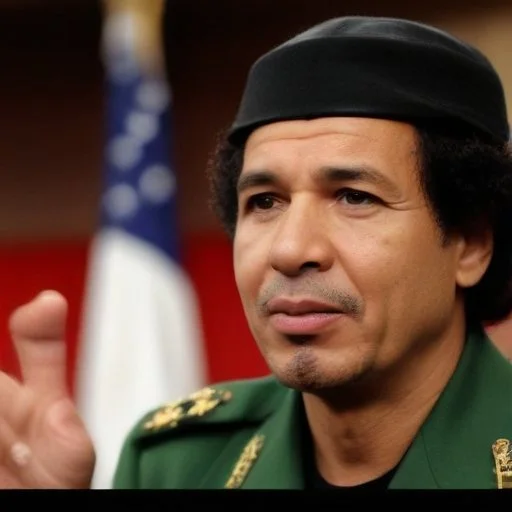
The sanctions, imposed in 1986, were a response to Libya's alleged involvement in international terrorism and its pursuit of weapons of mass destruction. The restrictions had severely limited Libya's economic growth and isolated the country from the global community. However, in the early 2000s, Libya began to re-evaluate its stance, driven in part by the changing global landscape and the desire to rejoin the international community.
In December 2003, Libya announced its decision to abandon its weapons of mass destruction programs, followed by a formal declaration in March 2004. The US responded by easing some sanctions in April 2004, and eventually lifting the remainder in September 2004.
The lifting of sanctions had a profound impact on Libyan society, as the country slowly began to reintegrate into the global community. The move paved the way for increased cultural exchange, tourism, and educational cooperation between Libya and other nations.
"Today, we mark a new chapter in our relations with Libya... We look forward to working together to build a brighter future for the people of Libya and the region." - Colin Powell, US Secretary of State, 2004
The lifting of sanctions on Libya set a precedent for similar interactions with other nations, such as Iran and North Korea, demonstrating the possibility of diplomatic engagement and cooperation on issues of global security.
| 1986 | Economic sanctions imposed on Libya |
| 2003 | Libya announces its decision to abandon WMD programs |
| 2004 | US lifts economic sanctions on Libya |
Libya's decision to cooperate on WMD issues was influenced in part by the US-led invasion of Iraq in 2003, which highlighted the consequences of non-compliance with international security demands.
The lifting of economic sanctions on Libya marked a significant turning point in the country's relations with the international community, demonstrating the possibility of diplomatic engagement and cooperation on issues of global security. As Libya continues to navigate its complex political landscape, the lessons learned from this historic event will remain an important reference point for policymakers and scholars alike.
The Geneva Connection
In 2003, Libyan officials met with international experts in Geneva, Switzerland, to discuss the dismantling of the country's weapons of mass destruction programs. This series of secret meetings, facilitated by the UK and US governments, played a crucial role in Libya's decision to abandon its WMD programs and led to the eventual lifting of economic sanctions.
The Geneva talks marked a significant shift in Libya's stance on global security, as the country began to engage with the international community in a more transparent and cooperative manner.

Colin Powell: The Architect of Diplomacy
As the then-US Secretary of State, Colin Powell played a pivotal role in facilitating dialogue between the US and Libya. His diplomatic efforts helped to create a conducive environment for Libya's turnaround, and his engagement with Libyan officials paved the way for the lifting of sanctions.
Powell's leadership and diplomatic acumen were instrumental in shaping the US response to Libya's cooperation, and his legacy continues to influence US foreign policy in the region.
The Libyan Precedent: A Model for Rogue States?
The lifting of sanctions on Libya has been cited as a model for other rogue states seeking to reintegrate into the international community. The Libyan precedent has inspired diplomatic efforts with countries like Iran and North Korea, demonstrating the possibility of cooperation and dialogue on issues of global security.
However, critics argue that the Libyan experience is unique and cannot be replicated in other contexts. The success of the Libyan model relies on a complex interplay of factors, including strategic diplomacy, economic incentives, and a willingness to compromise on issues of global security.

Libya's Cultural Renaissance
The lifting of sanctions had a profound impact on Libyan society, as the country slowly began to re-engage with the global community. The removal of restrictions on travel and cultural exchange enabled Libyan artists, musicians, and writers to share their work with a wider audience.
LIBYA Fest, a cultural festival held in Tripoli in 2005, showcased the country's rich cultural heritage, featuring traditional music, dance, and art. The festival marked a significant milestone in Libya's cultural renaissance, highlighting the country's potential to become a hub for cultural exchange in the region.
The Economic Windfall
The lifting of sanctions had a profound impact on Libya's economy, as foreign investment poured into the country. The removal of restrictions on trade and commerce enabled Libyan businesses to access new markets and capitalize on emerging opportunities.
The influx of foreign investment led to a surge in economic growth, with GDP growth rates exceeding 10% in the years following the lifting of sanctions. The economic windfall has enabled Libya to invest in critical infrastructure projects, including healthcare, education, and transportation.