


On the evening of March 19, 2003, United States President George W. Bush stepped into the spotlight, addressing the nation to announce the commencement of Operation Iraqi Freedom. This pivotal moment marked the beginning of a highly controversial and divisive military campaign, aimed at toppling the regime of Saddam Hussein in Iraq.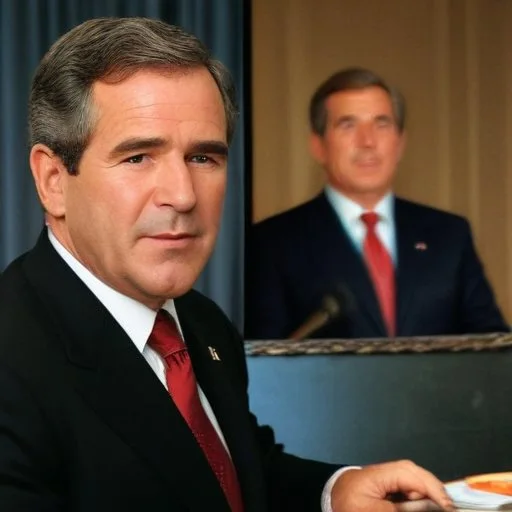
The road to war was paved by months of diplomatic tensions, fueled by allegations of Iraq's possession of Weapons of Mass Destruction (WMDs). The international community was torn, with some nations backing the United States' claims, while others vehemently opposed the prospect of military intervention.
In the months leading up to the invasion, the United States and its allies engaged in a series of diplomatic efforts to persuade Iraq to comply with United Nations resolutions. The following key events paved the way for the eventual invasion:
The invasion of Iraq had far-reaching consequences, both domestically and internationally:
The invasion of Iraq remains one of the most polarizing events in modern American history, with critics arguing that the war was unjustified and that the Bush administration misled the public about the presence of WMDs.
Public opinion on the war was deeply divided, with many Americans supporting the President's decision, while others vehemently opposed it. The legacy of the Iraq War continues to shape American foreign policy and public discourse.
President Bush's address on March 19, 2003, marked a turning point in modern history, with far-reaching consequences that continue to shape our world today. As we reflect on this pivotal moment, we are reminded of the importance of thoughtful leadership, diplomatic engagement, and the need for international cooperation in the face of global challenges.
As we look to the future, we must learn from the lessons of the past, striving to create a more peaceful, stable, and just world for all. The story of the Iraq War serves as a powerful reminder of the importance of responsible leadership, diplomacy, and the pursuit of peace.
The diplomatic efforts leading up to the invasion of Iraq were marked by a series of intense negotiations and debates within the United Nations Security Council. The United States, backed by the United Kingdom, pushed for a resolution authorizing the use of force against Iraq, while France, Germany, and Russia opposed the move, advocating for more time for inspections and diplomacy.
In the months preceding the invasion, the UN weapons inspectors, led by Hans Blix, conducted a series of searches for WMDs in Iraq. While the inspectors found some evidence of prohibited activities, they did not uncover any significant stockpiles of WMDs, fueling skepticism about the US claims.
The failure to find WMDs led to a heated debate about the legitimacy of the invasion, with many critics arguing that the US had exaggerated the threat posed by Iraq. The controversy surrounding the WMDs issue would eventually lead to a shift in the Bush administration's justification for the war, from regime change to democratization and the promotion of human rights in the region.

Tony Blair's Role in the Iraq War
Tony Blair, the Prime Minister of the United Kingdom, played a crucial role in supporting the US-led invasion of Iraq. Blair was a key ally of President Bush, and his government provided significant military and diplomatic backing to the operation.
Blair's decision to support the invasion was motivated by a combination of factors, including his commitment to the Special Relationship between the UK and the US, as well as a belief that Saddam Hussein posed a real threat to regional and global security.
Critics have accused Blair of being overly influenced by the Bush administration and of failing to adequately scrutinize the intelligence on Iraq's WMDs. However, supporters of Blair argue that he was right to take a tough stance against Saddam Hussein and that his leadership played a crucial role in shaping the international response to the crisis.
The economic costs of the Iraq War have been significant, with estimates suggesting that the total cost of the conflict could exceed $2 trillion.
The war led to a surge in oil prices, which had a ripple effect on the global economy. The conflict also disrupted Iraq's oil production, reducing the country's output and further exacerbating the global energy crisis.
In addition to the direct economic costs, the war also had a broader impact on the global economy. The uncertainty and instability generated by the conflict contributed to a decline in investor confidence, leading to a fall in stock markets and a rise in borrowing costs.

The Iraq War has had a profound impact on popular culture, with many artists and writers responding to the conflict through their work.
Documentaries, such as Fahrenheit 9/11, and films, such as Hurt Locker, have explored the human cost of the war and the complexities of the occupation.
In literature, the Iraq War has inspired a new generation of writers, including journalists and veterans, who have written about their experiences of the conflict.
The Iraq War raises fundamental questions about the principles and values that should guide foreign policy decisions.
The debate surrounding the war has centered on issues such as the legitimacy of humanitarian intervention, the morality of preemptive war, and the balance between national security and human rights.
The war has also sparked a deeper philosophical discussion about the nature of democracy, the role of the state, and the limits of military power.