


In one of the most pivotal moments in American political history, the 1800 United States presidential election brought the young nation to the brink of chaos as Thomas Jefferson and Aaron Burr found themselves deadlocked in a tie in the Electoral College, each securing 73 electoral votes.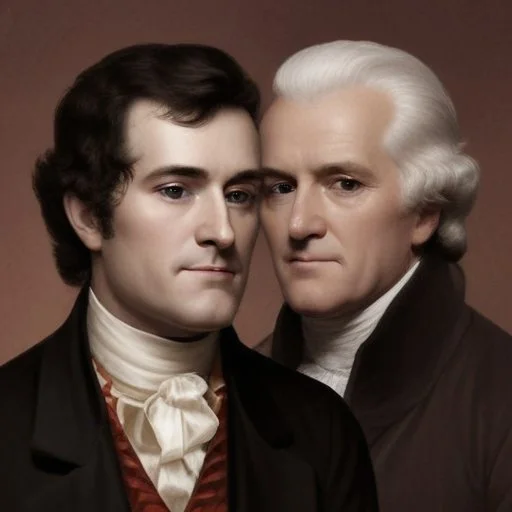
This unprecedented stalemate sent shockwaves through the political establishment, as the very fabric of democracy hung in the balance, and the fate of the presidency remained uncertain for an agonizing 36 ballots.
At the center of this Constitutional crisis stood two towering figures: Thomas Jefferson, the ideologue of liberty and individual rights, and Aaron Burr, the cunning politician with a reputation for ruthlessness. Both men were powerhouses of American politics, but their divergent ideologies and personalities would ultimately decide the course of history.
The road to this electoral impasse was paved with Machiavellian politics, backroom deals, and behind-the-scenes maneuvering. Here's a snapshot of the pivotal moments that led to the crisis:
The Electoral College crisis of 1800 sent shockwaves through the political establishment, exposing the flaws in the electoral system. In response, the 12th Amendment was ratified in 1804, ensuring that presidential elections would never again be decided by the House of Representatives.
This watershed moment marked a turning point in American democracy, as the nation began to confront the complexities of its electoral system and the delicate balance of power between the executive and legislative branches.
The electoral standoff had far-reaching implications beyond the political sphere, reflecting the deep-seated anxieties of a young nation grappling with issues of identity, power, and democracy.
The aftermath of the crisis saw a surge in political satire, with cartoonists and writers lampooning the events in vivid detail. This proliferation of political humor marked a significant shift in American culture, as the nation began to express its discontent and disillusionment with the political establishment.
In the end, the Electoral College crisis of 1800 proved a crucible for American democracy, as the nation emerged stronger, more resilient, and more divided than ever.
This pivotal moment set the stage for the tumultuous political landscape of the 19th century, as the fledgling nation struggled to reconcile its founding ideals with the harsh realities of power, politics, and compromise.
Thomas Jefferson, the principal author of the Declaration of Independence, was a strong advocate for individual liberties and limited government. His ideology was rooted in the principles of the Enlightenment, and he believed in the power of the people to shape their own destiny. Jefferson's vision for America was one of agrarian simplicity, where citizens would be free to pursue their own happiness without interference from a centralized authority.
In contrast, Aaron Burr was a cunning politician with a reputation for ruthlessness. A skilled orator and lawyer, Burr was known for his ability to manipulate people and situations to his advantage. His pragmatic approach to politics often put him at odds with Jefferson's idealism, and their differing personalities would ultimately decide the course of history.

The Electoral College crisis of 1800 had a profound impact on American culture, as the nation struggled to come to terms with the flaws in its electoral system. The crisis sparked a wave of political satire, with cartoonists and writers lampooning the events in vivid detail. This proliferation of political humor marked a significant shift in American culture, as the nation began to express its discontent and disillusionment with the political establishment.
The crisis also inspired a new generation of writers and thinkers, who saw the event as a catalyst for social change. The likes of Washington Irving and James Fenimore Cooper would go on to shape American literature, drawing inspiration from the tumultuous events of 1800.
The road to the Electoral College crisis was paved with backroom deals and secret agreements. In the months leading up to the election, Jefferson and Burr engaged in a series of clandestine negotiations, each attempting to secure the presidency. However, their machinations ultimately backfired, as the Electoral College votes were cast and the tie was revealed.
In the aftermath of the crisis, Jefferson would later accuse Burr of having made a deal with the Federalist Party to secure the presidency. While Burr denied the allegations, the rumors would haunt him for the rest of his political career.
The Electoral College crisis of 1800 exposed the flaws in the electoral system, highlighting the need for reform. The crisis demonstrated that the system was vulnerable to manipulation and that the will of the people could be subverted by political maneuvering.
In response to the crisis, the 12th Amendment was ratified in 1804, ensuring that presidential elections would never again be decided by the House of Representatives. The amendment marked a significant shift in the balance of power between the executive and legislative branches, and paved the way for the development of modern presidential politics.
The Electoral College crisis of 1800 occurred against the backdrop of a rapidly changing geopolitical landscape. The young American nation was still finding its place in the world, and the crisis would have far-reaching implications for international relations.
The crisis was closely watched by European powers, who saw it as a test of American democracy. The outcome of the crisis would ultimately strengthen the United States' position on the world stage, as the nation demonstrated its ability to navigate internal conflict and emerge stronger than ever.