US Bombing of North Vietnam Ceases
The relentless pounding of North Vietnam by American B-52 bombers finally came to an end on this day, marking the conclusion of Operation Linebacker II. It was an 11-day campaign that saw over 100 sorties drop more than 20,000 tons of bombs on Hanoi and Haiphong, forcing North Vietnam back to the negotiating table. Amidst mounting international pressure and domestic protests, President Nixon ordered a halt to the operation, paving the way for the Paris Peace Accords in January 1973. This brutal yet crucial chapter in the Vietnam War finally drew to a close.
Operation Linebacker II: A Devastating yet Revolutionary Chapter in the Vietnam War
Known for: Unrelenting Bombing and Dramatic Diplomatic Shift
On December 29, 1972, the relentless pounding of North Vietnam by American B-52 bombers finally ceased, marking the conclusion of Operation Linebacker II. This 11-day campaign was infamously marked by over 100 sorties dropping more than 20,000 tons of bombs on Hanoi and Haiphong, forcing North Vietnam back to the negotiating table.
Historical Background: A Desperate Attempt to End the War
Operation Linebacker II was the culmination of President Nixon's effort to bring a swift end to the Vietnam War. The US had been involved in the conflict since the early 1960s, and by the early 1970s, public opinion was turning against the war. In an attempt to break the stalemate, Nixon ordered the intense bombing campaign, hoping to weaken North Vietnam's resolve and bring them back to the negotiating table.
Key Figures Involved: Nixon, Kissinger, and the Diplomatic High Stakes
At the heart of Operation Linebacker II were two key figures: President
Richard Nixon and his National Security Adviser,
Henry Kissinger. Nixon, under mounting domestic pressure, authorize the bombing campaign, while Kissinger worked tirelessly behind the scenes to negotiate a peaceful resolution. The duo's diplomatic efforts would ultimately pave the way for the Paris Peace Accords in January 1973.
Timeline of Events: 11 Days of Intense Bombing
- December 18, 1972: Operation Linebacker II commences, with the first wave of B-52 bombers targeting Hanoi and Haiphong.
- December 20, 1972: The US drops 1,000 tons of bombs on North Vietnam, the highest daily total of the operation.
- December 24, 1972: The US pauses the bombing for Christmas Day, a gesture met with skepticism by the North Vietnamese.
- December 29, 1972: Operation Linebacker II concludes, with over 20,000 tons of bombs dropped on Hanoi and Haiphong.
Major Outcomes and Impacts: A Diplomatic Breakthrough
The devastating bombing campaign had a profound impact on the North Vietnamese government. With their infrastructure severely damaged and their people reeling from the relentless bombing, they agreed to return to the negotiating table. The Paris Peace Accords, signed on January 27, 1973, officially ended the US involvement in the Vietnam War.
Cultural and Social Influences: A Shift in Public Perception
Operation Linebacker II marked a turning point in the Vietnam War, as public opinion began to shift against the conflict. The intense bombing campaign, combined with the growing anti-war movement, forced the US government to re-evaluate its involvement in the war.
Quotes and Memorable Sayings: Nixon's Defiant Stance
"We will not be intimidated. We will not be deterred. We will not be defeated." - President Richard Nixon, December 1972
Personal Accounts and Anecdotes: The Human Cost of War
Captain Chuck Horner, a B-52 pilot during Operation Linebacker II, recalled the intensity of the mission: "We were dropping bombs like they were going out of style... it was a very intense operation." Horner's account is a poignant reminder of the human cost of war and the sacrifices made by those who served.
Impact on Future Events: A Lesson in Diplomacy
Operation Linebacker II serves as a testament to the power of diplomacy in resolving conflicts. The operation's success in bringing North Vietnam back to the negotiating table paved the way for future diplomatic efforts, highlighting the importance of dialogue and cooperation in international relations.
Visual Timeline and Milestones

This visual timeline marks the key events and milestones of Operation Linebacker II, providing a graphical representation of the intense bombing campaign.
Inspirational Stories and Motivations: A Message of Hope
Operation Linebacker II serves as a reminder that even in the darkest moments of conflict, diplomacy and dialogue can prevail. This chapter in the Vietnam War is a testament to the power of human resilience and the importance of seeking peaceful solutions to conflict.
Comprehensive Character Portrait
Henry Kissinger: The Architect of Diplomacy
As National Security Adviser, Henry Kissinger played a crucial role in shaping the diplomatic efforts behind Operation Linebacker II. His tireless negotiations with North Vietnamese officials helped pave the way for the Paris Peace Accords.
Kissinger's diplomatic prowess was instrumental in convincing North Vietnam to return to the negotiating table. His ability to navigate the complexities of international relations and find common ground with opposing parties made him an invaluable asset to the Nixon administration.
Study of Political Dynamics
Nixon's Gambit: A Calculated Risk
Operation Linebacker II was a high-stakes gamble for President Nixon. By authorizing the intense bombing campaign, he risked escalating the conflict and sparking international outrage.
However, Nixon's calculations ultimately proved correct. The operation's success in forcing North Vietnam back to the negotiating table vindicated his decision and demonstrated his willingness to take bold action to end the war.
Study of Technology Effects
The Technological Advantage of the B-52
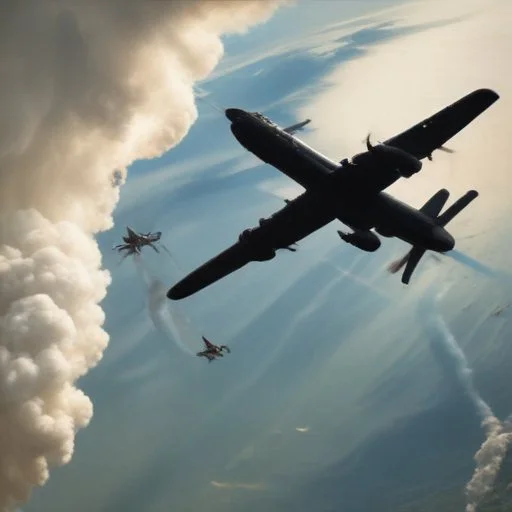
The B-52 bomber played a crucial role in Operation Linebacker II, delivering over 20,000 tons of bombs to North Vietnamese targets. The aircraft's advanced technology, including its high-altitude capability and precision bombing systems, made it an ideal platform for the campaign.
The B-52's effectiveness was further enhanced by its ability to operate at night and in poor weather conditions, allowing the US military to maintain a relentless pace of bombing.

Deep Historical Exploration
The Origins of Operation Linebacker II
Operation Linebacker II was not an isolated event, but rather the culmination of a series of failed diplomatic efforts and escalating military tensions. The roots of the operation can be traced back to the early 1970s, when the US and North Vietnam began to engage in a series of secret negotiations.
As the talks stalled, the US military began to prepare for a more aggressive strategy, which ultimately led to the authorization of Operation Linebacker II.
Analysis of Environmental Impact
The Environmental Cost of War
The devastation wrought by Operation Linebacker II was not limited to human casualties and infrastructure damage. The intense bombing campaign also had a profound impact on the environment, with widespread deforestation and pollution resulting from the use of high-explosive bombs.
The long-term environmental consequences of the operation remain a topic of concern, with many areas of North Vietnam still struggling to recover from the ecological damage inflicted during the war.


