


The Seneca Falls Women's Rights Convention, held on July 19-20, 1848, marked a watershed moment in the fight for women's suffrage, equality, and social justice in the United States. This groundbreaking event, organized by Elizabeth Cady Stanton, Lucretia Mott, and Martha Coffin Wright, brought together over 300 individuals to demand equal rights and opportunities for women, forever changing the course of American history.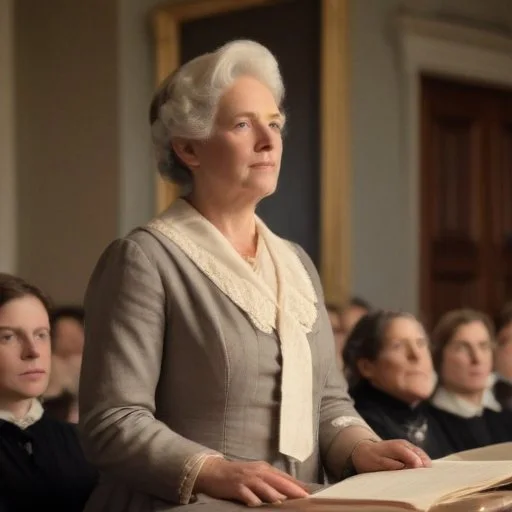
At the heart of the convention lay the Declaration of Sentiments, a groundbreaking document penned by Elizabeth Cady Stanton that boldly declared the fundamental principles of women's rights. This historic document, modeled after the Declaration of Independence, enumerated the grievances faced by women and demanded equal rights in areas such as education, property ownership, and suffrage.
The two-day convention provided a platform for women to express their grievances, share their experiences, and connect with like-minded individuals. The convention witnessed passionate debates, heartfelt testimonies, and fiery speeches, as attendees from diverse backgrounds came together to forge a sense of unity and purpose.
The convention was made possible by the tireless efforts of three key figures:
The Seneca Falls Convention had far-reaching consequences, including:
The Seneca Falls Convention has inspired generations of women's rights activists and continues to serve as a beacon of hope and empowerment. As Elizabeth Cady Stanton so eloquently stated:
"The moment we begin to fear the opinions of others and hesitate to tell the truth that is in us, and from motives of policy are silent when we should speak, the divine floods of light and life no longer flow into our souls."
This convention marked a pivotal moment in the struggle for women's rights, and its impact continues to resonate today, inspiring individuals to strive for a more just and equitable society.
Lucretia Mott was a prominent figure in the women's rights movement, but her commitment to social justice extended far beyond the struggles of women. Born in 1793, Mott was a Quaker minister and abolitionist who dedicated her life to fighting against slavery and racism.
Her work as an abolitionist was deeply intertwined with her advocacy for women's rights. Mott believed that the struggle for women's rights was inextricably linked to the struggle for racial equality, and that true freedom and equality could only be achieved by addressing both issues simultaneously.
Mott's partnership with Elizabeth Cady Stanton was instrumental in organizing the Seneca Falls Convention, and her influence can be seen throughout the Declaration of Sentiments. Her tireless efforts to promote social justice and equality continue to inspire generations of activists today.

The Seneca Falls Convention took place at a pivotal moment in American history. The Mexican-American War had recently ended, and the United States was in the midst of a major expansionist period, with the annexation of Texas and the Oregon Territory.
This period of expansion and growth was accompanied by a growing sense of social unrest, as issues like slavery and women's rights became increasingly pressing.
The convention itself was held in Seneca Falls, a small town in upstate New York that was home to a thriving community of abolitionists and social reformers. The town's proximity to the Erie Canal, a major transportation hub, made it an ideal location for the convention, allowing attendees to travel from across the state and beyond.
The Declaration of Sentiments, drafted by Elizabeth Cady Stanton, is one of the most significant documents in the history of the women's rights movement.
This groundbreaking document was modeled after the Declaration of Independence, and its language and structure reflect the strong influence of Enlightenment thinking on the women's rights movement.
The Declaration of Sentiments is remarkable not only for its bold demands for women's rights, but also for its careful attention to the grievances faced by women. The document's 18 points, which range from the right to education and property ownership to the right to vote, provide a comprehensive roadmap for achieving women's equality.

The Seneca Falls Convention had a profound impact on American culture, helping to galvanize a growing movement for women's rights and social justice.
The convention's emphasis on women's autonomy and agency helped to challenge traditional gender norms and stereotypes, paving the way for future generations of women writers, artists, and activists.
The convention's influence can be seen in the work of writers like Margaret Fuller and Elizabeth Barrett Browning, who were inspired by the convention's message of female empowerment and equality.The Seneca Falls Convention marked a critical turning point in the struggle for women's rights, catalyzing a wave of social change that would continue to ripple outward for generations to come.
The convention's emphasis on collective action and grassroots organizing helped to create a sense of community and solidarity among women, fostering a shared sense of purpose and commitment to the cause.
As news of the convention spread, it inspired women across the country to take action, forming their own women's rights organizations and advocating for change in their local communities.