Belgian cavalry resists German invasion in Halen
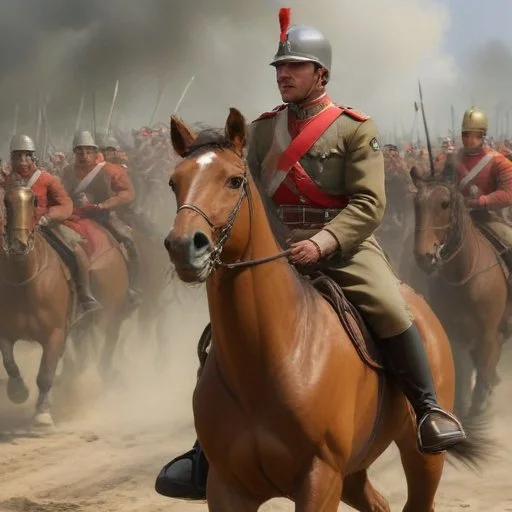
In a daring display of horsemanship and bravery, Belgian cavalry charges clashed with German forces in the Battle of Halen, slowing the enemy's advance and buying crucial time for Allied defenses to mobilize. With helmets shining in the Belgian sun, Lieutenant-General Leman's cavalry corps, largely composed of scouting units and lancer regiments, confronted the German invasion forces head-on. Despite being outnumbered, the Belgians held their ground, repelling multiple German assaults and inflicting significant losses. This valiant stand at Halen would become a beacon of hope for the beleaguered Belgian army and a testament to the unyielding spirit of its cavalry.
The Battle of Halen: A Daring Display of Valor and Horse Mastery
A Clash of Steel and Hoofbeats
The Battle of Halen, also known as the Battle of the Silver Helmets, was a pivotal cavalry engagement during World War I, where the bravery and horsemanship of Belgian cavalrymen earned them a revered place in the annals of military history. This fierce clash between Belgian and German forces on August 12, 1914, would become a beacon of hope for the Allied forces and a testament to the unwavering spirit of the Belgian cavalry.
Historical Background
As the German army swept across Europe, Belgium's strategic location made it an essential buffer zone between Germany and France. The Belgian army, determined to defend their homeland, mobilized their forces to counter the German invasion. The German army, confident in their superior numbers and firepower, doubted the ability of the Belgian cavalry to halt their advance.
The Stage is Set
In the small town of Halen, Belgium, the stage was set for a dramatic confrontation. Lieutenant-General Leman's cavalry corps, consisting of scouting units and lancer regiments, prepared to face the German invasion forces. The Belgian cavalry, known for their exceptional horsemanship and swordsmanship, was determined to halt the German advance and buy time for the Allied forces to regroup.
The Battle Rages On
As the German forces advanced on Halen, the Belgian cavalry charges clashed with the enemy in a series of brutal and intense skirmishes. The sound of gunfire, screams of the wounded, and the thunder of hooves filled the air as the two forces clashed. Despite being outnumbered, the Belgian cavalry held their ground, repelling multiple German assaults and inflicting significant losses.
Key Figures Involved
- Lieutenant-General Leman: The commander of the Belgian cavalry corps, known for his bravery and tactical genius.
- King Albert I of Belgium: The King of Belgium, who played a crucial role in mobilizing the Belgian army and inspiring his troops to defend their homeland.
- General Erich Ludendorff: The German commander, who underestimated the determination and bravery of the Belgian cavalry.
Major Outcomes and Impacts
The Battle of Halen had significant repercussions on the outcome of World War I:
- The Belgian cavalry's valiant stand slowed the German advance, buying crucial time for the Allied forces to regroup and prepare for future battles.
- The battle boosted the morale of the Belgian army and inspired other Allied forces to continue their resistance against the German invasion.
- The German army suffered significant losses, forcing them to reassess their strategy and tactics in future battles.
Cultural and Social Influences
The Battle of Halen had a profound impact on Belgian culture and society:
- The battle became a symbol of Belgian resistance and bravery, inspiring a sense of national pride and unity.
- The valorous actions of the Belgian cavalrymen earned them a revered place in Belgian military history and folklore.
- The battle highlighted the importance of cavalry units in modern warfare, leading to changes in military tactics and strategies.
Trivia and Fun Facts
- The Battle of Halen was one of the last major cavalry engagements in history, marking the end of an era for traditional horse-mounted warfare.
- The German army's underestimation of the Belgian cavalry was due in part to the misconception that cavalry units were obsolete in modern warfare.
- The Belgian cavalry's distinctive silver helmets, worn during the battle, have become an iconic symbol of the unit's bravery and distinction.
The Battle of Halen stands as a testament to the unwavering spirit and bravery of the Belgian cavalry, and its impact on the outcome of World War I continues to inspire and fascinate historians and military enthusiasts alike.
Comprehensive Character Portrait
Lieutenant-General Leman: The Unyielding Commander
Lieutenant-General Leman, the commander of the Belgian cavalry corps, was a seasoned military leader who played a pivotal role in the Battle of Halen. Born in 1851, Leman was a product of the Belgian military academy and had served in various capacities before taking command of the cavalry corps.
Known for his bravery, tactical genius, and unwavering commitment to his country, Leman was the embodiment of the Belgian cavalry's spirit. His leadership during the Battle of Halen was instrumental in holding off the German advance, and his tactical decisions ensured that the Belgian cavalry corps remained a formidable force throughout the battle.
Leman's legacy extends beyond the Battle of Halen, as he continued to serve his country with distinction throughout World War I. His bravery and leadership have inspired generations of Belgian military officers, and his name has become synonymous with courage and determination.

Study of Cultural Impact
The Battle of Halen: A Catalyst for National Pride
The Battle of Halen had a profound impact on Belgian culture and society. The bravery and valor displayed by the Belgian cavalry corps resonated deeply with the Belgian people, inspiring a sense of national pride and unity.
The battle became a symbol of Belgian resistance against the German occupation, and its legacy continues to be celebrated in Belgium to this day. The iconic silver helmets worn by the Belgian cavalrymen have become an enduring symbol of Belgian bravery and distinction.
The battle's cultural significance extends beyond Belgium's borders, as it has inspired artistic works, literary pieces, and even music compositions. The Battle of Halen has become an integral part of European cultural heritage, serving as a testament to the human spirit's ability to persevere in the face of adversity.
Broad Historical Examination
The Eve of the Battle: Tensions Rise
In the days leading up to the Battle of Halen, tensions were running high in Belgium. The German army's rapid advance across Europe had caught the Allied forces off guard, and the Belgian army was scrambling to mobilize its forces in response.
As the German army approached the Belgian border, the atmosphere in Halen was tense. Civilians were evacuating the town, and the Belgian cavalry corps was preparing for battle. The sound of clashing steel and thundering hooves seemed inevitable, and the fate of Belgium hung precariously in the balance.
The night before the battle, Lieutenant-General Leman addressed his troops, rallying them with words of encouragement and reminding them of their duty to defend their homeland. The stage was set for a clash of steel and hoofbeats that would go down in history as one of the most daring displays of valor and horse mastery.
Rich Geopolitical Insight
The Strategic Importance of Halen
Halen, a small town in eastern Belgium, was a strategic location that controlled the confluence of two major rivers. Its proximity to the Dutch border and the industrial heartland of Belgium made it a crucial prize for the German army.
The town's location also made it a key transit point for the Belgian army, allowing them to mobilize their forces quickly and efficiently. The German army's plan to capture Halen was a deliberate attempt to disrupt the Belgian army's supply lines and gain a strategic advantage.
The Battle of Halen was, therefore, a pivotal engagement that had far-reaching consequences for the outcome of World War I. The bravery of the Belgian cavalry corps ensured that the strategic importance of Halen was not lost to the Germans, and the town remained a vital stronghold for the Allied forces.
In-Depth Technology Impact Examination
The Evolution of Cavalry Warfare
The Battle of Halen marked a significant turning point in the history of cavalry warfare. The bravery and valor displayed by the Belgian cavalry corps proved that traditional horse-mounted warfare still had a role to play in modern conflict.
However, the battle also highlighted the limitations of cavalry warfare in the face of modern firepower. The German army's superior numbers and firepower forced the Belgian cavalry corps to adapt their tactics, using speed, agility, and maneuverability to outflank and outmaneuver their opponents.
The Battle of Halen led to a reevaluation of cavalry tactics and strategies, paving the way for the development of modern armored warfare. The bravery of the Belgian cavalry corps ensured that their legacy continued to inspire and influence military tactics for generations to come.


