


The Battle of Cer, fought between August 15 and 24, 1914, is renowned for being the first Allied victory of World War I, marking a crucial milestone in the conflict. This pivotal battle not only thwarted the Austro-Hungarian Empire's attempts to conquer Serbia but also instilled a much-needed sense of hope and momentum among the Allied powers.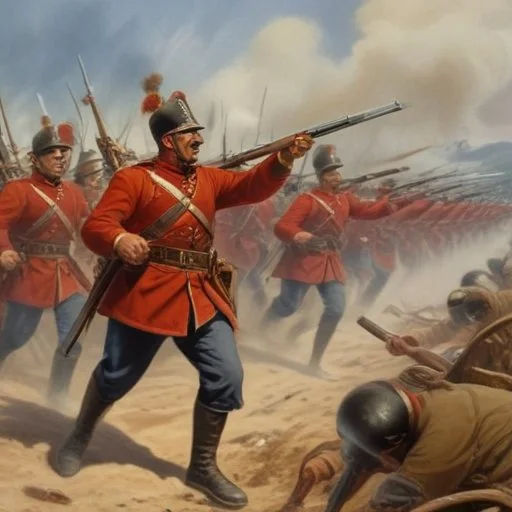
In the years leading up to World War I, tensions had been simmering between the great powers of Europe. The complex system of alliances and nationalist sentiment had created an atmosphere of unease, and the assassination of Archduke Franz Ferdinand of Austria-Hungary by Gavrilo Princip, a Serbian nationalist, proved to be the spark that ignited the war.
| Date | Event |
|---|---|
| August 15, 1914 | The Battle of Cer commences as Austro-Hungarian forces cross the Serbian border. |
| August 16-20, 1914 | Intense fighting occurs as the Serbian Army repels wave after wave of Austro-Hungarian attacks. |
| August 24, 1914 | The Austro-Hungarian Army retreats, marking a decisive victory for the Serbs. |
The Battle of Cer's significance extends far beyond its immediate outcome. The victory not only prevented Austro-Hungarian forces from advancing further into Serbia but also bolstered morale among the Allied powers, demonstrating that the seemingly invincible Austro-Hungarian Empire could be defeated. This triumph paved the way for Serbia's continued resistance against Austro-Hungarian aggression, ultimately contributing to the Empire's downfall.
The Battle of Cer had a profound impact on Serbian culture and identity. The victory was seen as a symbol of national pride and resistance against foreign oppression, inspiring a new generation of Serbian patriots. The battle is still celebrated today, with August 15 being commemorated as a national holiday in Serbia.
"The Battle of Cer was a beacon of hope in the darkness of war, proving that even in the face of overwhelming odds, courage and determination can prevail." - General Stepa Stepanović
The Battle of Cer shares similarities with other early World War I battles, such as the Battle of the Frontiers, in its demonstration of the resilience and determination of smaller nations against more powerful foes. However, the Battle of Cer's significance lies in its being the first Allied victory, setting a precedent for future Allied successes.
One Serbian soldier, recalling the battle, said, "We were vastly outnumbered, but our general's tactics and our own bravery turned the tide of the battle. It was a moment of pride, knowing we had fought for our country's freedom."
The Battle of Cer's influence can be seen in the subsequent battles of World War I, as it demonstrated the importance of guerrilla warfare and the ability of smaller nations to resist larger powers. The battle also set a precedent for the eventual formation of the Kingdom of Yugoslavia after the war.
The Battle of Cer remains an important and often overlooked chapter in World War I history, serving as a testament to the bravery and determination of the Serbian people. Its significance extends beyond the battlefield, influencing the course of the war and shaping the future of the Balkans.
The Serbian Army's preparation for the Battle of Cer was a testament to their organizational skills. In the weeks leading up to the battle, General Stepanović had mobilized his forces, fortifying key positions and stockpiling ammunition. This allowed the Serbian Army to respond quickly to the Austro-Hungarian invasion, catching them off guard and giving them an initial advantage.
Meanwhile, the Austro-Hungarian forces, under the command of General Potiorek, were confident in their superior numbers and firepower. They planned to crush the Serbian resistance quickly, but their aggressive strategy played into the hands of the Serbian Army, who were well-equipped to defend their territory.
The battle itself was a series of intense skirmishes, with both sides suffering heavy casualties. The Serbian Army's familiarity with the terrain proved to be a decisive factor, as they were able to launch guerrilla attacks on the Austro-Hungarian forces from the cover of the dense forests.

General Oskar Potiorek, the Austro-Hungarian commander, was a complex figure, driven by a mix of patriotism and personal ambition. A seasoned military officer, he had risen through the ranks of the Austro-Hungarian Army, earning a reputation for bravery and tactical genius.
However, his aggressive strategy during the Battle of Cer has been criticized by historians, who argue that it was overly reckless and underestimated the Serbian Army's resolve. Despite his defeat, Potiorek remained a respected figure in Austro-Hungarian military circles, and continued to play a significant role in the war effort.
In contrast, General Stepa Stepanović, the Serbian commander, was a more introspective figure, known for his calm and measured approach to warfare. A veteran of several conflicts, he had earned the respect of his troops, who saw him as a father figure and a symbol of national pride.
The Battle of Cer shares interesting parallels with the Battle of Mons, fought around the same time in Belgium. Both battles saw smaller, more agile forces defeating larger, more powerful opponents, using unconventional tactics and exploiting the terrain to their advantage.
However, the two battles also highlighted significant differences in the approaches of the Allied and Central Powers. While the Serbian Army was able to adapt quickly to the changing circumstances of the battle, the Austro-Hungarian forces were hamstrung by their rigid command structure and traditional tactics.
Further, the Battle of Cer highlights the importance of guerrilla warfare in modern warfare, a tactic that would become increasingly important as the war dragged on. The Serbian Army's ability to launch hit-and-run attacks on the Austro-Hungarian forces, using their knowledge of the terrain to maximum effect, foreshadowed the tactics that would be used by resistance movements across Europe in the years to come.

The Battle of Cer has had a profound impact on Serbian culture and identity, symbolizing the nation's struggle for independence and self-determination. The battle is still celebrated today, with August 15 marked as a national holiday in Serbia.
The battle has also inspired a rich cultural heritage, with songs, poems, and literature dedicated to the bravery and sacrifice of the Serbian Army. In Serbia, the battle is often seen as a symbol of national pride, and a testament to the bravery and resilience of the Serbian people.
The Battle of Cer was fought against the backdrop of the complex web of alliances and rivalries that characterized the Balkans in the early 20th century. The assassination of Archduke Franz Ferdinand had set off a chain reaction of events that drew in all the major powers of Europe, but the Balkans remained a particular flashpoint.
The battle was also influenced by the competing interests of the great powers, with Austria-Hungary, Russia, and Germany all vying for influence in the region. The Serbian Army's victory was seen as a blow to Austro-Hungarian dominance, and a significant shift in the balance of power in the Balkans.