


Saipan, a small island in the Pacific, holds a significant place in history as the site of a crucial battle that brought the Japanese archipelago within range of B29 raids and ultimately led to the downfall of the Tojo government during World War II. The successful capture of Saipan by American forces on July 9, 1944, marked a major shift in the balance of power in the Pacific, paving the way for the eventual defeat of Japan.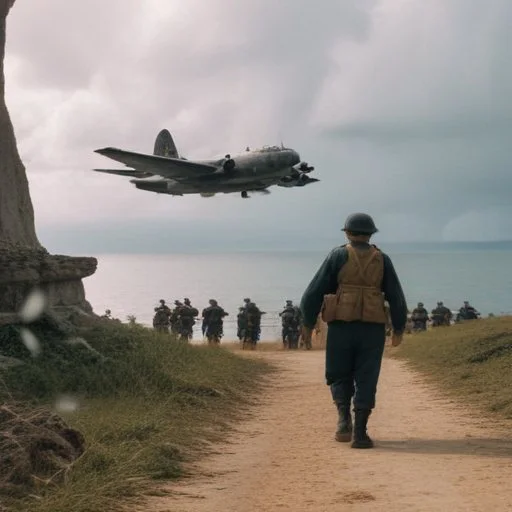
In the early years of World War II, Japan had expanded its empire, capturing key islands in the Pacific, including Saipan, which became a vital stronghold in the Japanese archipelago. The island's strategic location made it an ideal base for Japanese aircraft, posing a significant threat to American forces in the region.
The battle for Saipan was fierce and intense, lasting from June 15 to July 9, 1944. American forces, led by General Holland Smith, launched a surprise attack on the island, hoping to catch the Japanese off guard. However, the Japanese, led by Lieutenant General Yoshitsugu Saito, were well-prepared and fiercely resisted the American invasion.
The battle was marked by brutal fighting, with both sides suffering heavy casualties. The Americans employed innovative tactics, including the use of amphibious tanks and napalm bombing, to break through Japanese defenses. In the end, the superior firepower and numerical advantage of the Americans proved too much for the Japanese, and the island fell to the Allies.
The capture of Saipan had far-reaching consequences for the outcome of World War II. The Americans could now launch B29 bomber raids directly onto Japanese soil, bringing the war to Japan's doorstep. The fall of Saipan also led to the downfall of the Tojo government, marking a significant shift in Japanese politics.
The victory also had a profound impact on the morale of the Allies, demonstrating that the Japanese were not invincible and that the tide of the war was turning in favor of the Allies. The capture of Saipan paved the way for the eventual defeat of Japan, which came just over a year later with the atomic bombings of Hiroshima and Nagasaki.
The battle for Saipan had a profound impact on the people of Saipan, who had lived under Japanese occupation for decades. The American victory brought hope and freedom to the islanders, who had suffered greatly under Japanese rule.
The battle also had a significant impact on American culture, with the victory being seen as a major milestone in the war effort. The bravery and sacrifice of the American soldiers who fought and died on Saipan were hailed as heroes, inspiring a generation of Americans.
"The capture of Saipan is a historic moment, marking a significant turning point in the Pacific war." - General Douglas MacArthur
"The fall of Saipan is a grave blow to the Japanese war effort, and marks the beginning of the end of the war in the Pacific." - Admiral Chester Nimitz
Sergeant John Basilone, a Marine who fought on Saipan, recalled the intense fighting and the devastating effects of the napalm bombing. "The screams of the wounded and the smell of burning flesh will haunt me for the rest of my life."
Lieutenant Colonel Harold Erskine, who commanded an infantry battalion on Saipan, remembered the bravery of his men. "They fought with a ferocity that I had never seen before, driven by a desire to defeat the enemy and bring an end to the war."
The capture of Saipan paved the way for the eventual defeat of Japan, and marked a significant turning point in the war in the Pacific. The battle demonstrated the superiority of American firepower and tactics, and set the stage for the Allied victory in World War II.
The fall of Saipan also had a profound impact on Japanese politics, leading to the downfall of the Tojo government and the eventual surrender of Japan.
The bravery and sacrifice of the American soldiers who fought on Saipan serve as an inspiration to generations of Americans, reminding us of the importance of courage, sacrifice, and determination in the face of adversity.
The story of Saipan is a testament to the power of human resilience and the importance of standing up against tyranny and oppression. It serves as a reminder of the importance of standing together as a nation, and working towards a common goal of freedom and peace.
The battle for Saipan was a complex and multifaceted operation that involved careful planning and execution. The American forces, led by General Holland Smith, launched a surprise attack on the island on June 15, 1944, with the goal of capturing the airfield and securing the island. However, the Japanese forces, led by Lieutenant General Yoshitsugu Saito, were well-prepared and fiercely resisted the American invasion.
The initial assault was led by the 2nd and 4th Marine Divisions, who landed on the western coast of the island. The Marines faced intense fire from Japanese artillery and machine guns, but they slowly began to make progress against the Japanese defenses. Meanwhile, the U.S. Army's 27th Infantry Division landed on the eastern coast of the island and began to push inland.
As the battle raged on, the Americans employed innovative tactics, including the use of amphibious tanks and napalm bombing, to break through Japanese defenses. The Japanese, on the other hand, resorted to desperate measures, including suicide attacks and banzai charges, in a bid to hold off the American advance.

Lieutenant General Yoshitsugu Saito was a seasoned Japanese military officer who played a crucial role in the battle for Saipan. Born in 1890, Saito graduated from the Japanese Military Academy and went on to serve in various capacities, including as a staff officer and commander of the Japanese 43rd Division.
Saito was known for his bravery and tactical prowess, earning him the respect of his peers and subordinates. Despite being outgunned and outnumbered, Saito led his troops in a fierce defense of Saipan, inflicting heavy casualties on the American forces.
Tragically, Saito died in the final days of the battle, reportedly taking his own life rather than surrender to the Americans. His bravery and sacrifice have been remembered as a symbol of Japanese resistance during World War II.
The battle for Saipan had a profound impact on the indigenous population of the island, who had lived under Japanese occupation for decades. The American victory brought hope and freedom to the islanders, who had suffered greatly under Japanese rule.
The Saipanese people had been subject to forced labor, confiscation of their lands, and cultural suppression by the Japanese. The American occupation, on the other hand, brought new opportunities for education, employment, and cultural expression.
The legacy of the battle for Saipan continues to be felt in Saipan today, with the islanders celebrating their liberation from Japanese rule and honoring the bravery of the American forces who fought for their freedom.

The capture of Saipan had significant economic implications for both the Japanese and American war efforts. The island's airfield and harbor facilities were critical to the Japanese military's ability to project power in the Pacific.
The loss of Saipan dealt a severe blow to the Japanese war economy, as it disrupted supply lines and communication networks between Japan and its Pacific territories. The Americans, on the other hand, gained a strategic foothold in the Pacific, enabling them to launch further attacks on Japanese-held territories.
The American military investment in Saipan was substantial, with billions of dollars poured into constructing airfields, ports, and other infrastructure. Today, Saipan remains an important economic hub in the Pacific, with a growing tourism industry and strategic location for international trade.
The battle for Saipan was part of a broader geopolitical context, as the United States and Japan vied for dominance in the Pacific. The Japanese occupation of Saipan and other Pacific islands was a key component of their expansionist policy, aimed at creating a "Greater East Asia Co-Prosperity Sphere."
The American victory at Saipan marked a significant shift in the balance of power in the Pacific, as the United States emerged as a major military power in the region. The battle also had implications for the post-war settlement, with the United States playing a key role in shaping the political and economic architecture of East Asia.
The legacy of the battle for Saipan continues to influence contemporary geopolitics, with the United States maintaining a significant military presence in the Pacific and engaging in ongoing diplomatic efforts to promote regional stability and security.