


In November 1942, the fate of France's last bastion of independence hung in the balance as German forces swept across the country, occupying the Zone Libre, also known as Vichy France. This drastic turn of events marked a significant shift in the balance of power, cementing Nazi control over the entire French coastline and further fragmenting a nation already torn between resistance and collaboration.
Following France's defeat in 1940, the country was divided into two zones: the Occupied Zone, under direct German control, and the Zone Libre, governed by the Vichy regime. Although the Vichy government was technically autonomous, it collaborated closely with the Nazis, sparking widespread resentment among the French population. As the Allies gained momentum in North Africa, the Germans grew increasingly aggressive, seeking to tighten their grip on Western Europe.
November 8, 1942: German forces launch Operation Anton, pouring across the border into Vichy France.
November 11, 1942: French resistance is swiftly crushed as German troops occupy key cities, including Marseille, Lyon, and Toulouse.
November 27, 1942: The German army arrives in Vichy, and Marshal Pétain is forced to dissolve the Zone Libre government, ending France's last vestiges of autonomy.
The occupation of the Zone Libre marked a significant blow to French morale, further entrenching the division between collaborators and resistors. The Vichy government, now a puppet regime, tightened its grip on the country, enforcing harsh anti-Semitic laws and suppressing dissent. The Allies, meanwhile, faced a formidable new challenge as German control extended to the entire French coastline, complicating future invasion plans.
The fall of the Zone Libre had a profound impact on French culture, as many artists, writers, and intellectuals were forced into exile or went underground to evade Nazi persecution. The occupation also sparked a surge in resistance movements, as ordinary citizens began to organize against the Nazi-Vichy regime.
Operation Anton sparked widespread outrage among the French population, with many viewing Marshal Pétain's collaboration as a betrayal of national honor. The Vichy regime's complicity in Nazi atrocities, including the deportation of Jews to concentration camps, remains one of the most contentious periods in French history.
Amidst the darkness of occupation, heroic tales of resistance and defiance illuminated the French landscape. Figures like Jean Moulin, a key figure in the French Resistance, and the women of the Rochette network, who risked their lives to smuggle downed Allied airmen to safety, inspired a generation to fight against Nazi tyranny.
Marshal Philippe Pétain, the leader of Vichy France, is a complex and controversial figure in French history. While he was initially hailed as a hero for his role in World War I, his collaboration with the Nazis during World War II has left a lasting stain on his legacy. Pétain's leadership style was marked by a strong sense of nationalism and authoritarianism, which ultimately led him to compromise with the Nazis in a bid to maintain power.
Despite his claims of protecting French interests, Pétain's actions were motivated by a desire for self-preservation and a fear of communist influence. His regime's brutal suppression of dissent and its role in the Holocaust have been widely condemned, and his legacy continues to be debated among historians and the French public.

Operation Anton had a profound impact on French culture, as many artists, writers, and intellectuals were forced to flee or go into hiding. The occupation of the Zone Libre led to a surge in censorship, and many creative works were banned or destroyed. The Vichy regime's emphasis on traditional values and its suppression of avant-garde movements led to a stifling of artistic innovation and a loss of cultural diversity.
In the aftermath of the war, French culture underwent a significant transformation, as artists and intellectuals sought to rebuild and redefine their national identity. The trauma of the occupation and the shame of collaboration continued to resonate, influencing the work of writers, filmmakers, and artists for decades to come.
Operation Anton marked a significant shift in the political landscape of France, as the Vichy regime's autonomy was severely curtailed. The occupation of the Zone Libre led to a strengthening of the Nazi grip on Western Europe, and the French Resistance's efforts were severely hampered by the loss of their stronghold.
The aftermath of the war saw a radical reconfiguration of French politics, as the Fourth Republic was established and the French Resistance's leaders, such as Charles de Gaulle, rose to prominence. The experience of occupation and collaboration had a lasting impact on French politics, shaping the country's relationships with Europe and the world.
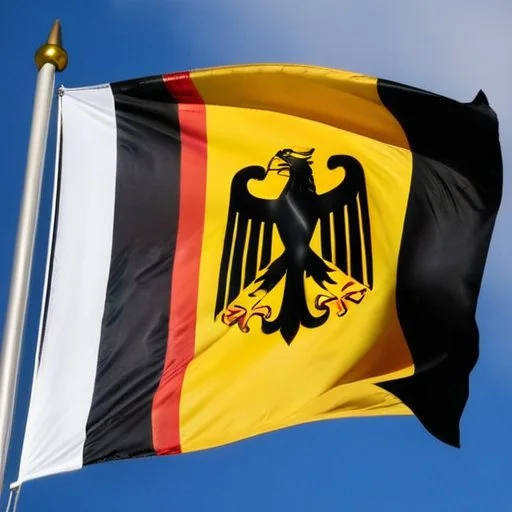
Operation Anton must be viewed within the broader context of World War II and the struggle for European dominance. The German occupation of the Zone Libre was a critical component of the Nazi war effort, as it provided a strategic foothold on the French coast and allowed for the deployment of troops and resources to other theaters.
The operation was also a response to the Allies' gains in North Africa, as the Germans sought to consolidate their control over Western Europe and prevent a potential invasion. The fall of the Zone Libre had far-reaching implications for the balance of power in Europe, as it cemented the Nazi grip on France and forced the Allies to reassess their strategy.
Historians have long debated the significance and implications of Operation Anton, with some viewing it as a brutal and cynical move by the Nazis to crush French autonomy, while others see it as a necessary response to the Allies' growing momentum.
Recent scholarship has focused on the role of the Vichy regime in facilitating the occupation, and the complex web of relationships between French collaborators and the Nazi authorities. The debate continues to this day, as historians seek to understand the motivations and consequences of this pivotal event in French history.