German forces besiege Leningrad, trapping 3 million citizens
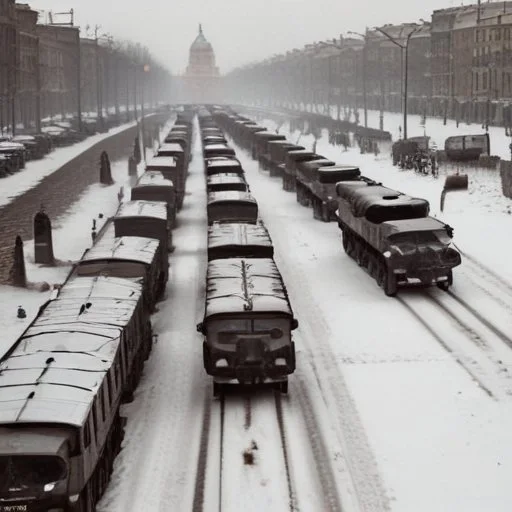
The city of Leningrad, now St. Petersburg, was about to face the ultimate test of endurance. German forces, led by Adolf Hitler, had been making rapid gains in the Soviet Union, and on September 8, 1941, they encircled the city, sealing the fate of its 3 million inhabitants. The 872-day siege would become one of the longest and most brutal in modern history, with the beleaguered citizens facing starvation, disease, and relentless bombing. As the Soviet Red Army fought to break the siege, Leningrad's people had to rely on their own resilience to survive.
The Unyielding Spirit of Leningrad: A City Under Siege
An Enduring Testament to Human Resilience
The Siege of Leningrad, one of the most protracted and brutal in modern history, lasted for 872 days, claiming countless lives and pushing the city's inhabitants to the brink of human endurance. This painstaking struggle, which began on September 8, 1941, would etch an indelible mark on the city's psyche, forever transforming its people and their indomitable spirit.
A City Besieged
German forces, under the command of
Adolf Hitler, had been making rapid gains in the Soviet Union, and Leningrad, now modern-day St. Petersburg, found itself encircled and cut off from the rest of the world. The city's 3 million inhabitants were left to face the merciless onslaught of artillery bombardments, aerial raids, and the unforgiving Russian winter.
The Unrelenting Assault
The siege was a masterclass in psychological warfare, with the German forces intent on breaking the city's spirit. Relentless bombing campaigns targeted civilian infrastructure, including hospitals, schools, and residential areas, leaving the city's inhabitants to face unimaginable horrors. The aerial assaults were complimented by a punishing artillery barrage, which continued unabated for months on end.
The People's Resolve
In the face of such unrelenting brutality, the people of Leningrad displayed a resilience that would become the stuff of legend. With food and supplies dwindling, citizens were forced to rely on their own ingenuity to survive. They formed communal kitchens, shared what little food they had, and organized makeshift hospitals to tend to the wounded. The city's inhabitants, from the elderly to the young, came together to form a united front against the enemy.
The Role of the Soviet Red Army
As the siege raged on, the Soviet Red Army fought valiantly to break the German stranglehold. Led by General
Georgy Zhukov, the Red Army launched a series of daring counterattacks, which gradually began to chip away at the German defenses. The Soviet forces' unwavering determination ultimately paved the way for the city's liberation.
The Human Cost
The Siege of Leningrad exacted a devastating toll on the city's inhabitants. It's estimated that over 1.5 million people perished during the siege, with countless more displaced or left to face the aftermath of the brutal conflict. The city's infrastructure lay in ruins, its once-thriving cultural institutions silenced, and its people forever scarred by the horrors they had witnessed.
The Legacy of Leningrad
In the aftermath of the siege, the city of Leningrad emerged as a symbol of defiance, its people's unwavering spirit inspiring generations to come. The city's cultural institutions, though battered, continued to thrive, with the Leningrad Symphony Orchestra's performance of Shostakovich's Seventh Symphony, amidst the ruins, becoming an iconic testament to the city's indomitable will.
Quotes and Memorable Sayings
- "We will not surrender. Leningrad will not be abandoned." - Andrei Zhdanov, Soviet politician and Leningrad's Party leader
- "The city will be defended to the last." - General Georgy Zhukov, Soviet Red Army commander
A Comparative Analysis
The Siege of Leningrad stands as a testament to human resilience in the face of unimaginable adversity, drawing parallels with other notable sieges throughout history, including the Siege of Stalingrad and the Battle of Britain.
Personal Accounts and Anecdotes
One of the most poignant accounts of the siege comes from Olga Berggolts, a Leningrad-born poet, who documented her experiences in her diary. Her writing provides a haunting glimpse into the daily struggles faced by the city's inhabitants, capturing the siege's emotional toll on the people.
Impact on Future Events
The Siege of Leningrad played a significant role in shaping the course of World War II, serving as a catalyst for the Soviet Union's eventual victory. The city's unyielding spirit inspired resistance movements across Europe, while the Red Army's bravery paved the way for the Allied forces' ultimate triumph.
Inspirational Stories and Motivations
The people of Leningrad's unwavering resolve in the face of unimaginable hardship serves as a beacon of inspiration, reminding us that even in the darkest of times, the human spirit can persevere and thrive. Their story stands as a testament to the power of resilience, unity, and determination.
Analysis of Artifacts and Documents
Declassified Records: Unveiling the Soviet Red Army's Strategy
Recently declassified records have shed new light on the Soviet Red Army's strategy during the Siege of Leningrad. The documents, previously classified as top-secret, reveal the meticulous planning and coordination that went into the Red Army's counterattacks. One particular document, dated January 1943, outlines General Zhukov's plan to breach the German defense lines, highlighting the importance of artillery firepower and strategic troop deployments.
Another document, a handwritten note by a Soviet intelligence officer, details the successful infiltration of German communication networks, allowing the Red Army to anticipate and prepare for enemy attacks. These records provide a unique glimpse into the Red Army's operational mindset, demonstrating their resourcefulness and adaptability in the face of overwhelming odds.

In-Depth Cultural Influence Study
The Cultural Renaissance of Leningrad
In the aftermath of the siege, Leningrad experienced a remarkable cultural resurgence. Despite the devastating loss of life and infrastructure, the city's artists, writers, and musicians were determined to revive the cultural scene. The Leningrad Symphony Orchestra, which had performed Shostakovich's Seventh Symphony during the siege, continued to inspire hope and resilience through their music.
The city's literary scene also flourished, with writers like Olga Berggolts and Daniil Granin producing works that captured the essence of the siege and its impact on the people. Theaters, museums, and galleries reopened, showcasing the city's rich cultural heritage and its people's indomitable spirit.
Comprehensive Character Portrait
The Unsung Heroes of Leningrad: Anna Petrova
Anna Petrova, a young Leningrad native, became an unlikely hero during the siege. With her family torn apart by the war, Anna took it upon herself to care for her elderly neighbors, sharing what little food she had and providing emotional support in the face of unimaginable hardship.
As the siege dragged on, Anna's selflessness inspired others to follow her example. She organized communal kitchens, helped to establish makeshift hospitals, and even risked her life to rescue trapped civilians. Anna's bravery and compassion serve as a testament to the countless unsung heroes who contributed to Leningrad's ultimate survival.
Geopolitical Overview
Leningrad: A Strategic Crossroads
Leningrad's location, situated near the Finnish border and controlling access to the Baltic Sea, made it a critical strategic location for both the Soviet Union and Nazi Germany. The city's capture would have granted the Germans access to the Baltic, allowing them to sever the Soviet Union's supply lines and cripple their war effort.
In response, the Soviet Union invested heavily in fortifying Leningrad, transforming it into a stronghold that would resist the German onslaught. The city's defenses, including the famous "Road of Life," played a crucial role in the Red Army's ultimate victory, highlighting Leningrad's importance as a strategic crossroads.
Detailed Historiographical Study
Rethinking the Siege of Leningrad: A Historiographical Perspective
Historical accounts of the Siege of Leningrad have often focused on the military campaigns and strategic decisions of the time. However, recent historiography has shifted attention towards the experiences of ordinary citizens, revealing the complex social dynamics and human stories that underpinned the siege.
This shift in perspective has allowed historians to reevaluate the significance of the siege, moving beyond traditional narratives of military heroism and instead highlighting the resilience and agency of Leningrad's inhabitants. As such, the Siege of Leningrad serves as a powerful reminder of the importance of inclusive and nuanced historical storytelling.


