The Battle of Bataan, fought during World War II, is infamous for being one of the most brutal and decisive battles in the war, marking a critical turning point in the conflict. This grueling 99-day battle, which commenced on January 7, 1942, saw Japanese forces launch a relentless assault on the United States and Filipino troops stationed on the Bataan Peninsula in the Philippines, pushing the defenders to the brink of collapse.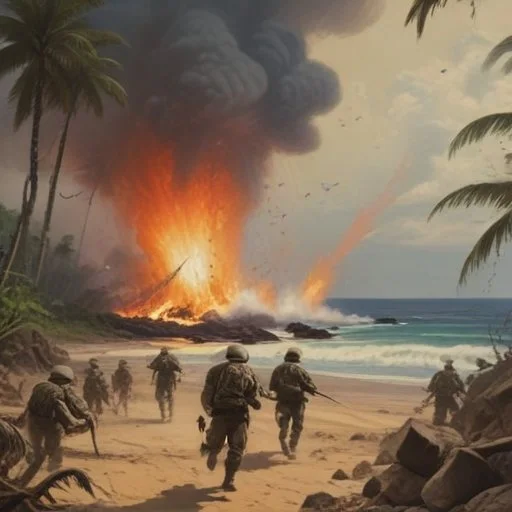
In the months leading up to the battle, the Japanese had been gradually gaining ground in Southeast Asia, and the Bataan Peninsula, a narrow 30-mile strip of jungle and beaches, had become a vital stronghold against the enemy's advance. The Allied forces, comprising American and Filipino troops, were tasked with holding this strategic location, but they were woefully undersupplied and outnumbered.
January 7, 1942: The Japanese launch a surprise attack on the Bataan Peninsula, catching the Allied forces off guard.
February 1942: The Battle of the Points, a series of intense skirmishes, takes place as the Japanese attempt to break through the Allied lines.
March 1942: The Japanese launch a major offensive, pushing the defenders back to their final stronghold, the Orion-Bagac line.
April 9, 1942: General Wainwright orders the surrender of the Bataan forces, marking the end of the battle.
The Battle of Bataan resulted in one of the largest surrenders in American history, with over 76,000 Filipino and American troops laying down their arms. The defeat led to the Philippines falling under Japanese occupation, and the Allied forces suffered heavy casualties, including the infamous Bataan Death March, in which thousands of prisoners were forced to march through the jungle with minimal supplies and subject to brutal treatment.
The Battle of Bataan has left an indelible mark on the cultural psyche of both the United States and the Philippines. The bravery and sacrifice of the defenders have inspired countless books, films, and songs, ensuring that the memory of the battle remains alive.
The Battle of Bataan has been shrouded in controversy, with many questioning the decisions of General MacArthur and the U.S. government's handling of the battle. The treatment of Filipino soldiers, who were denied equal pay and benefits, has been a long-standing point of contention.
"We must fight to the last man, or we will be dishonored." - General Douglas MacArthur
"The fall of Bataan is a bitter pill to swallow, but we will learn from our mistakes and emerge stronger." - General Jonathan M. Wainwright
The Battle of Bataan bears striking similarities to the Battle of Stalingrad, fought during the same period, in which the Soviet Red Army resisted the German advance, albeit with more success.
One of the most poignant accounts of the battle comes from Captain William Dyess, who witnessed the brutal treatment of Filipino soldiers at the hands of their Japanese captors.
The lessons learned from the Battle of Bataan have influenced military strategy and tactics, with a greater emphasis placed on logistics, supply chain management, and the importance of combined arms operations.
The Battle of Bataan has inspired numerous charitable organizations and initiatives, including the Bataan Memorial Foundation, which works to preserve the memory of the battle and provide aid to veterans.
The bravery and resilience of the defenders of Bataan have inspired generations of soldiers and civilians alike, serving as a testament to the power of courage in the face of adversity.