


On June 22, 1941, Nazi Germany launched Operation Barbarossa, the largest military operation in history, as three million German soldiers stormed across the Soviet border, catching the Red Army off guard and sparking a brutal, four-year struggle that would decide the fate of World War II. This daring gamble by Adolf Hitler aimed to capture Moscow, seize Soviet resources, and eliminate the communist threat.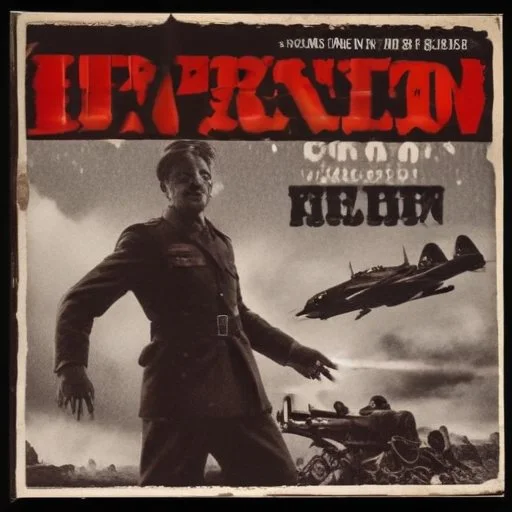
In the years leading up to Operation Barbarossa, Germany and the Soviet Union had maintained a fragile non-aggression pact, but Hitler's long-term strategy involved conquering the Soviet Union to secure resources, living space, and racial purity. The Soviet Union, under the leadership of Joseph Stalin, was wary of German intentions and began to mobilize its military in response to German troop movements.
The operation began on June 22, 1941, with a massive artillery barrage along the Soviet border. The German army made rapid gains, capturing key cities and territories, including Minsk, Smolensk, and Kiev. However, the Soviet Union refused to surrender, and the campaign bogged down in a brutal and costly war of attrition.
Operation Barbarossa resulted in:
Operation Barbarossa had a profound impact on Soviet society and culture, including:
The operation remains shrouded in controversy, with debates surrounding:
"We have only to kick in the door, and the whole rotten structure will come crashing down." – Adolf Hitler, on the eve of Operation Barbarossa
The scale and brutality of Operation Barbarossa invite comparison with other major military campaigns, including the Nazi invasion of Poland and the Allied invasion of Normandy.
One Soviet soldier, Lev Lvovich, recalled the initial invasion: "We were completely unprepared... The Germans were like a storm, sweeping everything before them."
Operation Barbarossa marked a turning point in World War II, as the Soviet Union became a major Allied power and played a crucial role in the eventual defeat of Nazi Germany.
June 22, 1941: The German army launches Operation Barbarossa, invading the Soviet Union.
July 1941: German forces capture Smolensk, marking a significant early victory.
December 1941: The Soviet Union launches a counterattack, halting the German advance.
1942-1945: The war grinds on, with both sides suffering heavy losses.
May 9, 1945: Germany surrenders, marking the end of World War II in Europe.
Operation Barbarossa was originally planned to last only six weeks, but it dragged on for four years.
The Soviet Union suffered more casualties during World War II than any other Allied power.
If Operation Barbarossa had succeeded, it is likely that Nazi Germany would have emerged as the dominant power in Europe, with profound implications for world history.
The German army's advance into the Soviet Union was marked by a series of rapid conquests, with the capture of Minsk, Smolensk, and Kiev within the first few weeks of the operation. However, as the German army pushed deeper into Soviet territory, they began to encounter stiffer resistance and logistical challenges. The Soviet army, led by General Georgy Zhukov, rallied and launched a series of counterattacks, slowing the German advance and ultimately halting it at the gates of Moscow.
The failure to capture Moscow marked a turning point in the war, as the German army became bogged down in a costly and brutal winter campaign. The Soviet Union, meanwhile, continued to mobilize its vast resources and population, pouring troops and supplies into the battle. As the war dragged on, the German army found itself facing a determined and increasingly powerful foe.
The Soviet Union's ability to mobilize its population and resources was a key factor in its ultimate victory. The country's vast territory and population allowed it to absorb the initial German blow and then launch a series of counterattacks that eventually pushed the German army back. The Soviet Union's industrial base, meanwhile, was able to produce vast quantities of tanks, planes, and other war materiel, allowing the Soviet army to maintain a quantitative advantage over its German counterpart.
Heinz Guderian, one of the key architects of Operation Barbarossa, was a brilliant and ambitious military commander. Born in 1888, Guderian was a career soldier who rose through the ranks of the German army during the interwar period. He was a strong advocate for the development of armored warfare, and his theories on the use of tanks and mobile warfare were instrumental in shaping the German army's strategy during World War II.
Guderian's leadership during Operation Barbarossa was marked by a series of rapid conquests, as his panzer forces swept across the Soviet Union, capturing key cities and territories. However, his relationship with Hitler was strained, and the two men clashed over military strategy and tactics. Guderian was eventually relieved of his command in 1941, but he continued to play a key role in the German war effort until the end of the war.
Operation Barbarossa had a profound cultural impact on the Soviet Union, as the country mobilized to defend itself against the German invasion. The war effort required the mobilization of women and children, who played a crucial role in the war effort. Women, in particular, took on new roles in the workforce and in agriculture, as men went off to fight.
The war also had a significant impact on Soviet literature and art, as writers and artists struggled to come to terms with the horror and destruction of the war. Many of the most famous Soviet writers, including Aleksandr Fadeyev and Konstantin Simonov, wrote about the war and its impact on Soviet society.
The failure of Operation Barbarossa marked a significant turning point in World War II, as the Soviet Union emerged as a major Allied power. The Soviet Union's ability to resist the German invasion and ultimately defeat the German army marked a major shift in the balance of power in Europe.
The war also had a significant impact on the Soviet Union's international relations, as the country became a major player in international affairs. The Soviet Union's participation in the Allied victory marked the beginning of a new era of superpower relations, as the Soviet Union and the United States emerged as the two dominant powers in the post-war world.
Operation Barbarossa was a key component of Nazi Germany's broader strategy of territorial expansion and racial purity. The invasion of the Soviet Union was motivated by a desire to capture living space and resources for the German people, as well as to eliminate the perceived threat of communism.
The war also had a significant impact on the global balance of power, as the Soviet Union's emergence as a major Allied power marked a significant shift in the balance of power in Europe. The war also led to the eventual division of Europe into Eastern and Western blocs, with the Soviet Union and the United States emerging as the two dominant powers in the post-war world.