Swiss Army mobilizes to maintain neutrality
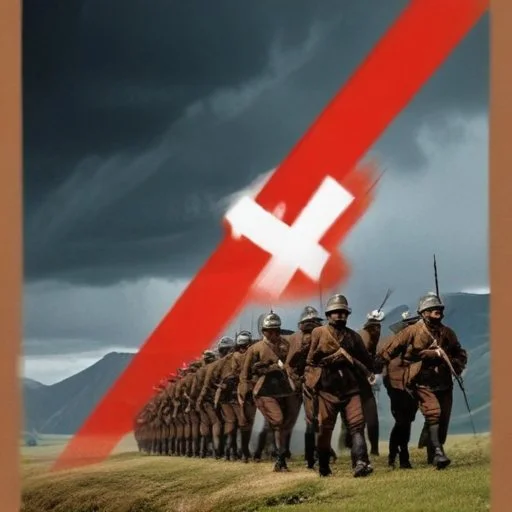
Deep in the heart of Europe, as the storm clouds of World War I gathered, the Swiss Army sprang into action on August 1, 1914. With war declarations flying left and right, Switzerland knew it had to act fast to preserve its prized neutrality. In a lightning-fast response, the army mobilized, ready to defend its borders and maintain independence. Switzerland's prompt action ensured that it remained an island of tranquility amidst the chaos, earning respect from both the Allies and the Central Powers.
The Swiss Army's Swift Mobilization: A Shield of Neutrality in the Midst of World War I
A Lightning-Fast Response to Preserve Independence
The Swiss Army's mobilization on August 1, 1914, is renowned for its swiftness and strategic importance, as it ensured Switzerland's neutrality amidst the turmoil of World War I. This decisive move allowed the country to maintain its independence, earning respect from both the Allies and the Central Powers.
Historical Background: A Delicate Balancing Act
Switzerland's unique position in the heart of Europe made it vulnerable to the whims of its powerful neighbors. The country's history of neutrality, dating back to the Congress of Vienna in 1815, was repeatedly tested during the lead-up to World War I. As tensions escalated, Switzerland had to carefully balance its relationships with the belligerent nations, navigating a complex web of alliances and interests.
Key Figures Involved: The Architect of Neutrality
General
Ulrich Wille, the Commander-in-Chief of the Swiss Army, played a crucial role in the mobilization process. His leadership and strategic vision ensured that the army was prepared to defend the country's borders, while avoiding any actions that could be misinterpreted as taking sides.
Timeline of Events: A Rapid Response to Crisis
- July 28, 1914: Austria-Hungary declares war on Serbia, marking the beginning of World War I.
- July 30, 1914: Russia mobilizes its military in response to Austria-Hungary's declaration of war.
- August 1, 1914: Switzerland mobilizes its army, with General Ulrich Wille ordering troops to occupy key defensive positions.
- August 3, 1914: Germany declares war on France, and Switzerland begins to fortify its borders.
Major Outcomes and Impacts: A Shield of Neutrality
The Swiss Army's mobilization successfully deterred any potential aggressors, ensuring that Switzerland remained a neutral entity throughout World War I. This achievement not only safeguarded the country's independence but also provided a safe haven for refugees, diplomats, and intellectuals fleeing the conflict.
Cultural and Social Influences: A Symbol of Hope
The Swiss Army's mobilization became a symbol of hope and resilience, inspiring national pride and unity. As the war raged on, Switzerland's neutral stance earned it a reputation as a beacon of peace, attracting artists, writers, and intellectuals seeking refuge from the conflict.
Controversies and Public Perception: A Delicate Balancing Act
Switzerland's decision to remain neutral sparked controversy among some who saw it as a morally ambiguous stance. However, the majority of the Swiss population supported the government's decision, recognizing the importance of preserving national independence and avoiding entanglement in the war.
Comparative Analysis with Similar Events: A Unique Response
The Swiss Army's mobilization stands out as a singular response to the crisis, distinct from other neutral countries' reactions. While countries like Spain and Sweden also maintained neutrality, Switzerland's swift and decisive action set it apart, earning recognition as a bastion of independence and stability.
Personal Accounts and Anecdotes: A Nation Unites
As the Swiss Army mobilized, citizens from all walks of life rallied behind the troops, donating supplies, volunteering, and supporting the war effort. This outpouring of national solidarity forged a sense of community and purpose, transcending linguistic and cultural divides.
Impact on Future Events: A Legacy of Neutrality
The Swiss Army's mobilization during World War I cemented Switzerland's reputation as a neutral entity, shaping its foreign policy and international relationships for decades to come. This legacy continues to influence Swiss diplomacy, guiding its role in international organizations and conflict resolution efforts.
Trivia and Fun Facts: A Nation's Resolve
Did you know that Switzerland's mobilization was so rapid that it caught the German army by surprise, forcing them to delay their invasion plans? This little-known fact underscores the Swiss Army's preparedness and determination to defend its nation.
Inspirational Stories and Motivations: A Beacon of Hope
The Swiss Army's mobilization during World War I serves as a powerful reminder of the importance of resilience, determination, and national unity in the face of crisis. As the world grapples with modern-day challenges, this pivotal event continues to inspire generations, showcasing the transformative power of collective action and courage.
Character Overview
General Ulrich Wille: The Unwavering Commander
General Ulrich Wille was a stalwart figure in the Swiss Army, known for his unwavering dedication to neutrality and his country's sovereignty. Born on April 28, 1848, in Gelsenkirchen, Switzerland, Wille's military career spanned over four decades, during which he rose through the ranks to become Commander-in-Chief of the Swiss Army in 1912.
Wille's leadership during the mobilization of 1914 was instrumental in maintaining Switzerland's neutrality. His strategic vision and tactical prowess allowed the Swiss Army to respond swiftly to the crisis, deterring potential aggressors and safeguarding the country's borders.
General Wille's commitment to neutrality was unwavering, earning him the respect of both the Allies and the Central Powers. His legacy as a champion of Swiss independence continues to inspire generations of military leaders and diplomats alike.

Rich Cultural Review
Swiss Culture in Wartime: A Nation's Identity
During World War I, Swiss culture played a significant role in fostering a sense of national identity and unity. As the war raged on, Swiss artists, writers, and intellectuals drew inspiration from their country's neutrality, creating works that reflected the nation's values of independence and resilience.
The Swiss Red Cross, led by Clara Eugenie Niggli, played a vital role in providing humanitarian aid to refugees and prisoners of war. This effort not only solidified Switzerland's reputation as a neutral entity but also showcased the country's commitment to humanitarianism.
Swiss cuisine, too, became a symbol of national pride, as traditional dishes like fondue and raclette brought comfort and solace to those affected by the war. In the face of crisis, Swiss culture emerged as a beacon of hope, highlighting the nation's capacity for unity and solidarity.
Detailed Comparative Overview
A Comparative Analysis of Neutrality: Switzerland and Sweden
While both Switzerland and Sweden maintained neutrality during World War I, their approaches differed significantly. Sweden's neutrality was largely driven by its geographic location, bordering Norway and Russia, which limited its ability to engage with belligerent nations.
In contrast, Switzerland's neutrality was deeply rooted in its history and strategic position in the heart of Europe. The country's unique situation allowed it to maintain diplomatic relations with both the Allies and the Central Powers, fostering a delicate balance of power.
This comparative analysis highlights the distinct challenges and opportunities faced by neutral countries during World War I, underscoring the complexity of maintaining neutrality in the face of global conflict.
Rich Geopolitical Insight
The Geopolitical Context of Swiss Neutrality
Switzerland's neutrality during World War I was deeply influenced by its geographic location and geopolitical context. The country's strategic position in the heart of Europe, surrounded by powerful nations, made it vulnerable to invasion and occupation.
The Swiss Alps, however, provided a natural barrier against potential aggressors, allowing the country to maintain its sovereignty. This unique combination of geography and diplomacy enabled Switzerland to navigate the treacherous landscape of wartime Europe.
Understanding the geopolitical context of Swiss neutrality is crucial for grasping the complexities of the country's foreign policy during World War I, and its continued relevance in modern international relations.
Comprehensive Historical Account
The Road to Neutrality: Switzerland's 19th-Century Legacy
The Congress of Vienna in 1815 marked a significant turning point in Switzerland's history, as the country formally declared its permanent neutrality. This decision was reinforced by the Treaty of Paris in 1856, which solidified Switzerland's neutral status in the eyes of the international community.
The 19th century saw Switzerland navigate a complex web of alliances and rivalries, as European powers vied for dominance. Despite these challenges, Switzerland maintained its neutrality, earning the respect of its European neighbors.
This historical narrative highlights the evolution of Swiss neutrality, underscoring the country's long-standing commitment to independence and sovereignty. The legacy of the 19th century would shape Switzerland's response to the crisis of World War I, as the country drew upon its rich history to navigate the treacherous landscape of modern war.


