


In the annals of fireworks-related disasters, one tragedy stands tall as the deadliest of them all – the Xinjiang 61st Regiment Farm fire, which claimed the lives of 694 personnel on a fateful Chinese New Year. The catastrophic event, which occurred in the midst of festive celebrations, would forever be etched in the collective memory of the Chinese military as a sobering reminder of the unpredictable nature of fire and revelry.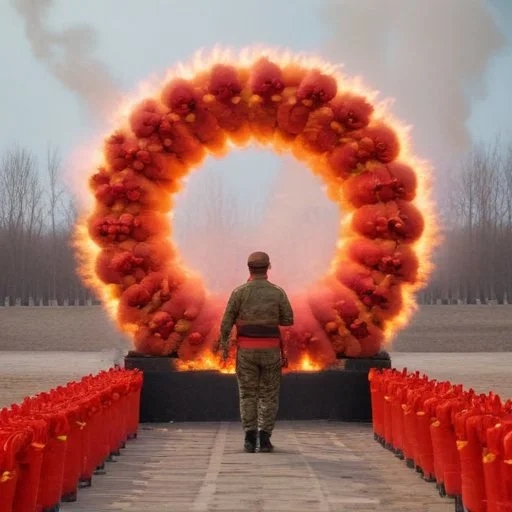
As the Chinese New Year festivities reached their crescendo, the Xinjiang 61st Regiment Farm, a sprawling military base in western China, was adorned with festive decorations, including memorial wreaths dedicated to the late Chairman Mao Zedong. It was on this day, amidst the joyous chaos, that a stray firecracker would ignite the highly flammable wreaths, setting off a devastating chain reaction that would engulf the entire compound.
The Xinjiang 61st Regiment Farm fire was a calamity of unprecedented proportions, leaving behind a scarred military community and a nation in mourning. The sheer scale of the tragedy would prompt a nationwide reevaluation of fire safety regulations and emergency protocols, as well as a renewed focus on the responsible use of fireworks during celebrations.
The Xinjiang 61st Regiment Farm fire serves as a poignant reminder of the delicate balance between cultural tradition and safety. The use of fireworks, a staple of Chinese New Year celebrations, would come under scrutiny in the aftermath of the disaster, with calls for greater regulation and education on their safe use. The tragedy would also spark a national conversation on the importance of prioritizing safety over festive fervor.
In the years following the disaster, allegations of negligence and cover-ups would surface, with some pointing to lax safety standards and inadequate emergency preparedness as contributing factors to the tragedy. The Chinese government would face intense scrutiny, with many calling for greater accountability and transparency in the aftermath of the disaster.
The Xinjiang 61st Regiment Farm fire would leave an indelible mark on the Chinese military and the nation as a whole, serving as a powerful reminder of the importance of safety and caution during celebrations. As the years go by, the tragedy would become a cautionary tale, told and retold to generations of Chinese citizens, serving as a poignant reminder of the devastating consequences of unchecked revelry.
The Xinjiang 61st Regiment Farm fire had a profound impact on Chinese New Year celebrations, prompting a nationwide reevaluation of fire safety regulations and emergency protocols during festive events. The tragedy led to a shift in cultural attitudes towards fireworks, with many calling for greater regulation and education on their safe use.
In the years following the disaster, Chinese New Year celebrations took on a more subdued tone, with many cities and towns implementing stricter safety measures to prevent similar tragedies from occurring. The incident also sparked a national conversation on the importance of prioritizing safety over festive fervor, leading to a more cautious approach to celebratory events.
The Incident's Lasting Legacy on Chinese CultureThe Xinjiang 61st Regiment Farm fire serves as a poignant reminder of the delicate balance between cultural tradition and safety. The tragedy led to a renewed focus on the responsible use of fireworks during celebrations, with many cities and towns implementing stricter safety measures to prevent similar tragedies from occurring.

The Xinjiang 61st Regiment Farm fire had significant economic implications for the Chinese government and the families of the victims. The tragedy led to a massive influx of funds towards disaster relief and emergency response efforts, as well as compensation packages for the families of the deceased.
The incident also led to a significant overhaul of China's fire safety regulations, with new laws and guidelines implemented to prevent similar tragedies from occurring. This led to increased investments in fire safety infrastructure, including the installation of fire alarms, sprinkler systems, and emergency exits in public buildings.
The tragedy had a ripple effect on the Chinese economy, leading to increased spending on disaster prevention and emergency response efforts. The incident served as a catalyst for change, prompting the government to reevaluate its approach to safety and emergency preparedness.
The Xinjiang 61st Regiment Farm fire is one of the deadliest fireworks-related disasters in recorded history. However, it is not the only incident of its kind. Similar tragedies have occurred around the world, highlighting the need for greater regulation and education on the safe use of fireworks.
One notable example is the 2008 Romec fireworks factory explosion in Mexico, which claimed the lives of 17 people and injured dozens more. Another example is the 2014 Taiwan waterpark explosion, which killed 15 people and injured hundreds.
These incidents highlight the need for stricter safety measures and emergency protocols to prevent similar tragedies from occurring. The Xinjiang 61st Regiment Farm fire serves as a powerful reminder of the importance of prioritizing safety over festive fervor.

The Xinjiang 61st Regiment Farm fire has been the subject of much historiographical debate, with scholars disagreeing on the incident's significance and impact on Chinese history. Some have argued that the tragedy marked a turning point in China's approach to safety and emergency preparedness, while others have viewed it as a symptom of deeper structural issues within the Chinese military.
One school of thought views the incident as a symbol of the Chinese government's negligent attitude towards safety, highlighting the need for greater accountability and transparency. Another perspective sees the tragedy as a wake-up call for the Chinese military, prompting a renewed focus on safety and emergency preparedness.
Regardless of interpretation, the Xinjiang 61st Regiment Farm fire remains a significant event in Chinese history, serving as a powerful reminder of the importance of prioritizing safety over festive fervor.
The Xinjiang 61st Regiment Farm fire occurred during a time of great political upheaval in China, with the country still reeling from the aftermath of the Cultural Revolution. The incident took place just two years after the death of Chairman Mao Zedong, and the Chinese government was still grappling with the challenges of rebuilding and reform.
The tragedy highlighted the need for greater stability and security in the region, prompting the government to reevaluate its approach to safety and emergency preparedness. The incident also had significant implications for China's international relations, with many countries offering condolences and assistance in the aftermath of the disaster.
The Xinjiang 61st Regiment Farm fire serves as a powerful reminder of the interconnectedness of global politics, highlighting the need for international cooperation and communication in times of crisis.