


Indulge your taste buds with a touch of luxury on National Caviar Day! Whether you’re a connoisseur of these salty little delicacies or just curious about what all the fuss is about, today’s the perfect day to pop open a tin and pretend you’re at a fancy soirée. Serve it up with some crackers, a dollop of crème fraîche, and channel your inner aristocrat. It’s a day to enjoy the finer things in life, even if only for a bite or two. Cheers to the roe-mantic life!
 Oliver Wren
- (updated: July 17th, 2025 at 9:05AM)
Oliver Wren
- (updated: July 17th, 2025 at 9:05AM)
Ah, National Caviar Day! A sumptuous celebration that invites us all to savor the rich flavors and immerse ourselves in the extravagant traditions that swirl around this luxurious delicacy. This holiday doesn't just honor caviar; it elevates the art of its production, from the meticulous harvesting of sturgeon roe to the intricate dance of preparation and presentation.
Caviar, a delicacy of the highest order, has been tantalizing the taste buds of aristocrats and gourmands for centuries. Its storied history traces back to ancient Persia, where sturgeon roe was first harvested and transformed into a delicacy fit for the elite. Today, caviar stands as a symbol of luxury, often gracing tables alongside the effervescent sparkle of champagne and the sophistication of fine dining.
The creation of caviar is nothing short of an art form. The process begins with the careful extraction of sturgeon roe, followed by a meticulous cleaning and curing process that preserves the roe's delicate flavor and texture. Precision, patience, and an unwavering commitment to quality are paramount. Even the slightest imperfection can compromise an entire batch, making every step a testament to the dedication and skill of the artisans involved.
National Caviar Day offers a delightful opportunity to revel in the craftsmanship and tradition that encircle this luxurious food. Whether you're an experienced connoisseur or a curious newcomer, this holiday provides the perfect excuse to indulge in the finest quality caviar. Pair it with champagne, savor it on crackers, or enjoy it with toast points—each option promises a journey of taste and sophistication.
In the spirit of National Caviar Day, gather your loved ones and delve into the opulent traditions that make this delicacy so enchanting. Relish the rich flavors, appreciate the intricate art of caviar production, and experience the pinnacle of luxury within the comfort of your own home. It’s a celebration that transcends time, inviting you to partake in an age-old tradition that exudes elegance and indulgence.
What is the best way to serve caviar?
Answer: Caviar is traditionally served chilled, using a mother-of-pearl spoon to avoid imparting any metallic flavors. Pair it with champagne, crackers, or toast points, or let it dazzle as a garnish for canapés.
What type of caviar is considered the finest?
Answer: Beluga caviar often takes the crown for its rich, buttery flavor and delicate texture, making it a favorite among connoisseurs.
Can I make my own caviar at home?
Answer: While it's technically possible to make your own caviar, the process demands a high degree of expertise and specialized equipment. It's usually best to leave this delicate task to the experts and simply enjoy the exquisite final product.
In conclusion, National Caviar Day is a tribute to luxury, tradition, and the art of exquisite taste. Whether you're a seasoned aficionado or a curious adventurer, this holiday beckons you to indulge in the finest caviar and experience a slice of opulence that is second to none.
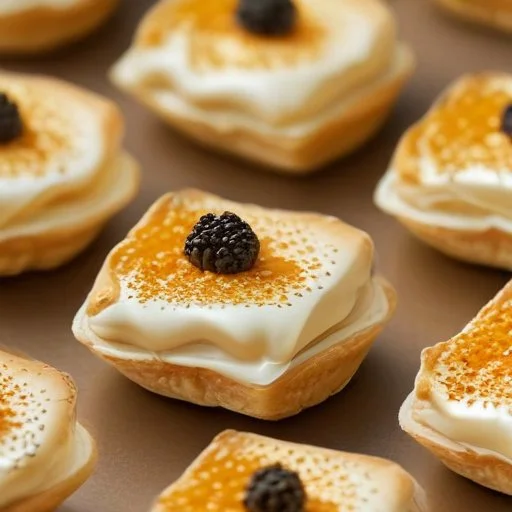
To celebrate National Caviar Day, we've created a recipe that combines the opulence of caviar with the elegance of French patisserie. Introducing the 'Caviar Royale': a delicate, buttery pastry filled with a rich caviar cream and topped with a delicate edible gold leaf. This indulgent treat is sure to impress your loved ones and make your National Caviar Day celebration unforgettable.
Cook Time: 1 hour 15 minutes
Cooking Method: Baking
Category: Dessert
Cuisine: French
Yield: 12 pieces
Suitable For Diet: Gluten-free, Vegetarian

National Butterscotch Pudding Day, 9/19/2025, indulge in rich, creamy, velvety goodness and share with friends and family.more >>
Warm up your winter with a sweet twist on a classic dessert! This festive day is all about sharing and discovering new bread pudding recipes with friemore >>
National Almond Buttercrunch Day, June 29, 2024. Indulge in rich, nutty flavor and creative recipes on this sweet and crunchy holiday.more >>
National Artichoke Heart Day, 3/16/2026: Discover the unique flavor and versatility of artichoke hearts in various dishes and recipes.more >>
National Bavarian Crepes Day on 3/22/2025: Learn if this holiday is real or made-up and discover general information on crepes and Bavarian culture.more >>