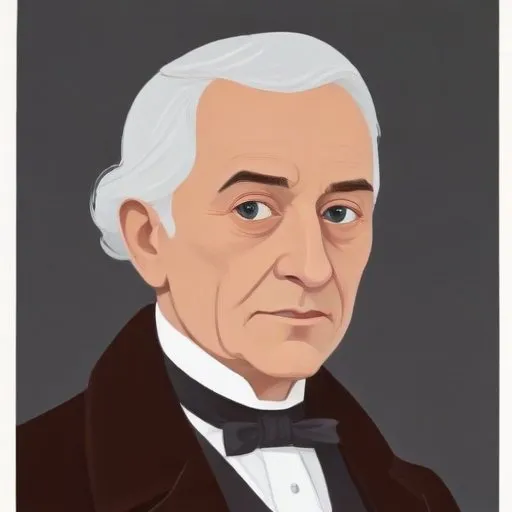
A. N. Sherwin-White: A Luminous Scholar of Ancient History
Academic Eminence: A Life Dedicated to Unveiling the Past
A. N. Sherwin-White, a British academic and ancient historian, is renowned for his seminal works on Roman citizenship, Roman law and society, and his groundbreaking commentary on the letters of Pliny the Younger. Through his meticulous research and erudite writings, Sherwin-White has left an indelible mark on the field of ancient history, earning him a reputation as one of the greatest scholars of the 20th century.
Early Life and Education: Laying the Foundations
Born on 10 August 1911, Sherwin-White was the son of H. N. Sherwin-White, a solicitor employed by the London County Council. After completing his education at Merchant Taylors School from 1923 to 1930, he secured a scholarship to St Johns College, Oxford, where he embarked on the Literae Humaniores course in 1930. Under the guidance of his tutor, Hugh Last, Sherwin-White's interest in Roman administrative history began to take shape.
Academic Achievements: A Trailblazer in Ancient History
Sherwin-White's academic prowess was evident from the outset. He achieved first-class honors in both sets of Oxford examinations, the preliminary Honour Moderations and the more important Finals, which he sat in 1934. His doctoral thesis on Roman citizenship, submitted in 1937, was commended by examiners M. Cary and R. Syme for its maturity of judgment. The thesis was later revised and published as
The Roman Citizenship in 1939, a work that would go on to become a classic in the field.
Career Highlights and Major Works
- Roman Citizenship (1939): A comprehensive study of Roman citizenship, which became a benchmark for future research.
- Roman Society and Roman Law in the New Testament (1963): A groundbreaking treatment of the New Testament from the perspective of Roman law and society.
- The Letters of Pliny: A Historical and Social Commentary (1966): A monumental commentary on the letters of Pliny the Younger, which shed new light on the social and cultural landscape of ancient Rome.
Influence on Modern Society and Historical Context
Sherwin-White's works have had a profound impact on our understanding of ancient Rome and its institutions. His research has shed light on the complexities of Roman citizenship, law, and society, providing valuable insights for historians, scholars, and enthusiasts alike. Through his scholarship, Sherwin-White has facilitated a deeper understanding of the historical context in which the New Testament was written, thereby influencing biblical studies and theology.
Personal Milestones and Awards
- Fellow of St Johns College, University of Oxford
- President of the Society for the Promotion of Roman Studies
- Derby Scholarship and Arnold Historical Essay Prize (1935)
Legacy and Impact on the Field
Sherwin-White's legacy extends far beyond his own research. He has inspired generations of scholars to pursue the study of ancient history, and his works continue to shape our understanding of the ancient world. As a testament to his enduring influence, his publications remain essential reading for students and scholars of ancient history, Roman law, and biblical studies.
FAQ
What was A. N. Sherwin-Whites academic background?
A. N. Sherwin-White was a British historian and academic who earned his degree in classics from St Johns College, Oxford. He later earned his doctorate from the same institution, specializing in ancient history.
What were A. N. Sherwin-Whites areas of expertise?
A. N. Sherwin-White was an expert in ancient history, particularly Roman history, and the history of the Roman Republic. He was also known for his work on Latin literature and epigraphy.
What were A. N. Sherwin-Whites notable publications?
A. N. Sherwin-White published several notable works, including The Roman Citizenship and The Letters of Pliny: A Historical and Social Commentary. His publications are still widely read and respected in the field of ancient history.
What awards and honors did A. N. Sherwin-White receive?
A. N. Sherwin-White was awarded the Fellowship of the British Academy and was elected a Fellow of the Royal Historical Society. He received the James Henry Breasted Prize from the American Historical Association for his work on Roman history.
What was A. N. Sherwin-Whites legacy in the field of ancient history?
A. N. Sherwin-White left a lasting legacy in the field of ancient history, known for his rigorous scholarship and groundbreaking research. His work continues to influence historians and scholars today, shaping our understanding of the ancient world.