


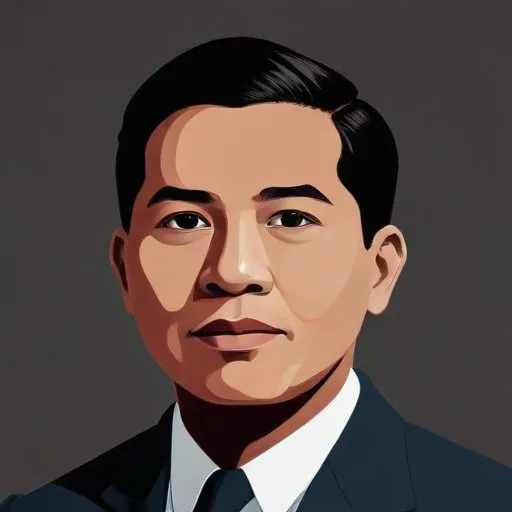
A Filipino journalist and activist who fearlessly exposed government corruption and advocated for human rights, earning him numerous awards and recognition.
Abraham Sarmiento, Jr. is renowned for his pivotal role in shaping the modernization of the Philippines, particularly in the fields of architecture and urban planning. As a trailblazing architect, urban planner, and educator, Sarmiento has left an indelible mark on the country's built environment, transforming the way Filipinos live, work, and interact.
Born on August 21, 1933, in Manila, Philippines, Sarmiento's fascination with architecture and urban planning began at a young age. He pursued his passion at the University of Santo Tomas, earning his degree in architecture in 1956. Sarmiento's academic pursuits didn't stop there; he went on to receive his Master's degree in Urban Planning from the University of the Philippines in 1962.
Sarmiento's illustrious career spans over five decades, marked by numerous notable projects that have redefined the Philippine urban landscape. Some of his most notable works include:
These iconic structures not only showcase Sarmiento's innovative approach to architecture but also reflect his deep understanding of the country's cultural heritage and its people's needs.
Sarmiento's contributions extend far beyond the realm of architecture and urban planning. He has been a vocal advocate for sustainable development, environmental conservation, and social justice. His work has had a profound impact on the way Filipinos interact with their built environment, influencing:
Sarmiento's groundbreaking work has earned him numerous accolades, including:
Sarmiento's work is underpinned by a deep commitment to human-centered design, sustainability, and social responsibility. He firmly believes that architecture and urban planning should prioritize the needs of people, rather than solely focusing on aesthetics or profit.
Abraham Sarmiento, Jr.'s remarkable career has left an indelible mark on the fields of architecture and urban planning. His influence can be seen in the many architects, planners, and policymakers he has inspired and mentored. As a pioneering figure, Sarmiento's work continues to shape the Philippines' built environment, paving the way for a brighter, more sustainable future.
As we look back on Sarmiento's remarkable achievements, we are reminded of his profound impact on the country and its people. His legacy serves as a testament to the power of visionary thinking, innovative design, and unwavering dedication to the betterment of society.
93 Years Old
A Filipino journalist and politician who led the opposition against Ferdinand Marcos' regime, known for his courageous fight for democracy and human rights. Assassinated in 1983, his death sparked the People Power Revolution.
93 Years Old
First female president of the Philippines, led the People Power Revolution, and restored democracy after decades of authoritarian rule.
Born in 1917
A Filipino leader who ruled with an iron fist, implementing martial law and amassing wealth, leaving a legacy of controversy and economic turmoil.
97 Years Old
The 10th First Lady of the Philippines, known for her extravagant lifestyle and shoe collection, which symbolized the excesses of her husband's corrupt regime. She was a powerful figure in her own right, with a strong influence on politics and fashion.
61 Years Old
A human rights lawyer who served as the 14th Vice President of the Philippines, advocating for social justice and democracy. She's known for her tireless efforts to promote transparency and accountability in government.
81 Years Old
The 16th President of the Philippines, known for his controversial and populist leadership style, and his war on drugs that has resulted in thousands of extrajudicial killings.
