


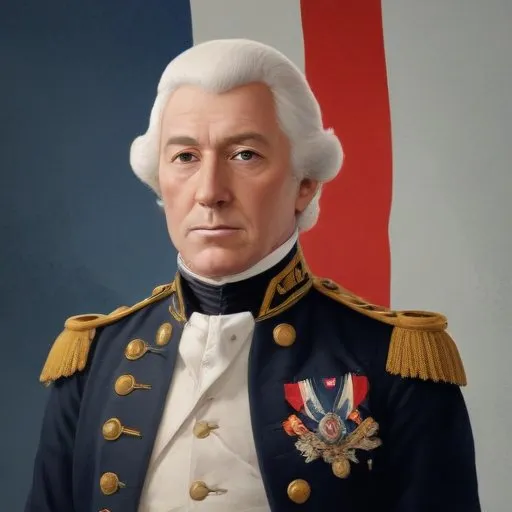
Led a small group of French colonists and native allies in a heroic last stand against the Iroquois Confederacy, buying time for the colonists to escape and earning a legendary status in Canadian history. He's a symbol of bravery and sacrifice in the face of overwhelming odds.
Adam Dollard des Ormeaux, a celebrated figure in New France's history, sacrificed his life in a valiant effort to protect the colony from the Iroquois threat in the 17th century. He is renowned for leading a small group of Frenchmen and Native allies in a daring expedition against the Iroquois, ultimately giving his life in the Battle of Long Sault in 1660.
Born on July 23, 1635, in Lumigny-Nesles-Ormeaux, France, Adam Dollard des Ormeaux arrived in New France in 1658. At the age of 23, he settled in Montreal and embarked on a military career. Although his pre-New France life remains shrouded in mystery, his bravery and leadership skills soon earned him a stellar reputation in the colony.
In the spring of 1660, Dollard received authorization from Paul de Chomedey, Sieur de Maisonneuve, to lead an expedition up the Ottawa River to wage war on the Iroquois. On May 1, 1660, he arrived at the foot of Long Sault, near present-day Carillon, Quebec, with a small contingent of 17 Frenchmen and 44 Native allies. Despite being vastly outnumbered, Dollard and his men prepared to face the Iroquois onslaught.
"Dollard's bravery and tactical genius in the face of overwhelming odds have become the stuff of legend, cementing his status as one of the greatest heroes of New France."
Betrayed by their Algonquin allies, who abandoned them in the heat of battle, Dollard and his men fought valiantly against the Iroquois. Unfortunately, they suffered a crushing defeat between May 9 and May 12, 1660. The entire party, including Dollard, perished in the Battle of Long Sault.
Adam Dollard des Ormeaux's ultimate sacrifice has been immortalized in the history of New France. His bravery and selflessness in the face of overwhelming odds have earned him a revered place in Canadian folklore. As one of the "Saviors of New France," Dollard's sacrifice ensured the survival of Ville-Marie (present-day Montreal) and paved the way for the colony's eventual growth and prosperity.
Adam Dollard des Ormeaux's name has been etched in the annals of Canadian history. Today, his legacy continues to inspire generations, serving as a powerful symbol of bravery, loyalty, and devotion to the country. In his honor, several monuments and landmarks have been dedicated across Quebec, ensuring that his heroic spirit will live on forever.
As we reflect on Adam Dollard des Ormeaux's extraordinary life and tragic death, we are reminded of the profound sacrifices made by those who have shaped the course of Canadian history. His selfless bravery continues to inspire and captivate us, cementing his place as one of the most revered figures in New France's rich heritage.
Born in 1567
French explorer who mapped much of eastern North America, establishing trade and settlement in what is now Canada and the northeastern United States.
Born in 1626
The first Intendant of New France was a key figure in establishing and governing the French colony, overseeing its economic development, and implementing policies to ensure its growth and prosperity. They played a crucial role in shaping the colony's early years.
Born in 1622
A French-Canadian leader who governed New France in the 17th century, known for his military victories and establishing a strong French presence in North America. He played a crucial role in shaping the region's history and development.
Born in 1661
A French-Canadian explorer and politician who established the first French settlement in Louisiana and played a key role in the early history of the American South. He's also known for his military campaigns against the British in North America.
Born in 1491
French navigator and explorer who led three expeditions to North America, mapping the Gulf of St. Lawrence and claiming the region for France. He's also credited with introducing Europeans to the concept of tobacco.
