


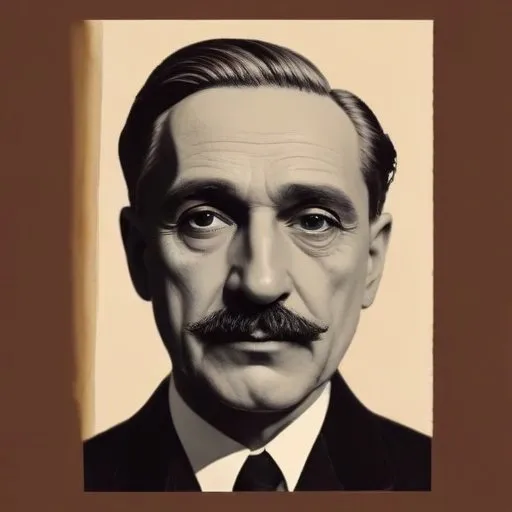
A pioneer of modern architecture, he rejected ornate decorations, advocating for simplicity and functionality, influencing the development of modernist design.
Adolf Loos was a visionary Austrian and Czechoslovak architect, theorist, and polemicist who played a pivotal role in shaping modern architecture. He is best known for his scathing critique of the Art Nouveau movement and his influential manifesto, "Ornament and Crime," which advocated for smooth, clear surfaces and a more modern aesthetic approach.
Loos was born on December 10, 1870, in Brno, to a family of sculptors and stonemasons. His father, a stonemason, died when Loos was just nine years old, leaving a lasting impact on his life. Loos inherited his father's hearing impairment and other health issues, which contributed to his solitary personality.
Loos' unconventional academic journey took him to multiple colleges, where he honed a diverse range of skills that would later serve him well in architecture. His time in America exposed him to the Chicago School of Architecture, and he was deeply influenced by the works of Louis Sullivan and his "form follows function" philosophy.
Loos was a prolific writer, and his literary contributions sparked controversy and debate. His satirical piece, "The Story of a Poor Rich Man," showcased his wit and humor, while his manifesto, "Ornament and Crime," became a rallying cry for modern architects.
Loos' personal life was marked by tumultuous marriages, all of which ended in divorce. In 1928, he was convicted of pedophilia, a scandal that tarnished his reputation.
Despite the controversies, Loos' contributions to modern architecture and design remain unparalleled. His work inspired a generation of architects, and his Raumplan method continues to influence design principles today.
"The house has to please everyone, unlike clothes, which are a matter of personal taste."
"Architecture arouses passions, and passions are what make architecture."
Adolf Loos passed away on August 23, 1933, at the age of 62, in Kalksburg, near Vienna. His legacy, however, continues to shape the world of architecture and design, a testament to the enduring power of his vision and creativity.
Today, Loos is remembered as a pioneering figure who challenged conventions and redefined the boundaries of modern architecture. His work continues to inspire architects, designers, and anyone who appreciates the beauty of functional, modern design.
Born in 1887
A pioneer of modern architecture, famous for designing innovative, functional, and visually striking buildings that transformed urban landscapes. His works continue to inspire architects and designers worldwide.
Born in 1883
A pioneer of modernist architecture, he designed iconic buildings that blended functionality with aesthetics, including the John F. Kennedy Federal Building. His work continues to inspire architects and designers today.
Born in 1886
A pioneering architect who revolutionized modern skyscraper design with sleek, minimalist, and functional buildings that redefined urban landscapes. His iconic creations continue to inspire architects and influence city skylines.
Born in 1876
A renowned pianist and composer, known for his breathtaking technique and poetic interpretations of Chopin's works. He was also a pioneer in piano pedagogy, leaving a lasting legacy in music education.
Born in 1841
A pioneer of modern architecture, he designed iconic buildings that blended functionality with ornate details, shaping Vienna's urban landscape. His works remain a testament to his innovative style.
Born in 1862
Austrian Symbolist master of opulent, gold-leaf adorned paintings and illustrations that explored the human form, often with erotic undertones. His works are synonymous with Viennese Art Nouveau.
Born in 1890
Austrian soldier and painter who captured the intensity of human emotion through bold, expressive portraits and landscapes, often exploring themes of death, sexuality, and the human condition.
