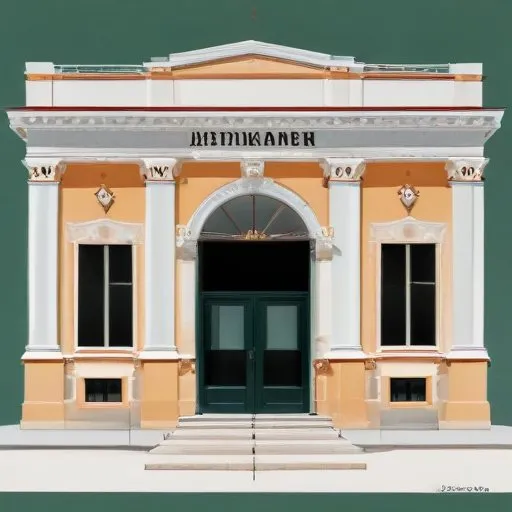
Otto Wagner

Otto Wagner

Otto Wagner was born on July 13th, 1841

Nationality: Austrian
Occupation: Architect
Born: July 13, 1841
Died: April 11, 1918
Place of Birth: Vienna, Austria
Zodiac Sign: Cancer
Notable Works: Austrian Postal Savings Bank
Profession: Architect

A pioneer of modern architecture, he designed iconic buildings that blended functionality with ornate details, shaping Vienna's urban landscape. His works remain a testament to his innovative style.

Timeline
1841
Born in Austria
Otto Wagner was born in Austria, going on to become a famous architect.
1861
Studied Architecture
Wagner studied architecture, starting his journey as a designer.
1894
Designed the Austrian Postal Savings Bank
Wagner designed the Austrian Postal Savings Bank, a notable example of his work.
1899
Designed the Karlsplatz Stadtbahn Station
Wagner designed the Karlsplatz Stadtbahn Station, a famous example of his architectural style.
1918
Died in Austria
Wagner passed away in Austria, leaving behind a legacy as a renowned architect.
Otto Wagner

Otto Wagner Quiz

What style of architecture is Otto Wagner known for?

Score: 0/5
FAQ
What is Otto Wagners contribution to Viennas urban development?
Otto Wagner was a pioneering Austrian architect who made significant contributions to Viennas urban development in the late 19th and early 20th centuries. His designs for the Austrian Postal Savings Bank and Karlsplatz Stadtbahn Station showcased his innovative use of materials and modernist style.
What is Otto Wagners most famous architectural work?
Otto Wagners most famous architectural work is the Austrian Postal Savings Bank, a masterpiece of modernist architecture that blends functionality with aesthetic appeal.
What was Otto Wagners role in the Vienna Secession movement?
Otto Wagner was a key figure in the Vienna Secession movement, a group of artists and architects who sought to break away from traditional artistic and architectural styles and promote modernism and innovation.
What was Otto Wagners approach to urban planning?
Otto Wagners approach to urban planning emphasized functionality, simplicity, and modernity. He believed in designing buildings and spaces that were functional, efficient, and aesthetically pleasing.
What is Otto Wagners legacy in the world of architecture?
Otto Wagners legacy in the world of architecture is profound. He influenced generations of architects and designers, and his work continues to inspire and influence contemporary architecture and urban planning.

Related People:

Gustav Klimt

Born in 1862

Austrian Symbolist master of opulent, gold-leaf adorned paintings and illustrations that explored the human form, often with erotic undertones. His works are synonymous with Viennese Art Nouveau.

Egon Schiele

Born in 1890

Austrian soldier and painter who captured the intensity of human emotion through bold, expressive portraits and landscapes, often exploring themes of death, sexuality, and the human condition.

Oskar Kokoschka

Born in 1886

Austrian-Swiss artist who pioneered Expressionism through vibrant, emotive paintings and plays that explored the human condition. His works often featured distorted forms and bold colors.

Josef Hofmann

Born in 1876

A renowned pianist and composer, known for his breathtaking technique and poetic interpretations of Chopin's works. He was also a pioneer in piano pedagogy, leaving a lasting legacy in music education.

Adolf Loos

Born in 1870

A pioneer of modern architecture, he rejected ornate decorations, advocating for simplicity and functionality, influencing the development of modernist design.

Hector Guimard

Born in 1867

Charles Rennie Mackintosh

Born in 1868

A pioneering figure in the Glasgow School of Art, this visionary blended elegant lines, flowing curves, and organic forms to create iconic furniture, textiles, and buildings that epitomize Art Nouveau style.

Victor Horta

Born in 1861