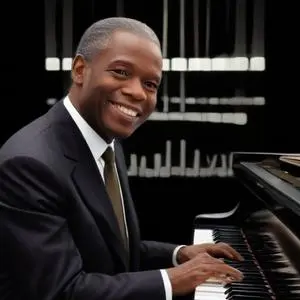
Ahmad Jamal: The Pioneering Jazz Pianist and Educator
A Legacy of Innovation and Contribution
Ahmad Jamal, born Frederick
Russell Jones, was an American jazz pianist, composer, bandleader, and educator, renowned for his groundbreaking style, which blended traditional and modern elements, shaping the course of jazz music for over six decades. With his unique approach, Jamal earned a reputation as one of the most successful small-group leaders in jazz, receiving numerous accolades, including a National Endowment for the Arts (NEA) Jazz Master award and a Lifetime Achievement Grammy.
Early Life and Development
Born on July 2, 1930, in Pittsburgh, Pennsylvania, Jamal began playing piano at the age of three, inspired by his uncle Lawrence. He received formal training at seven under Mary Cardwell Dawson, who greatly influenced his development. Jamal's Pittsburgh roots remained an integral part of his identity, and he drew inspiration from local jazz legends, including
Earl Hines,
Billy Strayhorn, Mary
Lou Williams, and Erroll Garner.
Early Career and Milestones
Jamal began his professional piano career at fourteen, quickly gaining recognition as a prodigious talent. He studied with pianist James Miller and toured with George Hudson's Orchestra after graduating from
George Westinghouse High School in 1948. In 1950, Jamal moved to Chicago, performing with local musicians Von Freeman and Claude McLin, and solo at the Palm Tavern, occasionally accompanied by drummer Ike Day.
Philosophical Contributions and Beliefs
Jamal's artistic vision was deeply rooted in his spiritual beliefs. Born to Baptist parents, he became interested in Islam and Islamic culture, which influenced his approach to music. Jamal's philosophy centered on the importance of individuality, creativity, and innovation, reflecting his commitment to pushing the boundaries of jazz.
Major Works and Career Highlights
Throughout his illustrious career, Jamal released numerous critically acclaimed albums, including "Live at the Pershing: But Not for Me" (1958), "At the Top: Ahmad Jamal Trio" (1969), and "I Remember Duke, Hoagy & Strayhorn" (1994). His compositions, such as "Poinciana" and " Ahmad's Blues," have become jazz standards.
Influence on Modern Society
Jamal's impact on modern society extends beyond the realm of jazz. His innovative style and approach have influenced generations of musicians across genres, including funk, R&B, and hip-hop. His legacy continues to inspire musicians, composers, and educators, ensuring his contributions to music history remain timeless.
Historical Context and Legacy
Ahmad Jamal's significance in the history of jazz is undeniable. His pioneering spirit, innovative approach, and dedication to music education have left an indelible mark on the genre. As a National Endowment for the Arts (NEA) Jazz Master and Lifetime Achievement Grammy recipient, Jamal's legacy serves as a testament to his enduring influence on the world of jazz.
Trivia and Fun Facts
- Jamal's Pittsburgh roots remained an important part of his identity, and he often referenced his hometown in interviews.
- He began playing piano at the age of three, when his uncle Lawrence challenged him to duplicate what he was playing.
- Jamal's practice habits involved thinking about music constantly, rather than intense daily practice.
Charitable Work and Social Contributions
Throughout his career, Jamal was committed to music education and community outreach. He supported various charitable initiatives, including jazz education programs and community arts organizations, ensuring his legacy extended beyond his own music.
Inspirational Stories and Motivations
Ahmad Jamal's life and career serve as a testament to the power of innovation, creativity, and dedication. His remarkable journey, marked by perseverance and passion, inspires generations of musicians, educators, and music lovers alike.
FAQ
What was Ahmad Jamals style of jazz piano?
Ahmad Jamal was known for his unique style of jazz piano, which blended elements of traditional jazz, swing, and Middle Eastern music. He was a master of subtlety and nuance, often using space and restraint to create a distinctive sound.
How did Ahmad Jamals music influence other jazz musicians?
Ahmad Jamals music had a profound impact on other jazz musicians, including Miles Davis, John Coltrane, and Bill Evans. His innovative approach to piano and his use of rhythm and texture paved the way for later generations of jazz artists.
What was Ahmad Jamals role in the development of cool jazz?
Ahmad Jamal was a key figure in the development of cool jazz, a subgenre characterized by its relaxed, introspective sound. His music often featured complex harmonies, subtle rhythms, and a focus on atmosphere and mood.
How did Ahmad Jamals experiences in Pittsburgh shape his music?
Ahmad Jamals experiences growing up in Pittsburghs Hill District had a profound impact on his music. He was exposed to a rich cultural heritage, including jazz, blues, and R&B, which influenced his unique sound.
What awards and honors did Ahmad Jamal receive for his contributions to jazz?
Ahmad Jamal received numerous awards and honors for his contributions to jazz, including a National Medal of Arts, multiple Grammy nominations, and induction into the Jazz Hall of Fame.