


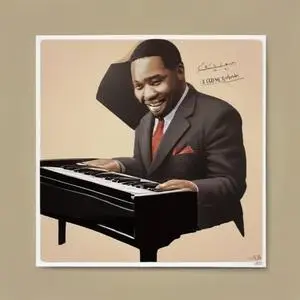
A jazz legend who revolutionized piano playing and composition with unorthodox techniques and harmonies, creating a unique, improvisational style that continues to inspire generations of musicians.
Thelonious Monk, a pioneering American jazz pianist and composer, left an indelible mark on the music world with his unique improvisational style and innovative compositions. With a repertoire of over 70 original songs, including the iconic "Round Midnight," "Blue Monk," and "Straight, No Chaser," Monk's legacy is unparalleled in the jazz landscape.
Born on October 10, 1917, in Rocky Mount, North Carolina, Thelonious Sphere Monk was the son of Thelonious and Barbara Monk. His early life was marked by a move to New York City's San Juan Hill neighborhood, where he was exposed to the vibrant cultural melting pot of the 1920s and 1930s. Monk's fascination with music began at a young age, and he started taking piano lessons at the age of 6.
Monk's playing style was characterized by dissonances, angular melodic twists, and an unconventional use of chord progressions. He often incorporated flat ninths, flat fifths, and unexpected chromatic notes, which added a level of complexity to his compositions. Monk's percussive attack, combined with abrupt silences and hesitations, created a sense of tension and release, making his music both intellectually stimulating and emotionally captivating.
Monk's on-stage persona was as distinctive as his music. He often wore suits, hats, and sunglasses, exuding a sense of cool and sophistication. During performances, Monk would occasionally stop playing, stand up, and dance for a few moments, adding to the mystique of his live shows.
Thelonious Monk is the second-most recorded jazz composer after Duke Ellington, with his music continuing to inspire generations of musicians and fans. He was one of the first jazz musicians to be featured on the cover of Time magazine, solidifying his status as a cultural icon. Monk's legacy extends beyond his music, as he played a significant role in shaping the modern jazz landscape and pushing the boundaries of artistic expression.
Thelonious Monk believed that music should be a reflection of life, with all its complexities and contradictions. He often said, "The piano ain't got no wrong notes," emphasizing the importance of creativity and experimentation. Monk's music embodied this philosophy, as he continually pushed the boundaries of jazz and challenged his audiences to rethink their perceptions of the genre.
Thelonious Monk's life and work spanned a tumultuous period in American history, from the Great Depression to the Civil Rights Movement. As a black man in a predominantly white industry, Monk faced numerous challenges and obstacles, yet he persevered and created a body of work that continues to inspire and influence generations of musicians. Monk's legacy is a testament to the power of creativity and determination, and his music remains a vital part of the American cultural heritage.
Born in 1920
A pioneering jazz saxophonist and composer, known for his lightning-fast solos and innovative bebop style that revolutionized jazz music. 82
Born in 1917
A virtuosic trumpet player and composer who revolutionized jazz with his lightning-fast solos and iconic puffy cheeks, creating a new language for the instrument. He's synonymous with bebop and modern jazz.
Born in 1926
A legendary jazz musician who revolutionized the genre with his improvisational style and iconic albums like "Kind of Blue". He's synonymous with cool, jazzy sophistication.
Born in 1926
A legendary jazz saxophonist and composer who revolutionized the genre with his innovative, spiritually-driven improvisations and iconic albums like "A Love Supreme".
Born in 1915
Legendary jazz vocalist and actress known for her expressive, emotive singing style and iconic songs like "God Bless the Child" and "Strange Fruit".
Born in 1917
A virtuosic jazz vocalist known for her pure, expressive tone, impeccable phrasing, and incredible scat singing abilities. She won 13 Grammy Awards and recorded over 200 albums.
Born in 1901
A legendary jazz musician who revolutionized the genre with his unique trumpet playing and raspy vocals, leaving an indelible mark on American music.
Born in 1904
A legendary jazz pianist and bandleader who led a iconic orchestra, blending swing and blues to create a unique sound that influenced generations of musicians. Known for his distinctive "less-is-more" style and hits like "April in Paris" and "One O'Clock Jump".
