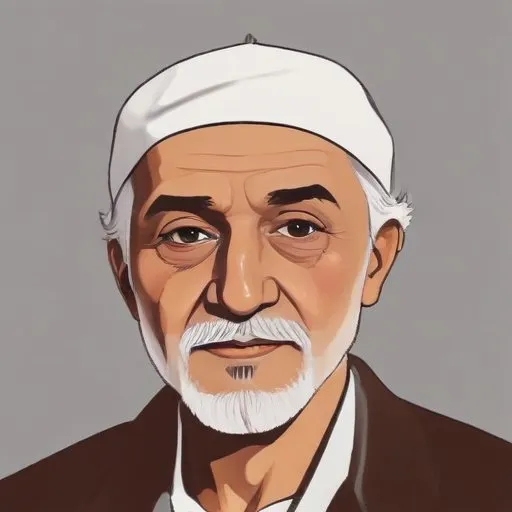
Ahmed Arif: The Kurdish Poet Who Captivated Turkey with His Lyricism
A Life Dedicated to Poetry
Ahmed Arif, a Turkish-Kurdish poet, is known for his unique and captivating poetry that has left an indelible mark on Turkish literature. Born on April 21, 1927, in Diyarbakır, Arif's work is characterized by its original lyricism and imagery, heavily influenced by Anatolian folk cultures.
Despite facing political persecution and imprisonment, Arif's passion for poetry only grew stronger. His poetry, published in various literary journals, resonated deeply with readers, earning him widespread recognition.
Education and Early Life
Arif's father, Arif Hikmet, was an ethnic Turkmen from Kirkuk, while his mother, Sayre, was Kurdish. This unique cultural heritage would later influence his poetry. Ahmed Arif pursued his studies in philosophy at Ankara University, laying the foundation for his future literary endeavors.
The Prison Years: A Period of Reflection and Creativity
In 1950, Arif was arrested on political grounds and spent two years in prison. During this tumultuous period, he continued to write, and his poetry became a reflection of his experiences and emotions. This creative output would later be compiled into his iconic collection, "Hasretinden Prangalar Eskittim" (Fetters Worn Out by Longing), published in 1968.
A Record-Breaking Collection: "Hasretinden Prangalar Eskittim"
This singular collection of poetry has gone through a record number of printings, solidifying Arif's position as a prominent poet in Turkish literature. His poetry's ability to evoke emotions and spark imagination has made it a beloved classic, resonating with readers across generations.
Contributions to Literary Magazines and Collaborations
Arif was a regular contributor to the esteemed literary magazine, Papirs, edited by Cemal Süreya. This platform allowed him to share his work with a broader audience, further cementing his reputation as a master poet.
Legacy and Translation Projects
In 2023, the Paris Institute for Critical Thinking (PICT) embarked on a project to translate Ahmed Arif's poems into English. Two open-access translations, by David Selim Sayers and Evrim Emir-Sayers, have been published online, introducing Arif's work to a global audience.
Personal Milestones and Key Life Events
- Arif's father, Arif Hikmet, was an ethnic Turkmen from Kirkuk, while his mother, Sayre, was Kurdish.
- He was arrested on political grounds in 1950 and spent two years in prison.
- His poetry collection, "Hasretinden Prangalar Eskittim" (Fetters Worn Out by Longing), was published in 1968.
- Arif passed away on June 2, 1991, in Ankara.
Inspirational Story and Motivation
Ahmed Arif's life serves as a testament to the power of creativity and resilience. Despite facing adversity, he continued to write, inspiring generations with his poetry. His legacy is a reminder that art can transcend borders and cultures, speaking directly to the human experience.
FAQ
What is Ahmed Arifs claim to literary fame?
Ahmed Arif is a renowned Turkish poet, novelist, and playwright who is known for his unique blend of realism and surrealism. His works often explore themes of love, politics, and human nature.
What is Ahmed Arifs most famous work?
Ahmed Arifs most famous work is probably Hasret, a novel that explores the complexities of human relationships and the search for meaning in modern life. It is considered a classic of Turkish literature.
What is Ahmed Arifs legacy in Turkish literature?
Ahmed Arifs legacy in Turkish literature is that of a master storyteller who brought a new level of sophistication and complexity to Turkish writing. He is widely regarded as one of the most important Turkish writers of the 20th century.
Has Ahmed Arifs work been translated into other languages?
Yes, Ahmed Arifs work has been translated into numerous languages, including English, French, and German. His writing has gained international recognition and acclaim, cementing his place as a leading figure in world literature.
What is Ahmed Arifs personal life like?
Ahmed Arifs personal life is marked by his strong sense of social justice and his commitment to progressive values. He has been involved in various social and political movements throughout his life, using his writing as a tool for social commentary and critique.