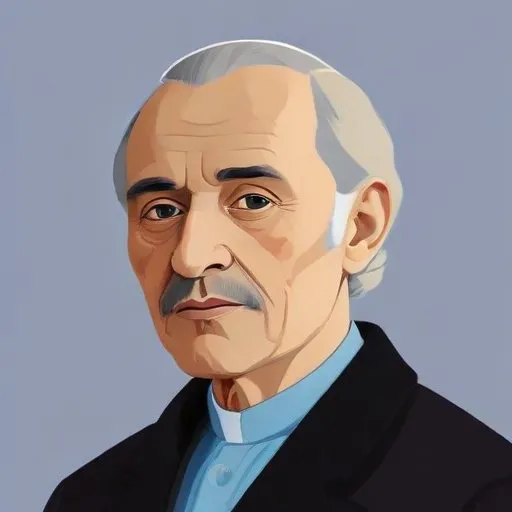
Ain Kaalep: The Esteemed Estonian Poet, Playwright, and Literary Critic
A Master of Words
Ain Kaalep, born on June 4, 1926, was a prolific Estonian poet, playwright, literary critic, and translator, renowned for his extensive contributions to Estonian literature. With a writing career spanning over six decades, Kaalep left an indelible mark on the country's literary landscape, earning him numerous accolades and recognition.
Early Life and Education
Kaalep was born in Tartu, Estonia, and studied at the Hugo Treffner Gymnasium and the University of Tartu, where he graduated in 1956 with a specialization in Finno-Ugric languages. During World War II, he fought as a volunteer in the Finnish Infantry Regiment 200, an experience that would later influence his writing.
Literary Career and Achievements
Kaalep's literary career was marked by his versatility and prolificacy. He published numerous poetry collections, plays, and literary criticisms, showcasing his mastery of the Estonian language. As a translator, he introduced Estonian readers to works by prominent writers such as
Bertolt Brecht,
Hermann Hesse, and
Federico García Lorca, among others. From 1989 to 2001, he served as the editor-in-chief of the esteemed journal Akadeemia.
Awards and Honors
Kaalep's contributions to Estonian literature were recognized with numerous awards and honors, including:
- Juhan Smuul literary award (1977, 1985)
- Juhan Liiv poetry award (1984)
- Estonian State Cultural Awards (1995, 2002)
- Order of the National Coat of Arms, 3rd class (1996)
- Honorary citizen of Elva (1998)
- Officer of the Legion of Honour (2001)
- University of Tartu award for Contribution to Estonian National Identity (2008)
- Wiedemann Language Award (2010)
Legacy and Impact
Ain Kaalep's legacy extends beyond his literary achievements. He was a respected public figure, serving as a member of the Congress of Estonia and holding a one-year professorship of Liberal Arts at the University of Tartu in 2002. His son, Ruuben Kaalep, followed in his footsteps, becoming a politician.
Personal Milestones and Controversies
Kaalep's life was not without challenges. He was imprisoned by the Soviet occupation authorities in Estonia after World War II, an experience that would later influence his writing. Despite facing adversity, Kaalep remained dedicated to his craft, continuing to write and translate until his passing on June 9, 2020.
Remembering Ain Kaalep
Ain Kaalep's remarkable life and literary achievements have left an indelible mark on Estonian culture. His contributions continue to inspire new generations of writers, scholars, and readers, cementing his place as one of the most esteemed figures in Estonian literature.
FAQ
What was Ain Kaaleps early life like?
Ain Kaalep was born on June 3, 1926, in Tartu, Estonia. He grew up in a family of intellectuals and developed a passion for literature and poetry.
What were Ain Kaaleps literary contributions?
Ain Kaalep was a prolific poet, playwright, and critic who wrote over 50 books. He explored themes of love, nature, and Estonian identity in his work.
What awards did Ain Kaalep win for his writing?
Ain Kaalep won several awards for his writing, including the Estonian Soviet Socialist Republics State Prize and the Friedebert Tuglas short story award.
How did Ain Kaaleps writing impact Estonian literature?
Ain Kaaleps writing had a significant impact on Estonian literature, helping to shape the countrys literary identity and inspire future generations of writers.
What is Ain Kaaleps legacy in Estonian literature?
Ain Kaaleps legacy in Estonian literature is that of a masterful storyteller who explored the human experience with depth and nuance. He is celebrated as one of Estonias greatest literary figures.