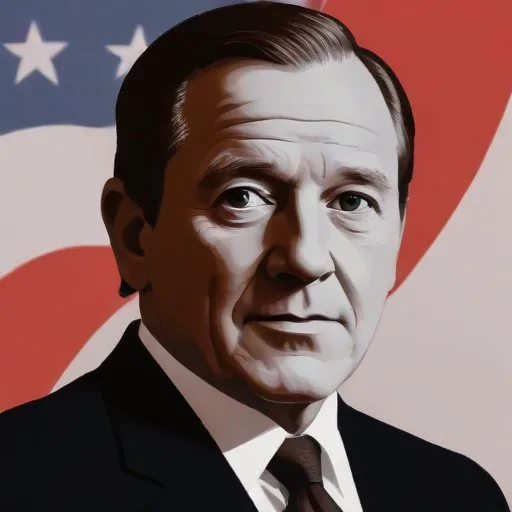
Alan Cranston: The Unwavering Advocate for Global Security and Nuclear Disarmament
A Life of Public Service and Journalism
Alan MacGregor Cranston, a prominent American politician and journalist, left an indelible mark on the world stage. Best known for his unwavering commitment to global security and nuclear disarmament, Cranston served as a United States Senator from California from 1969 to 1993.
Early Life and Education
Born on June 19, 1914, in Palo Alto, California, Cranston was the son of Carol (née Dixon) and William MacGregor Cranston. He attended Pomona College for a year and later studied abroad at the National Autonomous University of Mexico. Cranston graduated from Stanford University in 1936 with a degree in English.
A Career in Journalism and Politics
Before entering politics, Cranston worked as a correspondent for the International News Service for two years. His early career was marked by a notable controversy surrounding his publication of an unedited translation of
Adolf Hitler's Mein Kampf. This bold move sparked a copyright lawsuit from Hitler's publisher, but Cranston's efforts helped expose the Nazi leader's true intentions to the American public.
Cranston's entry into politics began with his election as California State Controller, a position he held before being elected to the U.S. Senate in 1968. He served as the Senate Democratic Whip from 1977 to 1991, earning a reputation as a skilled negotiator and respected leader.
A Presidential Bid and the Nuclear Freeze Movement
In 1984, Cranston sought the Democratic presidential nomination, championing a nuclear freeze during the later stages of the Cold War. Although he eventually dropped out of the race, his advocacy for disarmament continued to shape his career.
The Keating Five and Senate Ethics Committee Reprimand
In 1991, Cranston faced reprimand from the Senate Ethics Committee for his role in the savings and loan crisis as a member of the Keating Five. This controversy led to his decision not to run for a fifth term in the Senate.
Later Life and Advocacy
After retiring from the Senate, Cranston served as president of the Global Security Institute, continuing his tireless work towards the global abolition of nuclear weapons. Diagnosed with prostate cancer in 1991, Cranston remained committed to his cause until his passing on December 31, 2000.
Legacy and Impact
Alan Cranston's unwavering dedication to global security and disarmament has left a lasting legacy in the world of politics and beyond. His contributions to the nuclear freeze movement and his advocacy for a safer, more peaceful world continue to inspire generations of leaders and activists.
- Notable awards and honors: Presidential Medal of Freedom (1999)
- Inspirational quotes: "The only way to win a nuclear war is to prevent it." - Alan Cranston
- Legacy in popular culture: Cranston's commitment to disarmament has been featured in numerous documentaries and films, including "The Man Who Saved the World" (2014)
Conclusion
Alan Cranston's remarkable life and career serve as a testament to the power of dedication, perseverance, and a commitment to creating a better world. His unwavering advocacy for global security and nuclear disarmament continues to inspire and educate, leaving a lasting legacy in the annals of American politics and beyond.
FAQ
What was Alan Cranstons most notable role?
Alan Cranston was an American journalist and politician who served as a United States Senator from California from 1969 to 1993. He was a strong advocate for environmental protection and social justice.
What was Alan Cranstons early life like?
Alan Cranston was born in 1914 in Palo Alto, California. He grew up in a family of modest means and developed a passion for journalism from an early age. He went on to attend Stanford University, where he honed his journalistic skills.
What were Alan Cranstons contributions to environmental policy?
Alan Cranston was a champion of environmental protection and worked to pass landmark legislation, including the Clean Air Act and the Clean Water Act. He also fought to protect Californias natural resources, including the states coastline and redwood forests.
What awards and honors did Alan Cranston receive?
Alan Cranston received numerous awards and honors for his work on environmental policy, including the Sierra Clubs John Muir Award and the League of Conservation Voters Lifetime Achievement Award.
What was Alan Cranstons post-political life like?
After retiring from politics, Alan Cranston went on to become a successful author and lecturer. He wrote several books on politics and environmental policy and remained active in the environmental community.