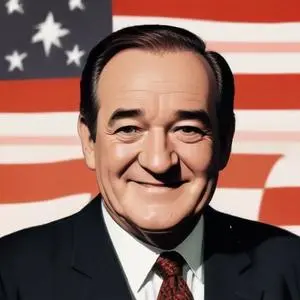
Hubert Humphrey: The Liberal Lion of American Politics
A Champion of Civil Rights and Liberal Ideals
Hubert Humphrey is best known for his unwavering commitment to civil rights and his leadership in the liberal wing of the Democratic Party. As a senator, vice president, and presidential candidate, Humphrey left an indelible mark on American politics, championing progressive causes and advocating for social justice.
Early Life and Political Beginnings
Born on May 27, 1911, in Wallace, South Dakota, Humphrey grew up in a family of modest means. He attended the University of Minnesota, where he developed a passion for politics and social justice. After graduating, he became a professor of political science at Macalester College, where he honed his skills as a leader and an orator.
Rise to Prominence
Humphrey's entry into politics began with his failed campaign for mayor of Minneapolis in 1943. However, this defeat did not deter him, and he went on to co-found the Minnesota Democratic-Farmer-Labor Party (DFL) in 1944. The following year, he was elected mayor of Minneapolis, serving until 1948. During this period, he also co-founded the liberal anticommunist group Americans for Democratic Action in 1947.
Advocate for Civil Rights
Humphrey's most significant contribution to American politics was his relentless pursuit of civil rights. As a senator, he introduced the first civil rights bill in 1949, which aimed to end racial segregation in public facilities. He continued to push for civil rights reforms throughout his career, playing a crucial role in the passage of the Civil Rights Act of 1964.
Vice Presidency and Presidential Ambitions
In 1964, Humphrey was chosen by President
Lyndon B. Johnson as his running mate, and the Democratic ticket won a landslide victory. As vice president, Humphrey supported Johnson's policies on the Vietnam War, which would later become a contentious issue in his presidential campaign. In 1968, Humphrey launched his own presidential bid, but ultimately lost to Republican candidate Richard Nixon.
Legacy and Impact
Hubert Humphrey's legacy is multifaceted. He played a significant role in shaping the liberal agenda of the Democratic Party, advocating for civil rights, social justice, and international cooperation. His commitment to public service and his unwavering optimism inspired generations of politicians and activists.
- Quotes:
- "The greatest joy in life is the expression of oneself."
- "The moral test of government is how that government treats those who are in the shadows of life."
Awards and Honors
Throughout his career, Humphrey received numerous awards and honors, including the Presidential Medal of Freedom in 1980, the highest civilian honor in the United States.
Personal Life and Milestones
Humphrey married Muriel Buck in 1936, and they had four children together. He died on January 13, 1978, leaving behind a legacy of public service and a commitment to social justice.
In conclusion, Hubert Humphrey's life and career serve as a testament to the power of dedication and principle. As a champion of civil rights and liberal ideals, he left an indelible mark on American politics, inspiring future generations to continue the fight for social justice and equality.
FAQ
What was Hubert Humphreys role in American politics?
Hubert Humphrey served as the 38th Vice President of the United States from 1965 to 1969, and was a prominent figure in American politics. He was a leading liberal Democrat and played a key role in shaping the countrys social and economic policies.
What were Hubert Humphreys accomplishments as Vice President?
During his tenure as Vice President, Humphrey was instrumental in passing landmark legislation, including the Civil Rights Act of 1964 and the Voting Rights Act of 1965. He was also a strong advocate for social justice and equal rights.
How did Hubert Humphreys background influence his politics?
Humphreys humble beginnings as a pharmacists son in Wallace, South Dakota, shaped his politics. He was committed to improving the lives of ordinary Americans, and his populist roots influenced his progressive policies.
What was Hubert Humphreys stance on major issues?
Humphrey was a strong advocate for civil rights, healthcare reform, and economic equality. He was also a vocal critic of the Vietnam War, advocating for a negotiated peace settlement.
What legacy did Hubert Humphrey leave behind?
Humphreys legacy is marked by his commitment to social justice, human rights, and progressive values. He remains one of the most influential and respected figures in American politics, inspiring generations of leaders and policymakers.