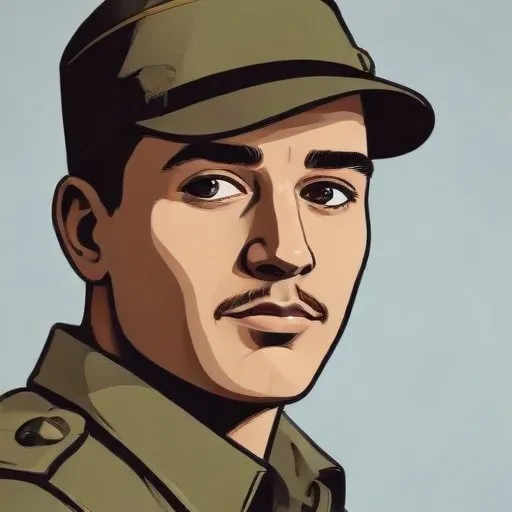
Albert Facey: The Australian Writer and War Veteran Behind the Timeless Autobiography
A Life of Resilience and Triumph
Albert Facey, also known as A.B. Facey, is renowned for his emotionally charged autobiography,
A Fortunate Life, which has become a classic of Australian literature. With over one million copies sold as of 2020, this heartfelt memoir has captured the hearts of readers worldwide, earning its place as a television miniseries.
Early Life and Turmoil
Born on August 31, 1894, in Maidstone, Victoria, Facey was the son of Joseph Facey and Mary Ann Facey (née Carr). Tragedy struck early when his father died of typhoid fever in 1896, leaving his mother to care for their children on the Kalgoorlie goldfields in Western Australia. Two years later, Facey's mother left for Western Australia, leaving him and his siblings in the care of their grandmother.
A Childhood of Hardship and Self-Determination
Facey began working at the tender age of eight, marking the start of a long and arduous journey. Despite never having the opportunity to attend school, he taught himself to read and write in his teens. His first job as a farm boy was marred by violence and abuse, with his employer subjecting him to beatings with a horse whip. Facey's bravery and resilience shone through as he escaped his tormentor by walking 20 kilometers through the bush, eventually finding refuge with some new settlers.
War Veteran and Literary Success
Facey's experiences as a soldier in World War I had a profound impact on his life and writing. His autobiography,
A Fortunate Life, is a testament to his ability to overcome adversity and find solace in storytelling. The book has become a beloved Australian classic, offering a unique glimpse into the country's history and the human experience.
Influence on Modern Society
Facey's work has had a lasting impact on Australian literature and society. His story has inspired countless individuals, highlighting the importance of resilience, determination, and the power of the human spirit. His legacy continues to inspire new generations of writers, artists, and individuals from all walks of life.
Legacy and Cultural Significance
As a writer, veteran, and Australian icon, Facey's life and work have left an indelible mark on the country's cultural landscape. His autobiography has been adapted into a successful television miniseries, cementing his place in the nation's collective consciousness.
Philosophical Contributions and Beliefs
Through his writing, Facey conveyed the importance of perseverance, hope, and the human capacity for growth. His life's work serves as a testament to the power of storytelling, demonstrating its ability to transcend time and touch hearts.
Personal Milestones and Key Life Events
- 1894: Born on August 31 in Maidstone, Victoria
- 1896: Father dies of typhoid fever
- 1898: Mother leaves for Western Australia, leaving Facey in the care of his grandmother
- 1902: Begins working as a farm boy at the age of eight
- 1914-1918: Serves in World War I
- 1982: Passes away on February 11
Quotes and Memorable Sayings
FACEY'S words of wisdom continue to inspire: "I had a fortunate life, and I knew it." His autobiography serves as a poignant reminder of the transformative power of storytelling and the importance of reflecting on our experiences.
Historical Context and Legacy
Facey's life and work are set against the backdrop of Australia's early 20th-century history, providing a unique insight into the country's development and growth. His autobiography has become an integral part of Australian literature, ensuring his legacy will endure for generations to come.
Awards and Honors
Facey's autobiography,
A Fortunate Life, has received widespread critical acclaim, solidifying his place as a celebrated Australian writer.
FAQ
What was Albert Faceys experience in World War I?
Albert Facey was an Australian soldier who fought in World War I, serving in the Gallipoli Campaign and later on the Western Front. His war experiences had a profound impact on his life and writing.
What is Albert Faceys most famous literary work?
Albert Facey is best known for his memoir, A Fortunate Life, which recounts his childhood, experiences in World War I, and later life as a farmer. The book is considered an Australian classic.
What was Albert Faceys life like after World War I?
After the war, Albert Facey returned to Australia and worked as a farmer, eventually settling in Western Australia. He continued to write, drawing on his experiences as a soldier and farmer.
How did Albert Faceys wartime experiences influence his writing?
Albert Faceys wartime experiences deeply influenced his writing, which often explored themes of mateship, hardship, and resilience. His writing provides a unique insight into the lives of Australian soldiers during World War I.
What impact did Albert Faceys writing have on Australian literature?
Albert Faceys writing has had a significant impact on Australian literature, offering a unique perspective on the countrys wartime experience and rural life. His work continues to be widely read and studied today.