


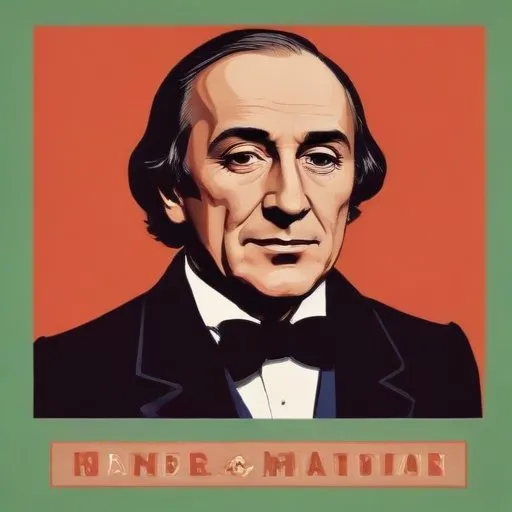
A Swiss-American expert in languages and cultures who served as the 4th US Secretary of the Treasury, shaping the country's early financial systems. He's also known for his groundbreaking work on Native American languages and cultures.
Albert Gallatin, a Genevan-American politician, diplomat, ethnologist, and linguist, is renowned for shaping the United States' financial system and foreign policy in its formative years. Often referred to as "America's Swiss Founding Father," Gallatin played a pivotal role in the early years of the republic, leaving an indelible mark on the country's development.
Born on January 29, 1761, in Geneva, Switzerland, Gallatin spoke French as his first language. Inspired by the ideals of the American Revolution, he immigrated to the United States in the 1780s, settling in western Pennsylvania.
Gallatin served as a delegate to the 1789 Pennsylvania Constitutional Convention and won election to the Pennsylvania General Assembly. In 1793, he was elected to the United States Senate, emerging as a leading Anti-Federalist and opponent of Alexander Hamilton's economic policies.
Gallatin was a prolific contributor to academia, founding New York University (NYU) in 1831 and co-founding the American Ethnological Society. NYU, originally named the University of the City of New York, was founded with the goal of providing affordable education to the working class.
Gallatin served as the longest-serving U.S. Secretary of the Treasury, holding the position from 1801 to 1813. During his tenure, he focused on reducing government spending, implementing fiscal responsibility, and promoting economic development. Gallatin's leadership played a crucial role in shaping the country's financial system, earning him recognition as one of the most influential Treasury Secretaries in U.S. history.
Gallatin's contributions to the development of the United States have had a lasting impact on modern society. His fiscal responsibility, commitment to education, and promotion of economic development continue to influence American politics and economy today.
Gallatin believed in the importance of individual liberty, limited government, and fiscal responsibility. He was a strong advocate for states' rights and opposed the Federalist Party's centralizing policies.
Gallatin's notable achievements include:
Gallatin's life and work took place during a pivotal moment in American history, as the young nation navigated its early years and shaped its identity. His contributions continue to be celebrated and studied, earning him a place among the most influential figures in American history.
Albert Gallatin's commitment to education, fiscal responsibility, and individual liberty has left an enduring legacy, shaping the United States into the powerful nation it is today.
Born in 1743
The principal author of the Declaration of Independence and a strong advocate for individual liberties and limited government, shaping America's foundational principles. He oversaw the Louisiana Purchase, doubling the country's territory.
Born in 1751
The 4th President of the United States, often referred to as the "Father of the Constitution," played a crucial role in drafting the US Constitution and Bill of Rights, shaping the country's government and laws. He was a strong advocate for individual liberties and limited government power.
Born in 1758
The 5th President of the United States was a skilled military leader and statesman who oversaw the acquisition of Florida from Spain and issued the Monroe Doctrine, a policy of opposing European colonization in the Americas. He is also known for being the last of the Founding Fathers to hold the presidency.
Born in 1755
First Secretary of the Treasury, founder of the US financial system, and key Founding Father, known for shaping the country's economic and banking infrastructure.
Born in 1777
A skilled orator and compromiser who played a crucial role in shaping the country's early development, particularly through his "American System" economic plan. He's also known for his numerous presidential bids and influential leadership in the Senate.
Born in 1767
The 6th President of the United States was a skilled diplomat and leader who played a key role in shaping America's foreign policy and expansion. He's also known for being the son of a president and a president himself, making him part of a unique American political dynasty.
79 Years Old
A Pulitzer Prize-winning composer, known for blending minimalism with complex rhythms, creating a unique sound that resonates with audiences worldwide.
Born in 1732
The first President of the United States, a military hero who led the country to independence, and set the standard for the office of the presidency. He's known for his honesty, integrity, and leadership skills.
