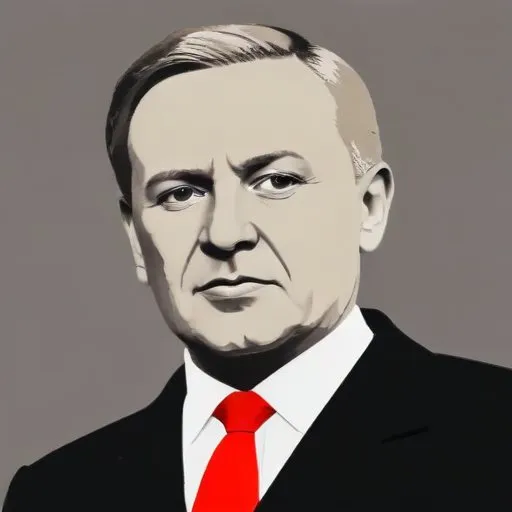
Aleksander Kwaniewski: The Architect of Modern Poland
Presidential Tenure and Key Achievements
Aleksander Kwaniewski is known for his transformative presidency of Poland from 1995 to 2005, during which he implemented policies that catapulted Poland's economy, modernized its infrastructure, and propelled the country towards European integration. His tenure was marked by the drafting of a new Polish Constitution in 1997, which secured individual rights and freedoms, and Poland's accession to NATO in 1999 and the European Union in 2004.
Early Life and Education
Born on November 15, 1954, in Białogard, Poland, Kwaniewski pursued his academic interests at the University of Gdańsk, where he studied Transport Economics and Foreign Trade from 1973 to 1977. Although he did not complete his degree, his intellectual curiosity and passion for politics drove him to become an active member of the communist student movement.
Political Career
Kwaniewski's political career began in 1977, when he joined the ruling Polish United Workers Party (PZPR). He quickly rose through the ranks, holding positions such as the chairmanship of the University Council of the Socialist Union of Polish Students (SZSP) from 1976 to 1977 and the vice-chairmanship of the Gdańsk Voivodship Union from 1977 to 1979.
Rise to Prominence
After the fall of communism, Kwaniewski became a leader of the centre-left Social Democracy of the Republic of Poland, a successor to the former ruling PZPR. He co-founded the Democratic Left Alliance and, in 1995, was elected President of Poland, defeating incumbent Lech Wałęsa. He was re-elected to a second and final term as President in 2000, winning a decisive first-round victory.
Key Milestones
- 1995: Elected President of Poland, marking the beginning of his transformative tenure
- 1997: Oversaw the drafting of a new Polish Constitution
- 1999: Poland accedes to NATO
- 2000: Re-elected to a second term as President
- 2004: Poland accedes to the European Union
- 2004: Brokered a pro-democratic agreement during the Orange Revolution in Ukraine
Legacy and Impact
According to a 2020 poll conducted by Rzeczpospolita, Kwaniewski was considered the best president in post-1989 history of Poland. His presidency was marked by rapid economic growth, with Poland's GDP doubling in ten years. His commitment to European integration, democracy, and human rights earned him international recognition and respect.
Career Highlights and Major Works
Kwaniewski's presidential tenure was marked by several landmark achievements, including:
- Modernization of Poland's infrastructure and economy
- Drafting of a new Polish Constitution
- Poland's accession to NATO and the European Union
- Brokerage of a pro-democratic agreement during the Orange Revolution in Ukraine
Influence on Modern Society
Kwaniewski's presidency had a profound impact on modern Polish society, shaping the country's economic, political, and social landscape. His commitment to democracy, human rights, and European integration continues to inspire future generations of Polish leaders and citizens.
Personal Milestones and Key Life Events
Kwaniewski's personal life has been marked by several significant events, including:
- 1977: Joined the ruling Polish United Workers Party
- 1982: Became an activist in the communist student movement
- 1995: Elected President of Poland
- 2000: Re-elected to a second term as President
- 2005: Completed his second term as President
FAQ
What is Aleksander Kwaśniewskis role in modern Polish politics?
Aleksander Kwaśniewski served as the 3rd President of Poland from 1995 to 2005, playing a crucial role in Polands transition from communism to democracy. During his presidency, he oversaw Polands accession to NATO and the European Union.
What were Aleksander Kwaśniewskis achievements as President of Poland?
Aleksander Kwaśniewskis presidency was marked by significant economic growth, improved foreign relations, and increased social welfare. He also introduced constitutional reforms, strengthening the role of the presidency.
What is Aleksander Kwaśniewskis background in journalism?
Before entering politics, Aleksander Kwaśniewski worked as a journalist and editor for several Polish media outlets, including the Polish Press Agency and the newspaper Życie Warszawy.
What awards has Aleksander Kwaśniewski received?
Aleksander Kwaśniewski has received numerous awards for his contributions to Polish politics and international relations, including the Order of the White Eagle, Polands highest national honor.
What is Aleksander Kwaśniewskis current role in Polish politics?
After completing his second term as President, Aleksander Kwaśniewski has remained active in Polish politics, serving as a member of the European Parliament and chairman of the European Democratic Party.