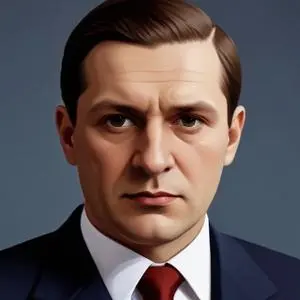
Alexander Alekhine: The Fourth World Chess Champion
The Chess Legend: A Master of Attack and Strategy
Alexander Alekhine is renowned for being the fourth World Chess Champion, a title he held for two reigns, and is widely regarded as one of the greatest chess players of all time. With his fierce and imaginative attacking style, combined with exceptional positional and endgame skill, Alekhine left an indelible mark on the world of chess.
Early Life and Career
Born on October 31, 1892, in Moscow, Russia, Alekhine exhibited exceptional chess talent from an early age. By the time he was 22, he was already among the strongest chess players in the world. In 1921, Alekhine emigrated to France, which he represented in international competitions from 1925 onwards.
Rise to Prominence
In 1927, Alekhine defeated
José Raúl Capablanca to become the fourth World Chess Champion. He successfully defended his title against Efim Bogoljubov in 1929 and 1934. Alekhine's tournament record was impressive, with wins in top-class tournaments and individual prizes in five Chess Olympiads.
Controversies and Rivalries
Alekhine's career was not without controversy. His rivalry with Capablanca was marked by disputes over rematch conditions, which led to a years-long stalemate. Alekhine's loss to Max Euwe in 1935 sparked a highly publicized rematch in 1937, which he won convincingly. However, his dominance was eventually challenged by rising stars like Paul Keres, Reuben Fine, and Mikhail Botvinnik.
Legacy and Contributions
Alekhine's impact on chess is immense. He is credited with innovations in various openings, including the Alekhine Defense, and has written extensively on chess theory. Alekhine's endgame studies are still studied by chess enthusiasts today. His legacy extends beyond the chessboard, with his philosophical contributions and beliefs influencing generations of chess players.
Personal Life and Milestones
Alekhine's personal life was marked by turmoil, including a tumultuous marriage and allegations of collaboration with the Nazis during World War II. Despite these challenges, he continued to play competitive chess, eventually relocating to Portugal, where he died under unclear circumstances in 1946.
Trivia and Fun Facts
- Alekhine was the only World Chess Champion to die while still holding the title.
- He was a prolific writer, penning multiple books on chess theory and strategy.
- Alekhine was known for his exceptional memory, able to recall entire games move-by-move.
Quotes and Memorable Sayings
"I have had to work hard to acquire the ability to play chess. I have had to learn by experience, and I have had to study ceaselessly to improve my game." - Alexander Alekhine
Historical Context and Legacy
Alekhine's legacy extends beyond his impressive chess career. He played a significant role in popularizing chess, inspiring generations of players, and shaping the game's evolution. As a testament to his enduring influence, the Alekhine Memorial Tournament is held annually in his honor.
Career Highlights and Major Works
- Won the World Chess Championship in 1927 and 1937.
- Authored multiple books on chess theory, including "My Best Games of Chess 1908-1923" and "The World's Chess Championship, 1937."
- Held individual prizes in five Chess Olympiads.
Influence on Modern Society
Alekhine's impact on modern society is profound. He inspired generations of chess players, popularized the game globally, and contributed to its growth as a competitive sport. His legacy continues to shape the world of chess, ensuring his place as one of the greatest chess players of all time.
FAQ
What were Alexander Alekhines chess achievements?
Alexander Alekhine was a world chess champion from 1927 to 1946, and is widely considered one of the greatest chess players of all time.
What was Alexander Alekhines playing style?
Alexander Alekhines playing style was characterized by its attacking flair and deep strategic understanding, which earned him the nickname The Chess Machine.
What was Alexander Alekhines relationship with other chess players?
Alexander Alekhine had a complex and often contentious relationship with other chess players, including his rival José Capablanca.
How did Alexander Alekhines writing impact the development of chess?
Alexander Alekhines writing on chess, including his annotations of famous games, helped to popularize the game and raise its profile around the world.
What is Alexander Alekhines legacy in chess?
Alexander Alekhines legacy in chess is that of a dominant world champion and a deep thinker who helped to shape the game into what it is today.