


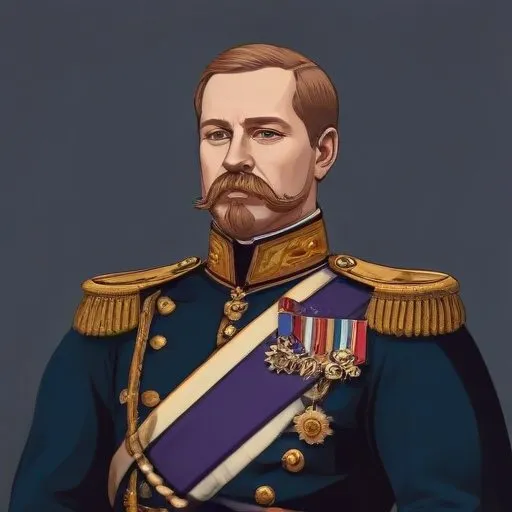
King of Scotland from 1214 to 1249, known for re-establishing Scottish independence and expanding the kingdom's borders through military campaigns and strategic marriages.
Alexander II, the King of Alba (Scotland) from 1214 to 1249, is renowned for concluding the Treaty of York in 1237, which demarcated the boundary between England and Scotland, a border that remains largely unchanged to this day. He is also celebrated for his judicious leadership, which brought stability and prosperity to Scotland during his 35-year reign.
Alexander II was born on August 24, 1198, at Haddington, East Lothian, to King William the Lion and Ermengarde de Beaumont. As a child, he was forced to spend time in England under the terms of the Treaty of Falaise, where he was knighted by King John of England at Clerkenwell Priory in 1213. Upon his father's death in 1214, Alexander succeeded to the throne at the tender age of 16 and was crowned at Scone on December 6, 1214.
In 1215, Alexander quashed a rebellion by the clans Meic Uilleim and MacHeths, inveterate enemies of the Scottish crown. Later that year, he joined forces with English barons to challenge King John of England's rule, leading an army into England in support of their cause. Although this venture ended in failure, it marked the beginning of Alexander's efforts to assert Scotland's independence.
Alexander's diplomacy skills were instrumental in forging peace with England through the Treaty of Kingston in 1217, which recognized the sovereignty of Henry III, John's successor. The Treaty of York, signed in 1237, cemented the border between England and Scotland, establishing the River Tweed as the dividing line.
Alexander II married twice, first to Joan of England, daughter of King John, and then to Marie de Coucy, with whom he had a son, Alexander III. He died on July 6, 1249, at the age of 50, leaving behind a legacy of stability and strength that paved the way for Scotland's future prosperity.
Alexander II's Treaty of York has had a lasting impact on modern society, shaping the course of Scottish history and identity. The treaty's demarcation of the border has influenced the development of Scotland's politics, economy, and culture, making it an enduring testament to Alexander's vision and leadership.
Alexander II's remarkable achievements have left an indelible mark on Scottish history, making him one of the most revered and celebrated monarchs of the medieval period.
Born in 1198
King of Scotland from 1214 to 1249, known for re-establishing Scottish independence and expanding the kingdom's borders through military campaigns and strategic marriages.
Born in 1324
King of Scotland from 1329 to 1371, known for his role in the Second War of Scottish Independence and his attempts to strengthen the Scottish monarchy.
Born in 1133
King of England from 1154 to 1189, known for establishing a strong centralized government, reforming the English church, and his tumultuous relationships with Thomas Becket and his sons.
Born in 1274
Led Scotland during the First War of Scottish Independence, ultimately securing a decisive victory at the Battle of Bannockburn and earning recognition as the country's rightful king. He's celebrated for his bravery, strategic thinking, and unwavering commitment to Scottish freedom.
Born in 1284
The king whose disastrous reign led to his eventual deposition and mysterious death, remembered for his alleged homosexual relationships and power struggles with nobles.
