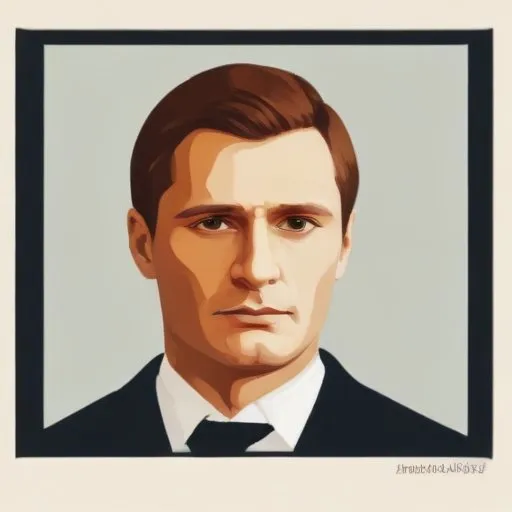
Alexander Petrov: The Father of Russian Chess
A Pioneer of the Game
Alexander Petrov is renowned as the first great Russian chess master, a title he earned through his exceptional skills, innovative approach, and contributions to the game. Born on February 12, 1794, in Biserovo, near Pskov, Russia, Petrov was destined to leave an indelible mark on the world of chess.
A Chess Prodigy
Petrov's remarkable talent was evident from a young age. At just 15, he defeated Kopev, one of St. Petersburg's leading chess players, becoming the best Russian player of his time. This triumph marked the beginning of a dominance that would last for over half a century.
A Writer and Analyst
Petrov was not only a skilled player but also a prolific writer and analyst. He authored the first chess handbook in Russian, "Shakhmatnaya igra...", published in St. Petersburg in 1824. This groundbreaking work showcased his deep understanding of the game and introduced new strategies to the Russian chess community.
The Petrov Defense
One of Petrov's most significant contributions to chess is the opening that bears his name – the Petrov Defense or Russian Game (C42). Developed in collaboration with Carl Jaenisch, this opening has become a staple of chess theory, still studied and employed by players today.
A Career of Triumphs
Petrov's impressive career is marked by numerous victories against top players of his time. He won matches against renowned opponents, including:
- D.A. Baranov (42 games) in 1809
- Carl Jaenisch (21 games) in 1844
- Prince Sergey Semenovich Urusov (31 games) in 1853 and 13.5-7.5 in 1859
- Ilya Shumov (42 games) in 1862
A Life of Travel and Chess
Petrov's love for chess took him to various cities, including Warsaw, where he lived from 1840, and later, Vienna and Paris, during the January Uprising of 1863-1864. His travels allowed him to engage with other chess enthusiasts, exchanging ideas and strategies that further enriched the game.
A Legacy of Innovation
Petrov's innovative approach to chess, coupled with his courage to challenge established theories, earned him a reputation as an original thinker. His fearlessness in disagreeing with the dominant ideas of his time, exemplified by his critique of Philidor's theories, demonstrates his commitment to the evolution of the game.
The Retreat of Napoleon I from Moscow
One of Petrov's most celebrated problems, "The Retreat of Napoleon I from Moscow," is a testament to his creative genius. This problem, published in St. Petersburg in 1824, is a masterpiece of chess composition, showcasing Petrov's exceptional skill in crafting complex and intriguing positions.
A Lasting Impact
Alexander Petrov's remarkable life and achievements have left an indelible mark on the world of chess. His legacy continues to inspire generations of players, writers, and analysts, solidifying his position as one of the most important figures in the history of the game.
In Memoriam
Petrov passed away on April 22, 1867, in Warsaw, and was buried in the Orthodox Cemetery in Warsaw. His contributions to chess remain a lasting tribute to his memory, ensuring that his name will forever be synonymous with excellence and innovation in the world of chess.
FAQ
What is Alexander Petrovs most notable achievement in chess?
Alexander Petrov is a Russian chess player and composer, best known for being the Soviet Chess Champion in 1949. He also won the Moscow Championship three times and was a prominent figure in the development of Russian chess.
What is the significance of Alexander Petrovs chess compositions?
Alexander Petrovs chess compositions are highly regarded for their creativity and complexity. He composed over 150 problems and studies, many of which have been published in leading chess magazines and books.
How did Alexander Petrov contribute to Russian chess literature?
Alexander Petrov was a prolific writer and editor, contributing to several Russian chess publications. He edited the Russian Chess Yearbook and wrote books on chess strategy and tactics.
What is Alexander Petrovs legacy in the chess world?
Alexander Petrovs legacy in the chess world is that of a master composer and player. He is remembered for his innovative and artistic approach to chess, and his compositions continue to inspire and challenge players today.
What is the style of Alexander Petrovs chess compositions?
Alexander Petrovs chess compositions are known for their originality and complexity. He often used unconventional themes and motifs, resulting in unique and challenging problems and studies.