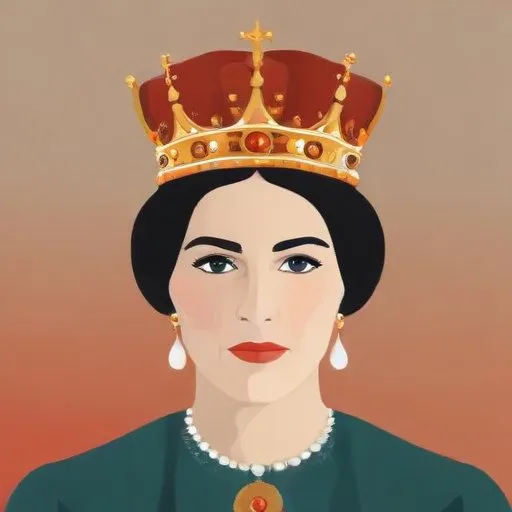
Alexandra of Yugoslavia: A Life of Royalty, Love, and Exile
The Last Queen of Yugoslavia
Alexandra of Yugoslavia, born Princess Alexandra of Greece and Denmark, is best known as the last queen of Yugoslavia, having married King Peter II in 1944. As the wife of the monarch, she played a significant role in the country's history, particularly during World War II and the subsequent years of exile.
Early Life and Royal Lineage
Born on March 25, 1921, Alexandra was the posthumous daughter of King
Alexander of Greece and his morganatic wife, Aspasia Manos. Initially, she was not part of the Greek royal family, but a law passed in July 1922 retroactively recognized marriages of members of the royal family, granting her the style and name of Her Royal Highness Princess Alexandra of Greece and Denmark.
A Life of Exile and Separation
After the defeat of Greece by Turkey in Anatolia, Alexandra's family faced a series of exiles. In 1924, the royal family was deposed and exiled, with Alexandra and her mother, Aspasia, finding refuge in Italy with Dowager Queen Sophia. Alexandra later moved to the United Kingdom to continue her studies, but her mother settled in Venice. The princess fell ill, forcing Aspasia to remove her from boarding school, and the two were eventually reunited.
Meeting the King and War-Time Romance
During World War II, Alexandra met King
Peter II of Yugoslavia in London, where they both lived in exile. The young king, also forced to flee his country after the German invasion, fell deeply in love with Alexandra. Despite opposition from both Peters's mother, Maria, and the Yugoslav government in exile, the couple persevered and eventually married in 1944.
A Queen in Exile
The newlyweds faced the harsh realities of war and exile, living in London and later in the United States. Alexandra became a symbol of hope and resilience for the Yugoslav people, working tirelessly to promote the country's interests and support her husband's efforts to reclaim the throne.
Personal Life and Milestones
- On July 20, 1945, Alexandra gave birth to her only son, Crown Prince Alexander, in Claridge's Hotel, London.
- In 1953, King Peter II and Alexandra settled in France, where they lived a quiet life.
- Alexandra died on January 30, 1993, in East Sussex, England.
Legacy and Impact
Alexandra's life was marked by a deep sense of duty, loyalty, and love. As the last queen of Yugoslavia, she played a significant role in promoting the country's interests during wartime and in exile. Her marriage to King Peter II and her commitment to her son, Crown Prince Alexander, solidified her place in Yugoslavian history.
Influence on Modern Society
Alexandra's story serves as a testament to the enduring power of love and resilience in the face of adversity. Her experiences as a queen in exile and her unwavering dedication to her family and country continue to inspire generations.
Quotes and Memorable Sayings
"In the darkest of times, hope and love can conquer all."
This quote, often attributed to Alexandra, reflects her unwavering optimism and strength in the face of adversity.
Historical Context and Legacy
Alexandra's life is a testament to the tumultuous history of Yugoslavia and the royal families of Europe during World War II. Her story serves as a poignant reminder of the sacrifices made by those who lived through one of the most significant conflicts in human history.
FAQ
What was Alexandra of Yugoslavias early life like?
Alexandra of Yugoslavia was born in 1921 to King Alexander I of Greece and Aspasia Manos. She was raised in Greece and later moved to Yugoslavia, where she married King Peter II in 1944.
What was Alexandra of Yugoslavias role in World War II?
During World War II, Alexandra of Yugoslavia played a symbolic role as the Queen of Yugoslavia in exile. She and her husband, King Peter II, lived in London and worked to promote the Yugoslav government-in-exile.
What was Alexandra of Yugoslavias relationship like with her husband?
Alexandra of Yugoslavias marriage to King Peter II was marked by disagreements and tensions. The couple eventually divorced in 1953, citing irreconcilable differences.
What did Alexandra of Yugoslavia do after her divorce?
After her divorce, Alexandra of Yugoslavia lived a quiet life in Greece and later in the United States. She rarely spoke publicly and focused on her personal life and interests.
What is Alexandra of Yugoslavias legacy in Yugoslavian history?
Alexandra of Yugoslavias legacy in Yugoslavian history is that of a queen who played a symbolic role during a tumultuous period in the countrys history. Despite the challenges she faced, she remained dedicated to the Yugoslav monarchy and its people.