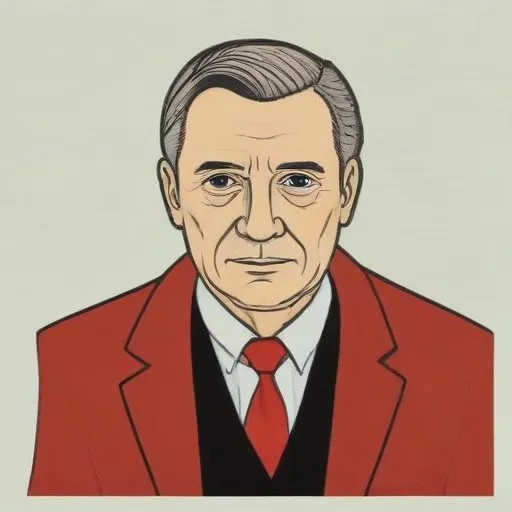
Algis Budrys: The Visionary Science Fiction Author and Editor
A Legacy of Speculative Fiction and Critical Acclaim
Algis Budrys was a Lithuanian-American science fiction author, editor, and critic, renowned for his thought-provoking novels and short stories that explored the complexities of human identity, survival, and legacy. With a career spanning over five decades, Budrys left an indelible mark on the science fiction community, earning him a revered place among the giants of the genre.
Early Life and Education
Born on January 9, 1931, in Königsberg, East Prussia (now Kaliningrad, Russia), Budrys was the son of Jonas Budrys, the consul general of Lithuania. In 1936, his family relocated to New York City, where his father continued to serve as a diplomat. This tumultuous period had a profound impact on Budrys, shaping his fascination with themes of identity, exile, and the human condition.
Career Highlights and Major Works
Budrys' writing career took off in the 1950s, with his first published science fiction story, "The High Purpose," appearing in
Astounding magazine in 1952. He went on to write numerous novels and short stories, often incorporating his family's experiences and Lithuanian heritage. Some of his most notable works include:
- Rogue Moon (1960), a novel that explores the intersection of human consciousness and technology
- Who? (1958), a thought-provoking exploration of identity and identity crisis
- The Falling Torch (1957), a novel that delves into the complexities of human relationships and morality
In addition to his writing, Budrys was a respected editor and critic, working with prominent science fiction publishers such as Gnome Press and Galaxy Science Fiction. He was known for his incisive reviews and critiques, which helped shape the genre and inspire new generations of writers.
Budrys' fiction often grappled with fundamental questions about human existence, identity, and the nature of reality. Through his work, he explored the consequences of technological advancements, the implications of artificial intelligence, and the human condition in the face of uncertainty.
Throughout his life, Budrys drew inspiration from his family's experiences and cultural heritage. He was educated at the University of Miami and Columbia University, and later taught himself English by reading Robinson Crusoe. His early fascination with science fiction was sparked by H.G. Wells' The Time Machine, and he went on to become a prominent figure in the science fiction community.
Budrys' contributions to science fiction have had a lasting impact on modern society. His exploration of themes such as identity, technology, and human relationships has influenced generations of writers, scientists, and philosophers. His work continues to inspire new waves of science fiction writers, ensuring his legacy as a visionary and a master of the genre.
Budrys received numerous awards and honors for his contributions to science fiction, including the Hugo Award, the Nebula Award, and the World Fantasy Award. He was also a member of the Science Fiction and Fantasy Hall of Fame.
Algis Budrys' passing on June 9, 2008, marked the end of an era in science fiction. However, his work continues to inspire, provoke, and challenge readers and writers alike. As a testament to his enduring legacy, Budrys' fiction remains a vital part of the science fiction canon, ensuring his place among the giants of the genre.
FAQ
What is Algis Budrys contribution to science fiction?
Algis Budrys was a prominent Lithuanian-American author and critic who made significant contributions to science fiction. His novels, such as Who? and Rogue Moon, explored complex themes of identity, morality, and technological advancement.
What are some of Algis Budrys most notable science fiction novels?
Algis Budrys notable science fiction works include Who?, Rogue Moon, The Falling Torch, and Michaelmas. These novels showcase his unique blend of philosophical inquiry, psychological insight, and futuristic speculation.
How did Algis Budrys work reflect the Cold War era?
Algis Budrys writing often reflected the anxieties, fears, and complexities of the Cold War era. His works explored themes of paranoia, mistrust, and the impact of technological advancements on human relationships.
What awards did Algis Budrys win for his writing?
Algis Budrys received several awards for his literary achievements, including the Hugo Award for Best Novel for Rogue Moon and the Nebula Award for Best Novel for Michaelmas.
How did Algis Budrys work influence the science fiction genre?
Algis Budrys innovative and thought-provoking works had a significant impact on the science fiction genre, influencing writers such as Ursula K. Le Guin, Samuel R. Delany, and William Gibson. His legacy continues to shape the genre today.