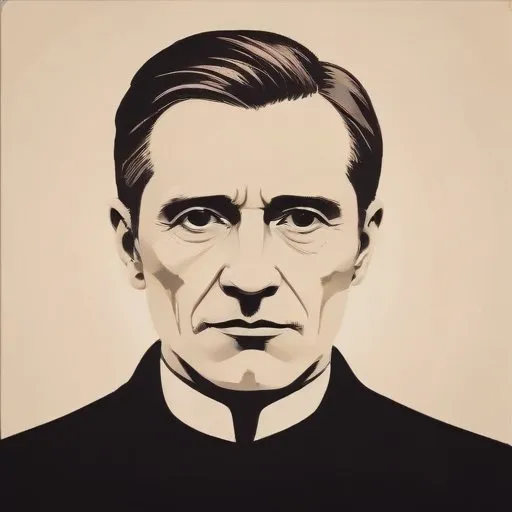
Alo Mattiisen: The Melodic Voice of Estonia's Singing Revolution
A Legacy of Patriotism and Music
Alo Mattiisen, a celebrated Estonian musician and composer, left an indelible mark on the country's cultural landscape with his iconic patriotic songs, which powered the Singing Revolution of the late 1980s. Mattiisen's most renowned composition, "No land is alone," penned in collaboration with poet Jüri Leesment, remains an anthem of Estonian identity and national pride.
Early Life and Educational Pursuits
Born on April 22, 1961, in Jõgeva, Estonia, Alo Mattiisen grew up in a family with a rich cultural heritage. His father, Evald Mattiesen, played a significant role in nurturing his passion for music from a young age. Mattiisen's academic pursuits took him to the Tallinn State Conservatory, where he graduated as a specialist in pedagogy of music in 1984 and later in composition in 1988.
Creative Odyssey and the Birth of a Legend
In 1983, Mattiisen joined the esteemed ensemble In Spe, replacing
Erkki-Sven Tüür, and made his debut performance in January 1984. This marked the beginning of his remarkable creative journey, which would go on to shape the nation's cultural consciousness. His patriotic compositions, including the Five Patriotic Songs series, resonated deeply with the Estonian people, inspiring a sense of national unity and solidarity.
Awards and Accolades
Mattiisen's contributions to Estonian music were widely recognized, earning him the prestigious Yearly Culture Award of Music of Estonian SSR in 1988 and 1989. Posthumously, he was awarded the Culture Award of the Republic of Estonia in 1996, a testament to his enduring legacy.
Personal Life and Legacy
Alo Mattiisen's personal life was marked by significant relationships and milestones. He was married to actress Rita Rätsepp and had a daughter, Anna-Mariita Mattiisen, before the couple eventually divorced. At the time of his passing, he was in a relationship with Katri Varbola. Tragically, Mattiisen's life was cut short when he suffered a heart attack on May 30, 1996, at the age of 35.
A Lasting Impact on Estonian Culture
Alo Mattiisen's music continues to inspire generations of Estonians, serving as a poignant reminder of the country's struggle for independence and self-determination. His legacy extends beyond the realm of music, symbolizing the power of artistic expression to mobilize and unite people in the pursuit of freedom and national identity.
FAQ
What is Alo Mattiisen known for in Estonian music?
Alo Mattiisen is known for his contributions to Estonian music as a composer, particularly in the genre of choral music. His music is characterized by its lyricism, depth, and sense of national identity.
What kind of music does Alo Mattiisen compose?
Alo Mattiisen composes a wide range of music, including choral music, orchestral works, and chamber music. His music is often inspired by Estonian folk traditions and is characterized by its use of rich harmonies and melodies.
Has Alo Mattiisen won any awards for his music?
Yes, Alo Mattiisen has won several awards for his music, including the Estonian National Culture Award and the Prize of the Estonian Composers Union. His music has been performed and recorded by numerous ensembles and orchestras.
What is Alo Mattiisens style of composition like?
Alo Mattiisens compositional style is characterized by its lyricism, expressiveness, and sense of national identity. His music often explores themes of nature, love, and the human condition, and is marked by its use of rich harmonies and melodies.
Has Alo Mattiisens music been performed internationally?
Yes, Alo Mattiisens music has been performed and recorded by numerous ensembles and orchestras around the world, including in Europe, North America, and Asia. His music has been praised for its beauty, depth, and emotional power.