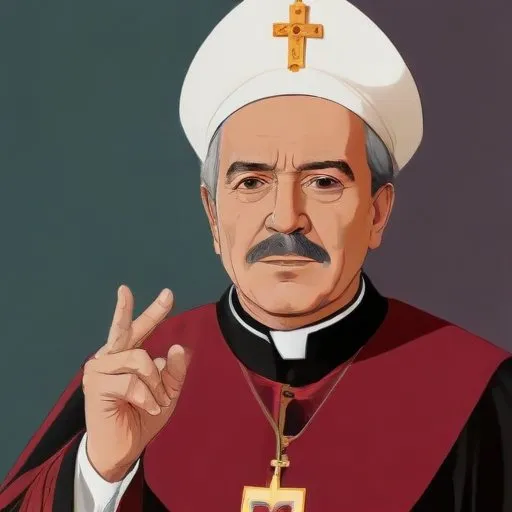
Alonso Nez de Haro y Peralta: The Visionary Archbishop of Mexico
A Legacy of Education and Reform
Alonso Nez de Haro y Peralta is remembered as a champion of education and reform, who left an indelible mark on the cultural and religious landscape of 18th century Mexico. As the Archbishop of Mexico from 1772 to 1800, he implemented a series of innovative initiatives that transformed the country's educational institutions, healthcare systems, and social welfare programs.
Early Life and Education
Born on October 31, 1729, in the diocese of Cuenca, Spain, Nez de Haro y Peralta was a product of a rigorous educational system. He studied at the University of Toledo, later earning a doctorate from the University of Bologna. His academic excellence and linguistic proficiency in Latin, Greek, Hebrew, French, and Italian earned him a professorship at the University of Valladolid.
Rise to Prominence
In 1771, Nez de Haro y Peralta's academic credentials and reputation as a scholar earned him the prestigious appointment as Archbishop of Mexico. This position granted him the authority to implement far-reaching reforms in the country's educational and healthcare systems.
Reforms and Initiatives
As Archbishop, Nez de Haro y Peralta embarked on a mission to revamp the country's educational infrastructure. He converted the Jesuit colegio of Tepotzotlán into the Seminario de Instrucción, Retiro Voluntario y Corrección, a pioneering institution that combined instruction, retirement, and correctional facilities for priests. This novel approach empowered the clergy to engage in studies relevant to Mexico, including Mexican history, Otomi language, and Church history.
- The Archbishop also established a foundling home and a Capuchin convent, underscoring his commitment to social welfare and women's empowerment.
- He enlarged the library of the archdiocese, adding numerous books and sponsoring scholarships and prizes for outstanding seminary students.
Healthcare Reforms
Nez de Haro y Peralta's vision for a healthier Mexico led him to establish the Hospital San Andrés in 1770. Modeled after the General Hospital in Madrid, this institution aimed to provide comprehensive medical care to the population. In 1788, he expanded the hospital's services to include the treatment of syphilis, a bold move that demonstrated his commitment to tackling social taboos.
Legacy and Impact
Alonso Nez de Haro y Peralta's remarkable legacy extends beyond his numerous achievements as Archbishop of Mexico. He embodied the spirit of reform and innovation, inspiring future generations of scholars, clergy, and social reformers. His efforts to promote education, healthcare, and social welfare continue to shape the cultural identity of Mexico, making him an enduring figure in the country's history.
A Lasting Testament
As we reflect on the life and times of Alonso Nez de Haro y Peralta, we are reminded of the transformative power of vision, perseverance, and dedication. His remarkable story serves as a testament to the impact one individual can have on the world, leaving behind a legacy that continues to inspire and educate future generations.
FAQ
Who was Alonso Núñez de Haro y Peralta?
Alonso Núñez de Haro y Peralta was a Spanish cleric, Archbishop of Mexico, and Viceroy of New Spain from 1760 to 1764.
What were Alonso Núñez de Haro y Peraltas reforms as Viceroy?
Peralta implemented several reforms, including the creation of a new taxation system, the establishment of a mint, and the promotion of education and the arts.
How did Alonso Núñez de Haro y Peralta support the Catholic Church in New Spain?
Peralta was a strong supporter of the Catholic Church and worked to promote its influence in New Spain. He also supported the Jesuit Order and its mission in the region.
What was Alonso Núñez de Haro y Peraltas legacy in Mexican history?
Peraltas legacy is as a reformer and a promoter of education and the arts in New Spain. He is remembered as one of the most important Viceroys in Mexican history.
How did Alonso Núñez de Haro y Peraltas policies affect the indigenous population?
Peraltas policies had a significant impact on the indigenous population, including the forced conversion to Christianity and the imposition of Spanish rule.