


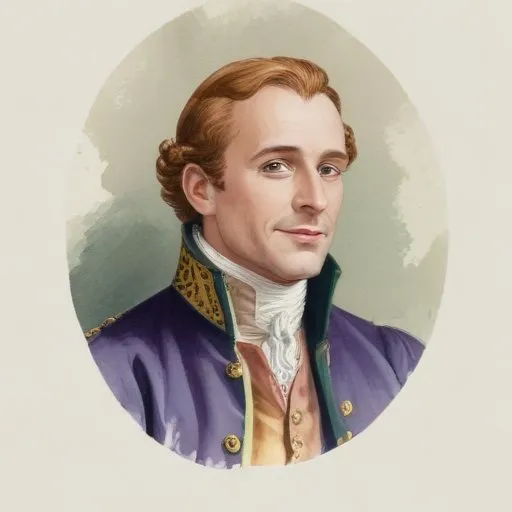
Son of King Edward I of England, he was a short-lived heir apparent who died in childhood, leaving his younger brother Edward to inherit the throne. His brief life had significant consequences for the English monarchy.
Alphonso, also known as Alphonsus and Alphonse, was the heir apparent to the English throne who tragically never got the chance to wear the crown. Born on November 24, 1273, to King Edward I of England and his Castilian wife Eleanor, Alphonso was styled Earl of Chester, a title that would remain unfulfilled.
Alphonso was the ninth child of King Edward I and Queen Eleanor, and his birth in Bayonne, Gascony, marked a significant gesture of friendship between the King of England and the King of Castile, Alphonso X. The latter even travelled to Gascony to serve as godfather at the young prince's baptism, a rare honor bestowed upon a foreign monarch. Alphonso's upbringing was marked by his parents' frequent travels, which led to him having his own household. Despite this, Queen Eleanor took great interest in her son's education, even employing a Spanish cook to cater to his culinary needs.
At the tender age of ten, Alphonso was betrothed to Margaret, daughter of Floris V, Count of Holland. An opulent psalter was prepared for the marriage, but fate had other plans. Alphonso fell ill and passed away a few months before the wedding, leaving his parents devastated. The king and queen's grief was palpable, although it's worth noting that they ordered more masses in memory of the king's nephew, Henry of Brittany, who died a month later, than in memory of their own son.
The Alphonso Psalter, now housed in the British Library, was completed a decade later when Alphonso's sister Elizabeth married Margaret's brother, John I, Count of Holland. This psalter serves as a testament to the boy's short but significant life. Alphonso's death at Windsor Castle occurred shortly after the birth of his younger brother Edward, who would go on to become the oldest surviving male heir of Edward I. Alphonso was laid to rest in The Confessors' Chapel at Westminster Abbey, a fitting tribute to his royal lineage.
Alphonso, Earl of Chester, may not have fulfilled his destiny as king, but his life remains an intriguing footnote in English history. His story serves as a poignant reminder of the fragility of life and the unpredictability of fate, even for those born into royalty.
Born in 1284
The king whose disastrous reign led to his eventual deposition and mysterious death, remembered for his alleged homosexual relationships and power struggles with nobles.
Born in 1133
King of England from 1154 to 1189, known for establishing a strong centralized government, reforming the English church, and his tumultuous relationships with Thomas Becket and his sons.
Born in 1340
A powerful and wealthy medieval English nobleman, known for his immense influence on English politics and his role in the Hundred Years' War. He was also a patron of the arts and a founder of Trinity College, Cambridge.
Born in 1367
The last king of the House of Plantagenet, deposed in a coup, known for his extravagance and tyranny, leading to his downfall and the rise of the Lancastrian dynasty.
Born in 1133
King of England from 1154 to 1189, known for establishing a strong centralized government, reforming the English church, and his tumultuous relationships with Thomas Becket and his sons.
Born in 1386
Led a victorious English army in the Battle of Agincourt, a major English victory in the Hundred Years' War, and was a popular king who strengthened the English monarchy.
