


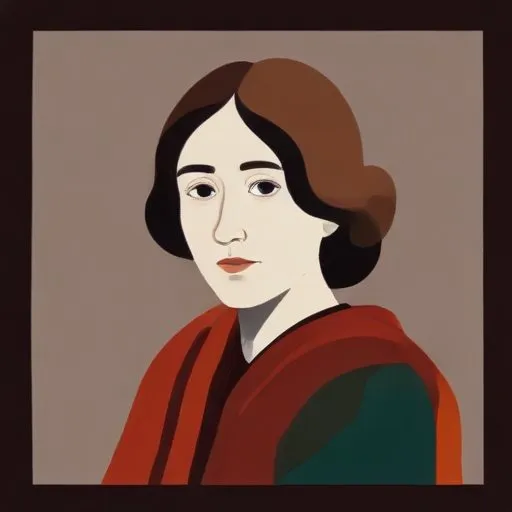
A German poet and composer, she wrote lyrical poetry and composed music, contributing to the country's cultural heritage. Her works showcased her talent for melody and language.
Amalia Catharina is renowned for being one of the first female botanists of the 18th century, making significant contributions to the field of botany during a time when women were rarely recognized for their scientific achievements. She is particularly known for her classification and illustration of plants, which earned her recognition and respect from her contemporaries.
Amalia Catharina was born in 1733 in Amsterdam, Netherlands. Little is known about her early life, but it is believed that she developed an interest in botany at a young age, likely influenced by her family's passion for natural history. Catharina received a good education, which was uncommon for women during that era, and went on to study botany and astronomy.
Catharina's most notable work is her book, Naauwkeurige beschryving der aardgewassen, which translates to "Accurate Description of Earth Plants." The book, published in 1760, is a comprehensive guide to plant classification and features intricate illustrations of various plant species. This work showcases Catharina's meticulous attention to detail and her expertise in botany.
In addition to her book, Catharina also contributed to the Hortus Cliffortianus, a botanical garden catalog created by George Clifford III. Her involvement in this project demonstrates her reputation as a respected botanist among her peers.
Catharina's work demonstrates her commitment to the scientific method and her dedication to advancing knowledge in the field of botany. Her classification system, although not widely adopted, reflects her understanding of the natural world and her passion for discovery.
Amalia Catharina's pioneering work in botany paved the way for future generations of female scientists. Her accomplishments serve as an inspiration to women who have been underrepresented in STEM fields throughout history.
Unfortunately, there is limited information available about Catharina's personal life, including her marriage and family. It is known that she lived a long life, passing away in 1804 at the age of 71.
Amalia Catharina's contributions to botany are a testament to her perseverance and dedication in a time when women were often marginalized in scientific circles. Her work, although not widely recognized during her lifetime, has become increasingly valued by modern scholars.
In conclusion, Amalia Catharina's achievements in botany serve as a reminder of the importance of recognizing and celebrating the contributions of women in STEM fields. Her pioneering spirit and groundbreaking work continue to inspire scientists and enthusiasts alike.
Born in 1759
A renowned poet and playwright who crafted influential works that explored the human condition, morality, and the struggle for freedom, leaving a lasting impact on German literature.
Born in 1749
A German literary giant who penned iconic works like "Faust" and "The Sorrows of Young Werther", shaping the Romantic movement and influencing countless writers.
Born in 1714
A pioneering opera composer who revolutionized the art form with his innovative and expressive works, blending music and drama in a way that captivated audiences.
Born in 1714
A renowned 18th-century musician, he was a prolific composer and virtuosic performer, known for his expressive and innovative keyboard music that bridged the Baroque and Classical styles. His compositions, particularly for harpsichord and piano, showcased his mastery of counterpoint and harmony.
Born in 1685
A renowned Baroque composer and organist, famous for creating majestic orchestral suites, operas, and oratorios, including the iconic "Messiah" masterpiece.
Born in 1685
A master of Baroque music, he composed over 1,000 works, including orchestral suites, cantatas, and passions, that still inspire and influence musicians today. His innovative use of counterpoint and harmony raised the bar for classical music.
Born in 1809
A renowned 19th-century musician who masterfully blended classical and romantic styles, creating iconic works like the "Wedding March" and "Elijah" oratorio. His compositions continue to inspire and influence generations of artists.
Born in 1810
A renowned Romantic-era composer and influential music critic, known for his expressive and emotionally charged works, including symphonies, piano music, and art songs.
