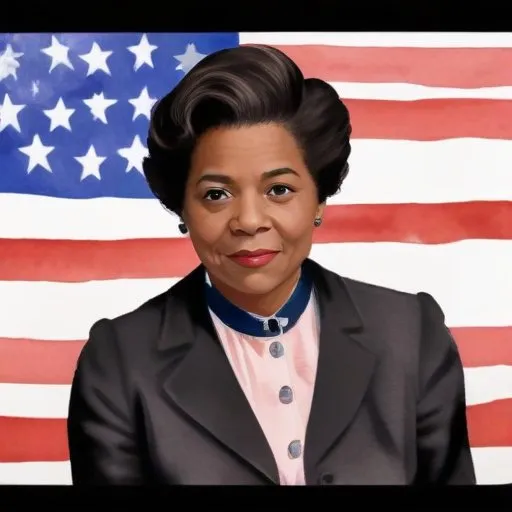
Amelia Boynton Robinson

Amelia Boynton Robinson

Amelia Boynton Robinson was born on August 18th, 1911

Full Name: Amelia Boynton Robinson
Nationality: American
Profession: Activist
Place of Birth: Savannah, Georgia, USA
Notable Work: Selma to Montgomery Marches
Civil Rights: Selma Voting Rights Movement
Active Years: 1920-2015
Awards: Congressional Gold Medal

A pioneering civil rights activist who helped organize the Selma to Montgomery marches, playing a key role in the passage of the Voting Rights Act of 1965.

Written by: Michael Rodriguez Michael Rodriguez

Amelia Boynton Robinson: The Unwavering Voice of the Civil Rights Movement

A Leader in the Fight for Equality

Amelia Boynton Robinson is renowned for her pivotal role in the American Civil Rights Movement, particularly in Selma, Alabama, where she played a key figure in the 1965 Selma to Montgomery marches. As a trailblazing activist, she courageously fought for racial equality, women's suffrage, and social justice, leaving an indelible mark on American history.

Early Life and Education

Born Amelia Isadora Platts on August 18, 1905, in Savannah, Georgia, to George and Anna Eliza (née Hicks) Platts, she was part of a family with African American, Cherokee, and German ancestry. Her parents, who valued education, encouraged her to read and supported her academic pursuits. Amelia attended Georgia State Industrial College for Colored Youth (now Savannah State University), later transferring to Tuskegee Institute (now Tuskegee University), where she earned a degree in home economics in 1927. She continued her education at Tennessee State, Virginia State, and Temple University.

Career and Civil Rights Activism

Robinson taught in Georgia before joining the U.S. Department of Agriculture (USDA) as a home demonstration agent in Selma, Alabama. In this role, she educated the rural population about food production, nutrition, and healthcare. Her work with the USDA sparked her involvement in civil rights activism, as she witnessed firsthand the injustices faced by African Americans in the rural South.

In 1936, Amelia married Samuel William Boynton, a county extension agent, and the couple had two sons, Bill Jr. and Bruce Carver Boynton. Her son Bruce was named after George Washington Carver, a renowned scholar and friend of the family.

Leading the Charge in Selma

In the early 1960s, Robinson became a key figure in the Selma Voter Registration Campaign, working closely with Dr. Martin Luther King Jr. and the Southern Christian Leadership Conference (SCLC). Her home in Selma, Alabama, served as a gathering place for civil rights activists, including Dr. King, who often sought her counsel.

The 1965 Selma to Montgomery Marches

On March 7, 1965, Robinson participated in the infamous Bloody Sunday march, where she was brutally beaten by state troopers. This event galvanized national attention and outrage, paving the way for the passage of the Voting Rights Act of 1965. Robinson also played a crucial role in the subsequent marches, including the successful 54-mile march from Selma to Montgomery.

Awards and Honors

Robinson's tireless contributions to the Civil Rights Movement earned her numerous awards and honors, including the Martin Luther King Jr. Freedom Medal in 1990. She was also a founding vice president of the Schiller Institute, an organization affiliated with Lyndon LaRouche.

Legacy and Impact

Amelia Boynton Robinson's unwavering dedication to civil rights and social justice has inspired generations of activists and leaders. Her courageous efforts helped shape the course of American history, securing fundamental rights for African Americans and women. Through her remarkable life, Robinson embodied the spirit of resilience, perseverance, and commitment to creating a more just and equitable society.

Personal Milestones and Quotes

Remembering Amelia Boynton Robinson

As we reflect on the life and legacy of Amelia Boynton Robinson, we honor her unwavering commitment to justice, equality, and human dignity. Her remarkable story serves as a testament to the power of ordinary individuals to effect extraordinary change, inspiring us to continue striving for a more just and equitable society for all.
Timeline
1911
Born in Savannah, Georgia
Amelia Boynton Robinson was born on August 18, 1911, in Savannah, Georgia, and began her education at a young age.
1930
Becomes teacher and activist
Robinson worked as a teacher and became involved in the civil rights movement, advocating for voting rights and social justice.
1960
Participates in Selma to Montgomery Marches
Robinson participated in the Selma to Montgomery Marches, led by Dr. Martin Luther King Jr., and was involved in the voting rights movement.
1970
Continues activism
Robinson continued to work for social justice and equality, serving as a leader in various organizations.
2015
Dies at Age 104
Amelia Boynton Robinson passed away on August 26, 2015, leaving behind a legacy as a pioneering civil rights activist.
Amelia Boynton Robinson

Amelia Boynton Robinson Quiz

What was Amelia Boynton Robinson's key role in the civil rights movement?

Score: 0/5
FAQ
What was Amelia Boynton Robinsons role in the Civil Rights Movement?
Amelia Boynton Robinson was an American activist who played a key role in the Civil Rights Movement, particularly in Selma, Alabama. She was a leader in the Selma to Montgomery marches and worked closely with Martin Luther King Jr.
What was Amelia Boynton Robinsons contribution to womens rights?
Amelia Boynton Robinson was a pioneering figure in the womens rights movement, advocating for womens suffrage and equal rights. She was one of the first women to run for office in Alabama.
How did Amelia Boynton Robinson impact American politics?
Amelia Boynton Robinson had a significant impact on American politics, inspiring generations of activists and politicians. She was a vocal critic of racial segregation and discrimination.
What awards did Amelia Boynton Robinson win?
Amelia Boynton Robinson won several awards for her activism, including the Martin Luther King Jr. Freedom Medal and the Congressional Gold Medal.
What is Amelia Boynton Robinsons legacy?
Amelia Boynton Robinsons legacy is that of a courageous and determined activist who fought tirelessly for civil rights and womens rights. Her contributions continue to inspire Americans today.

Related People:

Martin Luther King Jr.

97 Years Old

A prominent leader in the civil rights movement, advocating for racial equality and social justice through nonviolent means, leaving a lasting impact on American history.

Rosa Parks

Born in 1913

Refused to give up her seat on a Montgomery, Alabama bus to a white person, sparking the Montgomery Bus Boycott, a pivotal event in the Civil Rights Movement.

Fred Hampton

78 Years Old

The chairman of the Illinois chapter of the Black Panther Party, a charismatic leader who advocated for racial equality and social justice through community empowerment and political activism. He's most known for his impassioned speeches and radical approach to fighting systemic racism.

Stokely Carmichael

85 Years Old

A prominent figure in the Civil Rights Movement, advocating for Black Power and self-defense, and famously coining the term "Black Power" in 1966. Known for his radical approach to achieving racial equality.

Malcolm X

Born in 1925

A prominent figure in the Civil Rights Movement, advocating for African American rights and self-defense, and a powerful orator who inspired a generation.

John L. Lewis

Born in 1880

Led a powerful miners' union, fighting for workers' rights and fair wages, and was a key figure in shaping America's labor movement. Known for his charismatic leadership and militant tactics.

James Bevel

90 Years Old

A prominent figure in the Civil Rights Movement, he organized pivotal protests and marches, including the Selma to Montgomery Marches, to end segregation and secure voting rights. 42

Andrew Young

94 Years Old

A prominent civil rights leader and diplomat who served as a key advisor to Martin Luther King Jr. and later became the first African American to hold a top post in an American presidential administration.