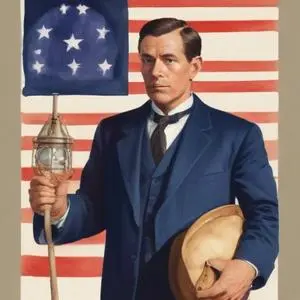
John L. Lewis: The Fierce Champion of Labor Rights
A Legacy of Unionization and Industrial Progress
John L. Lewis, a pioneer in the realm of organized labor, served as the president of the United Mine Workers of America (UMWA) from 1920 to 1960. He was the driving force behind the founding of the Congress of Industrial Organizations (CIO), which revolutionized the labor movement by unionizing millions of industrial workers during the Great Depression.
Early Life and Career Milestones
Born on February 12, 1880, in Lucas, Iowa, Lewis grew up in a farming community and developed a strong work ethic from a young age. He began his career in the mining industry at the age of 16 and quickly rose through the ranks, becoming a local union leader by 1909. In 1920, he was elected president of the UMWA, a position he held for four decades.
Founding of the CIO and Labor Reforms
In 1935, Lewis co-founded the CIO, an industrial union umbrella organization that aimed to unite workers across various industries. This bold move marked a significant shift in the labor movement, as it enabled workers to organize and bargain collectively, leading to improved wages, benefits, and working conditions. Lewis's leadership played a crucial role in securing major labor reforms, including the passage of the Fair Labor Standards Act of 1938 and the National Labor Relations Act of 1935.
Controversies and Criticisms
Lewis's uncompromising stance on labor issues often put him at odds with government officials and industry leaders. His decision to call nationwide coal strikes during World War II was widely criticized, with many accusing him of damaging the war effort. However, Lewis argued that the strikes were necessary to protect the rights and interests of coal miners.
Personal Life and Later Years
Lewis was a dedicated family man and married to Myrta Bell in 1907. The couple had three children together. In his later years, Lewis continued to advocate for labor rights, even after his retirement from the UMWA in 1960. He passed away on June 11, 1969, at the age of 89, leaving behind a legacy as one of the most influential labor leaders in American history.
Legacy and Impact
John L. Lewis's contributions to the labor movement are immeasurable. He played a pivotal role in shaping the course of industrial relations in the United States, empowering workers to organize and fight for their rights. His unwavering commitment to social justice and equality has inspired generations of labor leaders and advocates.
- Founded the Congress of Industrial Organizations (CIO) in 1935
- Secured major labor reforms, including the Fair Labor Standards Act and National Labor Relations Act
- Organized millions of industrial workers during the Great Depression
- Served as president of the United Mine Workers of America (UMWA) from 1920 to 1960
Through his tireless efforts, Lewis has left an indelible mark on American labor history, earning him the nickname "The Champion of Labor."
FAQ
What was John L. Lewiss role in the labor movement?
John L. Lewis was a prominent American labor leader, serving as the president of the United Mine Workers of America (UMWA) from 1920 to 1960 and playing a key role in the formation of the Congress of Industrial Organizations (CIO).
How did John L. Lewiss leadership impact the mining industry?
John L. Lewiss leadership had a profound impact on the mining industry, securing improved working conditions, higher wages, and better benefits for miners. He was a fierce advocate for workers rights and safety.
What was John L. Lewiss relationship with the Roosevelt administration?
John L. Lewis had a close relationship with the Roosevelt administration, working closely with President Franklin D. Roosevelt to promote labor rights and social reform. He was a key advisor on labor policy and played a key role in shaping the New Deal.
How did John L. Lewiss legacy shape the American labor movement?
John L. Lewiss legacy had a profound impact on the American labor movement, inspiring a generation of labor leaders and shaping the course of industrial relations in the United States.
What is John L. Lewiss legacy in American history?
John L. Lewiss legacy in American history is that of a champion of workers rights, a fierce advocate for social justice, and a pioneer in the American labor movement. He remains one of the most influential labor leaders in American history.